
50 Years of Bronx River Clean-Up Efforts Lead to the First Otter Sighting in a Century
Nature seems to be healing along the Bronx River in New York.
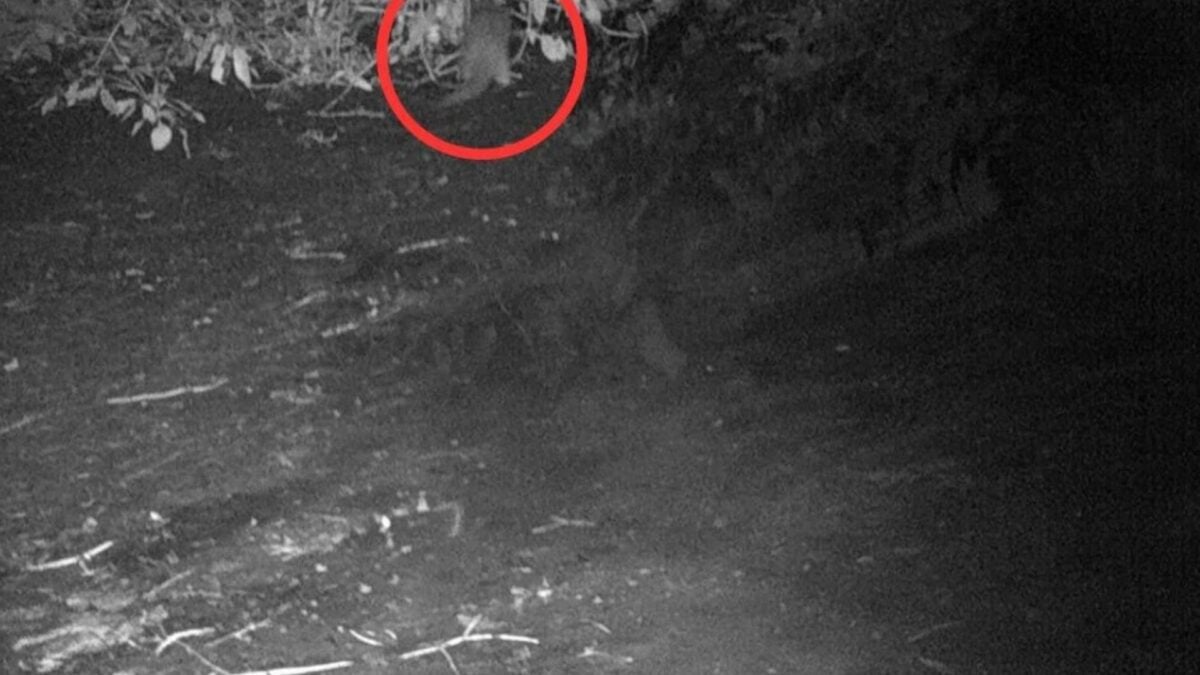
This week, the Wildlife Conservation Society (WCS) confirmed the recent appearance of an North American river otter in the Bronx section of the river—the first such sighting recorded in about a century. Though it’s not clear whether otters en masse have returned to the area, the discovery is likely another sign that decades-long efforts to clean up the river are indeed going well.
“There are moments in conservation that remind us why this work matters, and this is one of them,” said Craig Piper, director of the Bronx Zoo and interim executive vice president of Zoos & Aquarium at WSC, in a statement released by the organization Tuesday.
The otter was actually documented earlier this June by scientist R.J. Hawkins, via a motion-activated camera. Hawkins was conducting long-term camera trap monitoring for wildlife along the river overseen by the WCS’s Education Department based at the Bronx Zoo. The WSC manages four accredited zoos and one aquarium in New York City.
“When I first reviewed the images, I could hardly believe what I was seeing,” said Hawkins. “Knowing this may be the first documented river otter in the Bronx in generations was an incredible moment. It shows why long-term wildlife monitoring and environmental restoration efforts matter.”
The Bronx River extends 23 miles through southeastern New York. Like many waterways that flow into and through New York City, the river became heavily polluted during the 19th and 20th century. It was often used as an open sewer and industrial waste site, which subsequently chased away much of the natural wildlife that relied on it, otters included. Since the 1970s, however, groups like the Bronx River Alliance and Bronz Zoo have been working to restore the river to its previous state.
This otter isn’t the first former resident to make its way back to the river. Starting in 2007, a pair of beavers made their home in the area. And though these beavers have likely since passed away, camera traps last year caught footage of another beaver swimming in the river. These traps have also recently spotted other wildlife like muskrats, turtles, and many different species of birds.
This latest sighting is especially encouraging, however, because river otters are typically an indicator of a healthy freshwater system. Otters are usually near the top of the food chain, and they need plenty of aquatic prey and clean water to survive. While it’s too early to tell whether this otter and others like it are making themselves cozy in the Bronx River, there’s certainly reason to hope that things are truly changing for the better in the area, for both human residents and their wildlife neighbors.
“This otter’s return is a gift, not just to the Bronx River but to the communities that have fought for 50 years to bring this river back to life. For too long, the Bronx River was treated as a neglected afterthought, and our communities bore the burden of that neglect,” said Javier Lopez, interim executive director of the Bronx River Association. “Today, this otter reminds us that when we invest in nature, nature responds, and when communities lead, change is possible.”
Whether your budget is $10 or $1,300, we've got tech and gear recommendations that will make the new semester more productive and entertaining.
New research shows that pumas often steer deer populations away from human roads.
A new study has found that police officers, park rangers, and even a poison control center have spread misinformation about the dangers of juvenile rattlesnakes for decades.