
A Dutch floating solar farm was built for clean energy, but scientists found it also created habitat for nearly 2,000 invertebrates
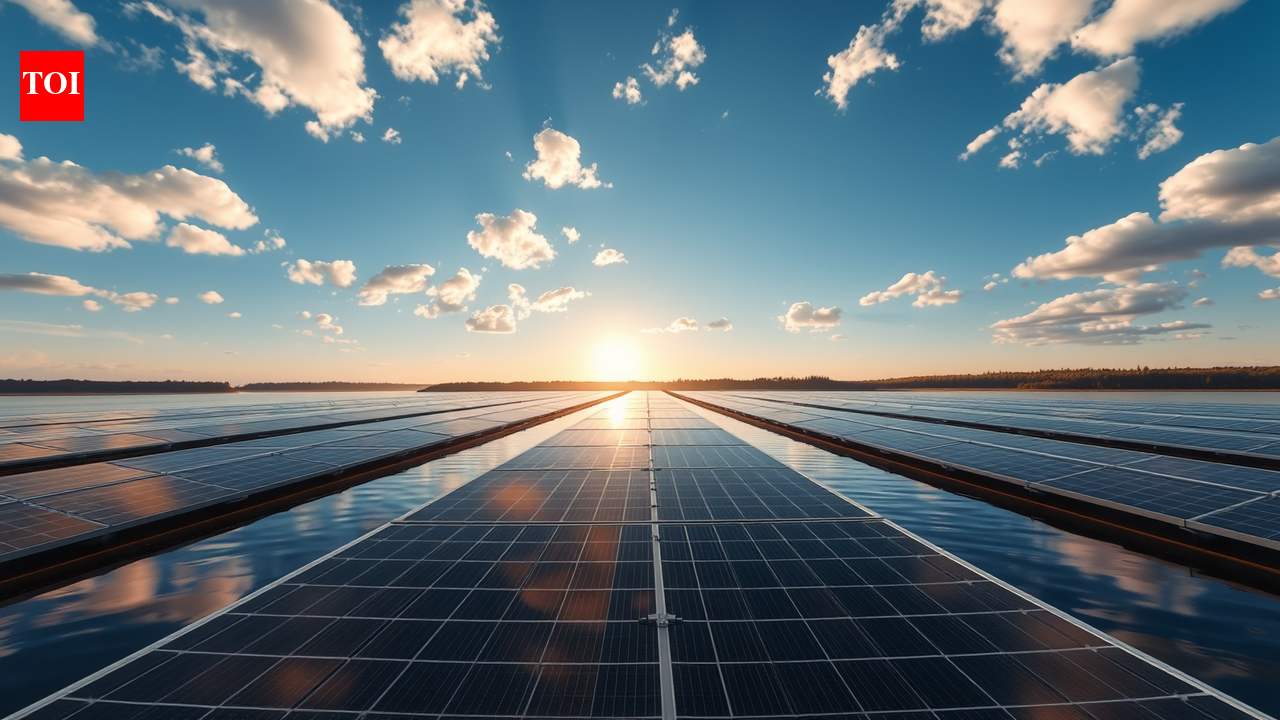
An unexpected environmental benefit has been observed as a result of the construction of a floating solar plant in the Netherlands. Although the plant was developed with a view to producing renewable electricity, it has been found that hundreds of fish and about 2,000 invertebrates have made this floating solar power station their home.This information comes from long-term ecological monitoring of the Bomhofsplas Solar Farm, a floating photovoltaic installation in Zwolle, the Netherlands.
According to a white paper published by floating solar developer GroenLeven, 20 artificial underwater habitats known as Biohuts were installed beneath the solar panels in May 2020 as part of a biodiversity project led by French ecological engineering company Ecocean.Ecocean and the ecological consultancy Bureau Bakker monitored the site over the following three years.
By 2023, the Biohuts had attracted 431 fish and 1,951 invertebrates, including young cyprinids, perch, and the invasive tubenose goby, suggesting the structures were functioning as both shelter and nursery habitat. The monitoring also found mussels, freshwater sponges and other invertebrates colonising the artificial habitats, indicating that a functioning underwater ecosystem had developed beneath the floating solar array.The findings suggest that floating solar plants may offer benefits beyond producing low-carbon electricity.Artificial habitats thrived below the panelsThe biohut is an underwater structure made from natural materials that shelters, feeds, and protects juvenile fish and smaller aquatic animals.
It seeks to simulate the natural aquatic habitats that are sometimes destroyed by human activities. According to the monitoring program at the Bomhofsplas site, the Biohut hosted more than 400 fish and about 2,000 invertebrates by the end of the research period. These included mussels, freshwater sponges, and other organisms that are key elements in aquatic food webs.It was noted that biodiversity increased over time as the artificial habitats matured.
The microorganisms and invertebrates in these habitats formed sources of food for larger species.Earlier studies have suggested possible ecological benefitsNew results come on the heels of prior scientific investigations regarding the ecological consequences of floating solar facilities.As reported in the journal Sustainability in 2021, a group of scientists studying the Bomhofsplas floating solar power station did not find any proof that the construction had a negative impact on water quality.
At the same time, the researchers found that changes in water quality beneath the floating solar farm were generally small during the monitoring period. They noted that further long-term research is needed to understand the broader ecological effects of floating solar installations.Floating solar power plants may influence various elements such as light penetration, water temperature, and oxygen concentration.
In the case of the Bomhofsplas solar farm, however, changes have been relatively insignificant. Scientists warn that ecological consequences will vary from place to place based on water depth, local flora and fauna, and the portion of the lake occupied by solar panels. Growing interest in floating solar panelsThe International Energy Agency notes that floating solar power plants could help countries generate more renewable energy from reservoirs, quarries, lakes and other artificial water bodies.
Water also cools down solar panels naturally, improving their efficiency in hot seasons.The sentence is fine grammatically, but the claim is presented too strongly without attribution to a specific study or source. It could be especially useful in areas where water is scarce due to climate change.Renewable energy versus natureAccording to scientists, the Dutch project does not mean all floating solar farms will benefit biodiversity.
Rather, it serves as an example of the fact that ecological elements can be considered in renewable energy constructions right from the start.Biohuts are one type of engineering solution that can prove helpful in compensating for habitat loss, in addition to being beneficial for native species. Ecologists believe that the incorporation of such components in future projects will allow for renewable energy infrastructure to make contributions to conservation, along with addressing the issue of carbon emissions.As renewable energy expands, balancing power generation and biodiversity remains a key challenge.
The Bomhofsplas project is one example of cooperation between engineers and ecologists.