
Advocates can now apply for judge posts after 1-year practice
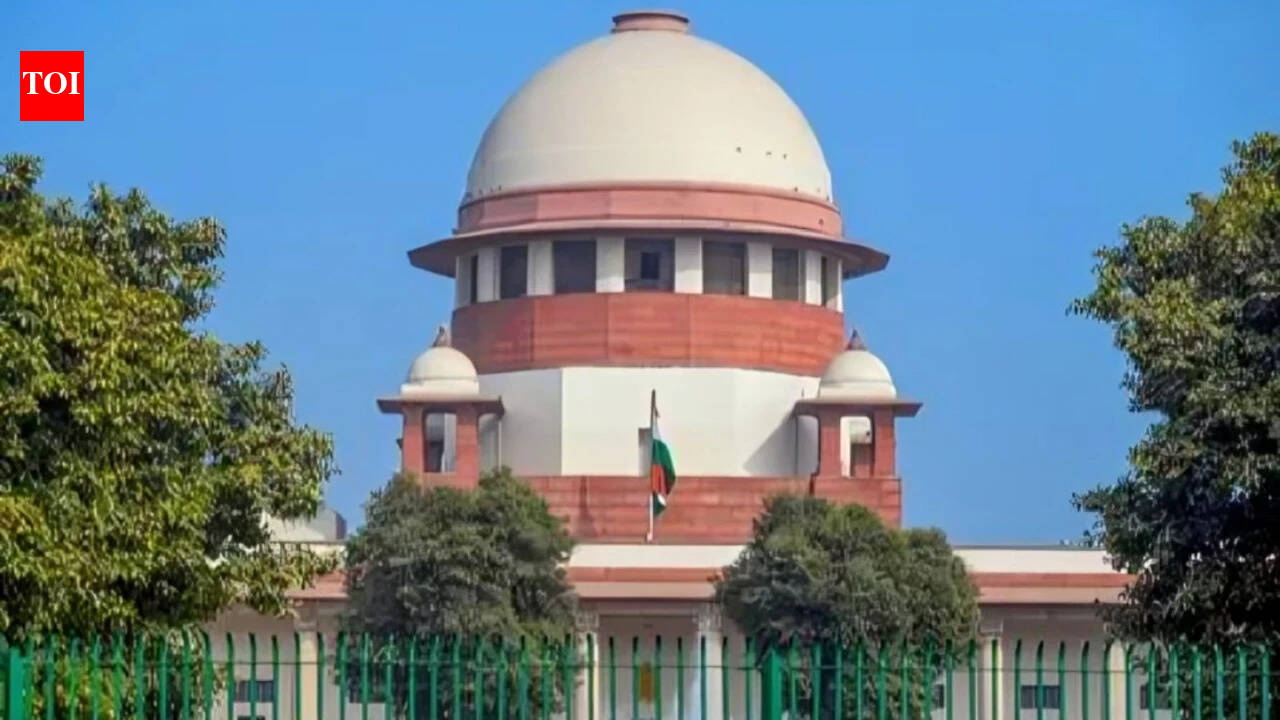
NEW DELHI: The 20-year-old method for recruiting entry-level trial court judges underwent changes twice in one year as the Supreme Court on Friday relaxed mandatory three-year practice eligibility norm for advocates to apply for judicial officer posts to one-year practice but said they can preside over courts and decide cases only after a two year on-job training.The SC in 1993 had ordered that advocates with three-year practice alone would be eligible to take the tests for posts of civil judges and magistrates.
But in 2002, the SC had reversed its decision allowing fresh law graduates to become entry level judicial officers. Significantly, the law commission in 1986 had said fresh law graduates may take the test for judicial officers, but on being successful should take two years intensive on-job training.Making a mixture out of the three-decade spanning endeavour to make judicial officers competent and capable to decide cases, a bench of Chief Justice Surya Kant and Justices A G Masih and Vinod Chandran by two to one majority, Justice Chandran dissenting, said lawyers with one year practice would be eligible to appear in the three-layered examination for judicial officer selection.As most HCs favoured retaining the three-year practice eligibility criteria on the ground that fresh law graduates with no exposure to judicial proceedings were found wanting in their behaviour in courtroom and handling of sensitive cases, SC provided a new eligibility criteria with mandatory two-year training period for every advocate who clears the recruitment process.CJI Kant and Justice Masih in the majority judgement said law graduates with one year practice can apply for the posts of judicial officers.
On getting selected, they will be designated as 'Trainee Judicial Officers" and "shall undergo a compulsory period of one year of intensive training at the State Judicial Academy concerned" and will be paid a fixed emolument equivalent to half the salary of magistrates. After one year training, the trainee judicial officers would undergo one year structured law clerkship - six months with the principal district judge and the next six months will be with a sitting HC judge, who will give a report evaluating the performance and suitability of the trainee.Get the latest India News and Live updates.
Download the TOI app.