
AI agents are reshaping corporate hierarchies, say executives
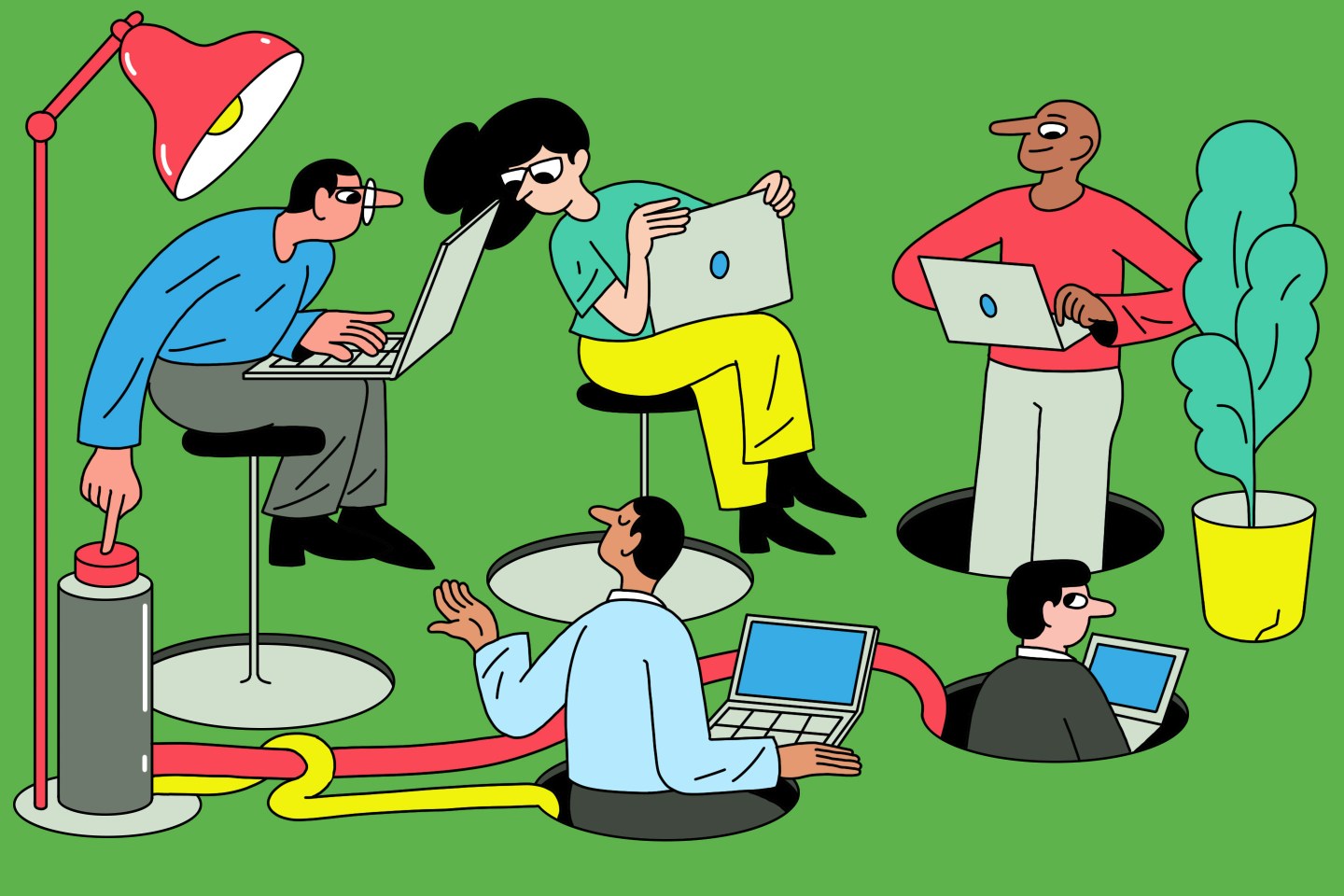
AI agents are increasingly handling workflow orchestration, task coordination, reporting and information sharing across large firms. As these systems take over duties that once justified multiple tiers of supervision, companies are re-examining the classic pyramid of middle management. A recent Korn Ferry survey of 15,000 professionals worldwide found that around 41% of employees said their organisations trimmed management layers in the past year.
High-profile restructurings at firms such as Meta, Citigroup, CrowdStrike and GitLab have added fuel to the debate about whether artificial intelligence will accelerate a broader shift toward flatter organisations.
Cloudflare chief executive Matthew Prince illustrated the change after cutting roughly 20% of the workforce while reporting record revenue. He wrote that the majority of those laid off were "measurers", a term he used for middle-management, finance, legal, internal audit and revenue-recognition roles. Prince said the company retained the "builders", mainly engineers, and kept "sellers" who he believes are less vulnerable to automation.
Consulting chief AI officer Bret Greenstein argues that the role of managers is evolving. In an AI-enabled organisation, managers will be judged on measurable business outcomes rather than simply acting as information conduits.
According to Andy Williamson, chief executive of ONLC Training, a mid-level manager can spend about a third of the week in meetings that keep teams in sync, work that software can now perform continuously and at scale.
While AI can automate routine coordination, Max Martina, president of Cambridge Leadership Associates, cautions that management layers will not disappear entirely. Instead, AI will augment decision-making, allowing leaders to focus on judgment, talent development and strategic alignment.
Research analyst Mark Vena notes that companies flattening org charts are not merely cutting costs; they are recognising that much of management has become "workflow babysitting", a role AI performs well.
Experts agree that the next challenge for remaining managers is to become effective supervisors of AI systems. This goes beyond writing prompts; it involves directing multiple agents toward the right tasks, evaluating outputs and integrating results into business decisions.
There is also a human dimension. Both Williamson and Greenstein acknowledge that fear of job loss and shifting responsibilities can affect morale. As routine work disappears, the demand for distinctly human leadership, building trust, navigating uncertainty and mentoring staff, is likely to increase.
Greenstein advises firms to avoid viewing AI solely as a cost-cutting tool. First, automate low-risk routine work, then develop collaborative systems that let people and AI solve problems together.
Looking ahead, organisations will need to address a potential talent pipeline issue. If AI takes over entry-level tasks that traditionally built expertise, fewer employees may acquire the experience required for senior leadership roles.
Martina warns that the biggest risk may not be fewer middle managers today, but a shortage of future experts a decade from now.
In the coming months, leaders who embrace AI tools such as Codex and Claude Code are expected to shape the next wave of organisational design, turning agents into allies rather than replacements.