
Alibaba is raising $10.2bn and spending all of it on AI
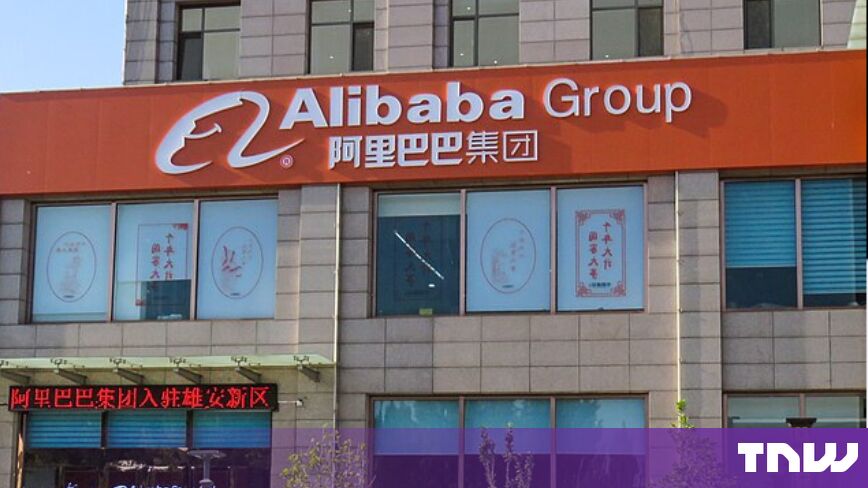
Alibaba is placing HK$80bn, about $10.2bn, of new shares in Hong Kong and says all net proceeds will go to AI infrastructure and capabilities. It comes days after the company reported a 75% fall in quarterly net profit driven by that same spending.
Alibaba is going to the market for money to spend on AI, and it is not being coy about the proportion. The company is placing HK$80bn of new shares in Hong Kong, around $10.2bn, and says 100% of net proceeds will fund its full stack AI capabilities including infrastructure.
The size is a record on two counts. Alibaba calls it the largest primary follow-on offering ever by a Hong Kong-listed company, and the biggest Regulation S equity offering on record, meaning shares sold to investors outside the United States.
Globally it lands third this year. Only Alphabet, which raised $85bn in equity, and Intel have run larger primary follow-ons in 2026.
The timing is what makes it interesting. Three days earlier Alibaba reported that quarterly net profit had fallen 75%, with capital expenditure up 75% to 67.68bn yuan in the April to June quarter.
The spending is buying growth somewhere. Cloud and AI revenue rose 45% to 48.44bn yuan, and the company says its AI model services now run above 16bn yuan in annual recurring revenue.
Chief executive Eddie Wu has been direct about the sequence. “In order to be able to capture that future growth, we first need to make these capex investments to build out the necessary compute capacity,” he said.
This tops up a commitment already half spent. Alibaba pledged 380bn yuan over three years in early 2025, reports suggest it is considering raising that to 480bn yuan, and Wu says its own chips could lift margins substantially as they scale.
Set that against Europe’s headline number. The EU has committed around €20bn to its AI gigafactory programme, so a single afternoon’s placement in Hong Kong is roughly half the continent’s flagship compute budget.
Alibaba is not a distant competitor in this. It opened two availability zones in Paris in June, its third European hub after Germany and Britain, positioning itself as a sovereign option for European customers.
Brussels is building rules that point the other way. The Cloud and AI Development Act proposed in June sets a four-tier sovereignty framework whose stricter levels require EU ownership and operational independence, which a Chinese-headquartered provider cannot easily satisfy.
So the two trends run straight at each other. Europe wants more compute and is writing rules about whose it can be, while the company raising the money is expanding here regardless.
Get the most important tech news in your inbox each week.