
Andy Burnham's increasing list of spending pledges could 'cost up to £63 BILLION'
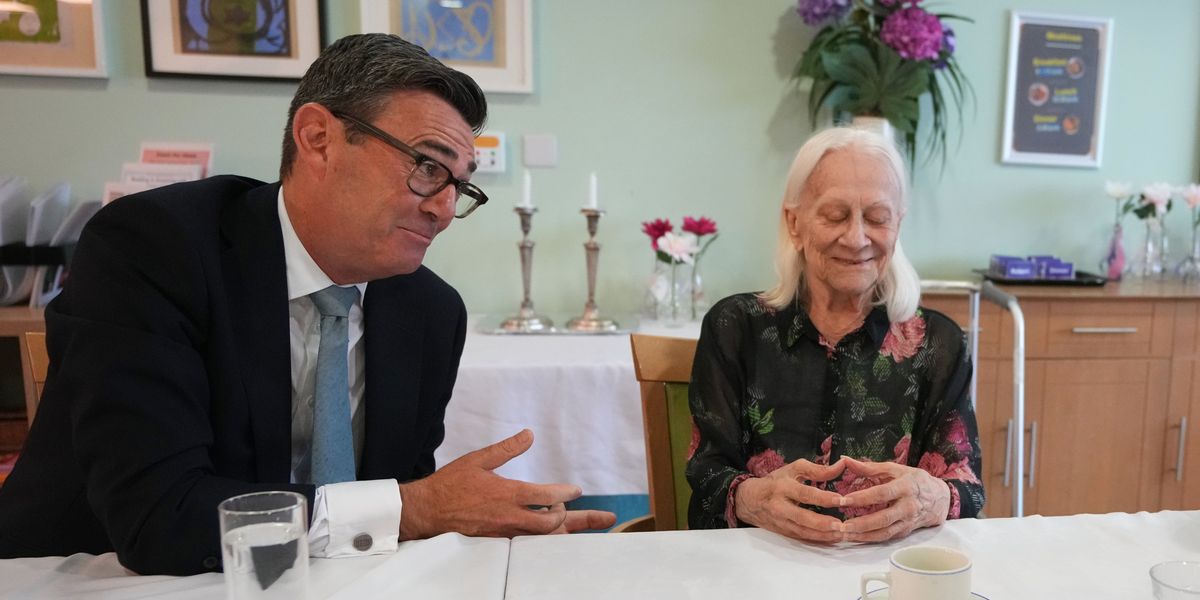
Andy Burnham's increasing list of spending pledges could "cost up to £63billion", new analysis has revealed.
The pledges, which include spending on defence, council house building and social care, could cost the country between £46billion and £63billion by 2030.
This equates to around 1.5 and 2 per cent of GDP, Capital Economics has shown.
John Healey, Mr Burnham's new Chancellor, could be left in a precarious position, with the bond markets nearing the limit of additional borrowing they can "tolerate".
It is possible Mr Healey could fall foul of the same predicament Rachel Reeves found herself in – her two budgets raised an additional £65billion in taxes, damaging the job market and businesses.
Yesterday, the new Prime Minister pledged to reform "neglected" social care, which is estimated to cost the Government an additional £18billion.
Mr Burnham did not rule out tax rises to fund social care reform but vowed he would "stick to the manifesto" and make "difficult decisions".
The possibility of a death tax to fund social care has been slammed by Reform UK, with its Treasury spokesman Robert Jenrick calling it a "fantasy" today.
The MP for Newark said Britons are amongst the most heavily taxed people when dead, saying: "Of the 38 OECD nations Britain already runs the fifth harshest death tax regime."
"Mr Burnham's death tax and our existing inheritance tax would cost families almost £30billion a year.
"Britain would become the single worst place to give money to your kids in the Western world, and it would be worse than that because it would also make the UK the only country in the whole of the West to tax all savings with no allowance whatsoever.
Mr Burnham also has plans to boost council housebuilding to pre-war levels, which would need a further £12billion to £23billion.
Mr Healey, who stepped down as defence secretary under Sir Keir Starmer over the lack of spending in the Ministry of Defence, could need to find an extra £11billion to meet his goal of three per cent of GDP towards defence by 2030.
However, the Prime Minister yesterday avoided committing to this figure, only pledging to Nato's 2035 goal, which requires all member states to raise their annual defence spending to five per cent of GDP.
Another route for increasing Government revenues could come from unfreezing the £12,671 personal allowance threshold, which would raise £9billion.
This is something the Prime Minister has hinted at doing, but has gone back on his comments.
Smaller pledges Mr Burnham has made could also snowball into a billions of pounds in Government spending, such as business rate cuts, ending rough sleeping and slashing VAT from energy bills.
Ideas floated by the Prime Minister and other senior Labour politicians have been shot down in the Capital Economics report.
Aligning capital gains tax with income tax rates, which has been endorsed by Wes Streeting and others, could see a fall in receipts equating to £7billion, the report shows.
Investors may delay selling their assets or pull money out of the UK in the face of an increased tax burden.
The Bank of England's deputy governor Andy Haldane told City AM he had urged the Government to not use capital gains tax increases as a way to increase revenues.
However, Mr Burnham has claimed there is "flexibility" in the fiscal rules which would allow him to increase revenues for investment.