
Andy Burnham's TikTok strategy draws criticism as 'cringe' politics
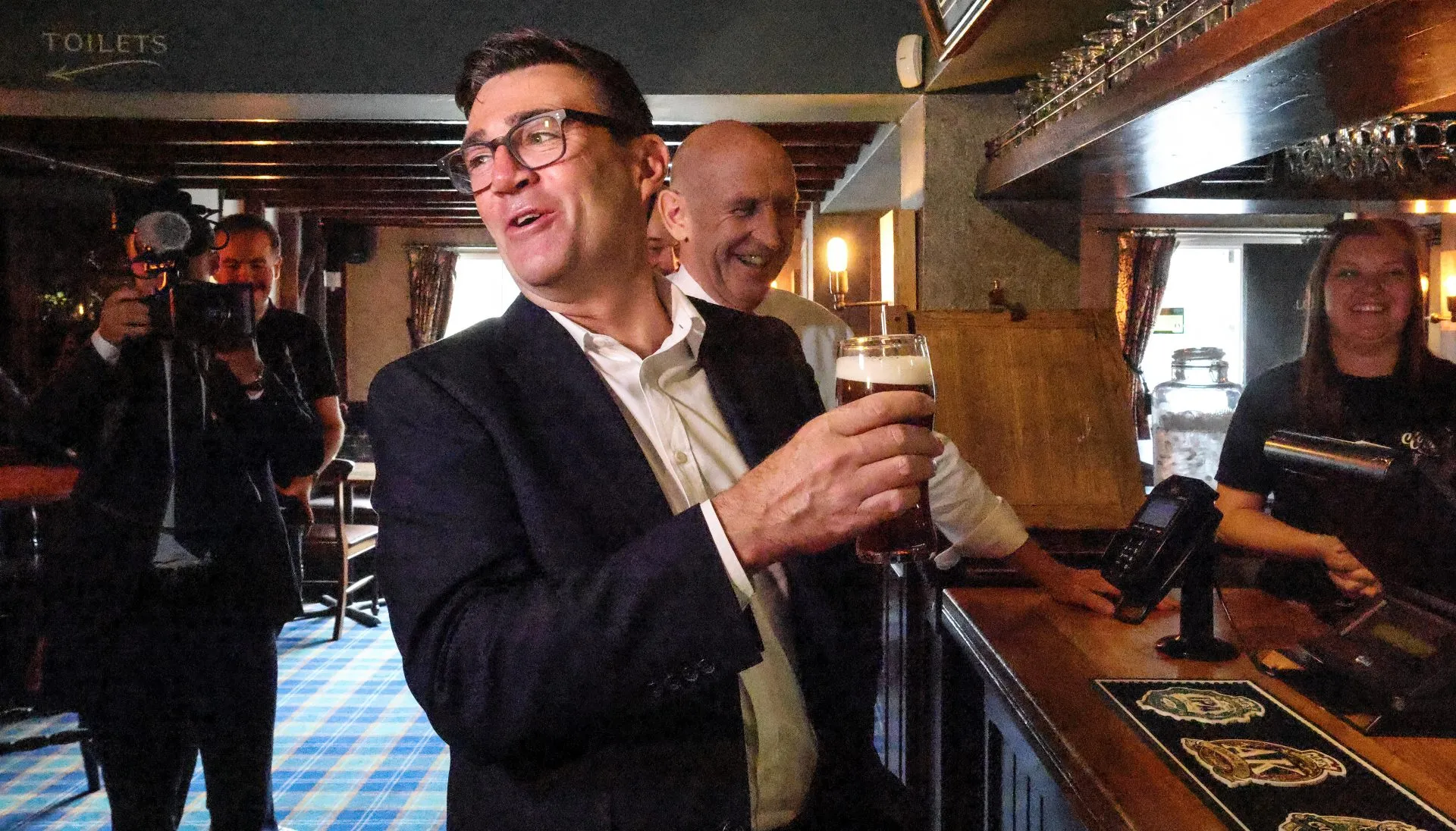
Andy Burnham, the mayor of Greater Manchester, has amassed more than 350,000 followers on TikTok as part of a sustained social media campaign that has drawn both engagement and criticism. The strategy, described by observers as "Burnhammaxxing", features the politician collaborating with online personalities, posting choreographed day-in-the-life videos, and offering curated glimpses of his office.
One widely viewed video shows Burnham alongside Bemi Orojuogun, known online as "Bus Aunty". The 440,000-follower content creator gained prominence in 2024 for silent, selfie-mode videos celebrating London buses. Her collaborations have included brands such as Burberry, Transport for London and UniDays. In the clip, set to The Smiths' "There Is a Light That Never Goes Out", Burnham approaches Orojuogun on a street as a double-decker bus displaying a "£2 bus fares" sign passes by, referencing the government's flagship fare cap policy. The video has attracted more than half a million likes.
Another video presents Burnham summarising "five things I've done in my first week" with rapid subtitles, zoom effects and a pace compared to children's programming. Commenters responded with policy suggestions such as lowering the retirement age and restoring the price of Freddo chocolate bars to 10p. A separate tour of his office reveals a gold Smiths disc, a whiteboard doodle of a football match against Liverpool, and a moment where Burnham closes a laptop displaying a YouTube search for "how to make the perfect cup of English tea".
wrote one commenter, while another contrasted Burnham with Keir Starmer, describing the prime minister as "a silver spoon out of touch ponch [sic] that took everything super serious."
The satirical TikToker Zoë Bread, known for confronting Manchester City Council over parking signage and challenging logistics firm Whistl over warehouses in Wigan's Astley Business Park, has turned her attention to Burnham. In January, while mayor, Burnham stated on radio that he lacked a formal role in the Astley dispute but supported "work to find a fair remedy". Bread's latest video overlays Burnham's social media clips with the caption: "I'm sure if we tag him enough we can make sure he sees this video in case he's forgotten." Her followers, self-described as "Breadheads", are monitoring whether he responds.
The social media operation is reportedly led by Abby Tomlinson, 28, who previously organised the #milifandom supporting Ed Miliband. Commentators have labelled the aesthetic "Buzzballism", a term coined by online analyst Drukpa Kunley to describe a vibe combining diverse representation, trite cultural references and ironic use of gay slang. The style aligns with what Kunley calls "multicultural Britain twee", referencing figures such as Paddington Bear, Benjamin Zephaniah and musician PinkPantheress.
Critics argue the approach risks insulting voters' intelligence. Burnham used a weekend interview to signal welfare reforms, including potential changes to Personal Independence Payments for the 87,000 16- and 17-year-olds currently receiving them, many for mental health and neurodiversity. The demographic most engaged with his TikTok content overlaps with those likely affected by such measures.
Analysts warn that politicians who cultivate parasocial relationships through social media may struggle to make unpopular decisions. Historical parallels include Bernie Sanders, whose online popularity did not translate into electoral victory, and Boris Johnson, whose performative relatability eventually collapsed under scrutiny. The central question remains whether viral engagement strengthens democratic accountability or merely postpones difficult conversations.