
Anxiety in autumn: Causes, treatments, and when to get help
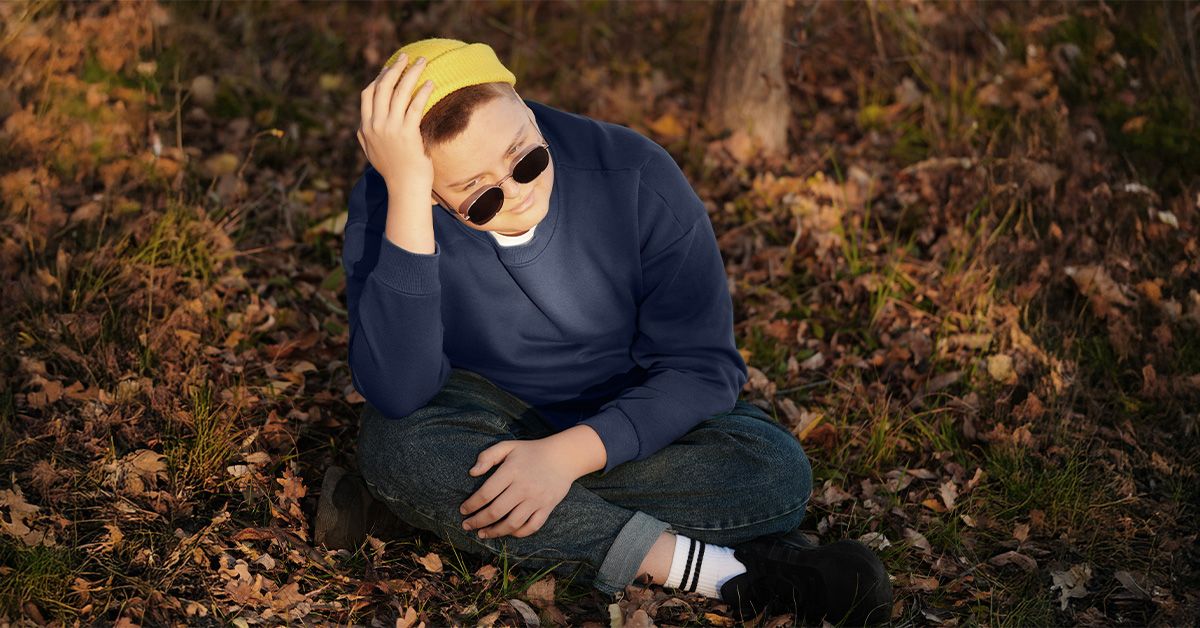
Anxiety in autumn, or fall, can occur due to changing light levels. As the sun rises later and sets earlier, people may feel uneasy, down, or worried.
There are several reasons why this might happen. For example, some may have anticipatory anxiety about the coming winter season, which can be challenging for many people.
Those who have seasonal affective disorder (SAD) may also find symptoms begin in autumn.
Read on to learn more about the signs, causes, and treatments for autumn anxiety, and when to seek help from a professional.
Autumn anxiety is a feeling of unease, worry, or increased anxiety that occurs specifically when the seasons change.
People who experience autumn anxiety may find their mood and anxiety levels shift around this time every year, even if they do not have any new stressors in their life.
People living in the north or south of the globe will notice daylight hours shortening considerably in autumn, with later sunrises and earlier sunsets.
As light levels shift, so may these factors, resulting in a lower mood or more anxiety.
Habits such as exercise, visiting friends, and doing hobbies can all help support mental health.
In autumn, though, people may consciously or unconsciously change their habits. Darker evenings and cold weather may mean people stop doing some of the activities that usually relieve stress.
Those in education may also find they have less time for self-care when school resumes.
Some people may use more caffeine to stay alert as light levels change. However, caffeine is a stimulant, and can give some people anxiety or “jitters”.
Different people have varying levels of sensitivity to caffeine. For some, even small amounts can worsen anxiety.
Seasonal affective disorder (SAD) is a type of depression. It is also known as major depressive disorder with a seasonal pattern.
It can affect people at any time of the year, but often begins around late autumn or early winter. People with SAD have symptoms such as:
For the symptoms to be SAD, they must last at least
However, it is worth noting that many people also experience “winter blues” that are not as pronounced as SAD, but can still affect quality of life.
The prospect of winter approaching may be anxiety-inducing for people who experience SAD or winter blues, even if their symptoms have not begun. They may worry about how the darker seasons will affect them.
For others, anticipatory anxiety about winter may revolve more around seasonal events and celebrations. Many people experience stress around the holidays.
Vitamin D plays an important role in many aspects of health, including mental health. Low vitamin D levels have an association with depression and anxiety.
People who have a vitamin D deficiency before autumn begins may find it gets more pronounced as light levels decline. A doctor can perform blood tests to determine if a person has enough.
People with anxiety about climate change may notice autumn getting warmer or more unpredictable over time, which could trigger worry or panic.
Natural disasters such as storms, hurricanes, or flooding may also cause anxiety. Climate change anxiety is more common in people who have experienced its effects before.
If a person experienced trauma or bereavement in a previous autumn, the season may bring back unpleasant memories or emotions.
For example, a person who experienced loss may feel more grief around this time, especially on the anniversary. Scientists call this a bereavement anniversary reaction.
Some aspects of autumn may even be triggers for those with posttraumatic stress disorder, leading to intrusive memories, hypervigilance, or flashbacks.
Try to keep getting sunlight exposure whenever possible. People can try going for walks in the morning or at lunch, sitting outside when the sun is out, or sitting near windows if going outside is not possible.
Going outside may feel more difficult when it is colder or darker than in summer. Some tips that may help include:
If a person tends to exercise more in summer, consider ways of continuing to do this in autumn.
A person may not do all the same activities they usually do in summer, or at the same frequency. However, any amount is better than none. A 2018 study suggests that even 10 minutes of exercise can boost a person’s mood.
If the holidays or other celebrations are a source of stress, think about ways of reducing or managing it ahead of time.
Even if a person still spends time outside, those in the far north or southern hemispheres may still need to take vitamin D supplements to get enough during the darker months.
Even if this does not help with anxiety, sufficient vitamin D is important for bone health and other functions. However, people should speak with a doctor before taking it to ensure it is safe for them to take.
A psychologist or psychiatrist can provide advice on which therapies may help.
People do not have to try and manage autumn anxiety alone. Anyone experiencing persistent anxiety can get a diagnosis and support from a mental health professional.
If you’re calling on behalf of someone else, stay with them until help arrives. You may remove weapons or substances that can cause harm if you can do so safely.
If you’re not in the same household, stay on the phone with them until help arrives.
Anxiety in autumn can occur for many reasons, including light levels changing, disruptions in routine, anticipatory anxiety about winter, or SAD.
Some people may also have negative associations with autumn due to past experiences, such as loss or trauma.
Self-care strategies such as spending time outside, exercise, social activities, and managing stress may help. However, if anxiety continues despite trying these approaches, or the anxiety is severe, people may need support from a professional.