
Assistive Devices for Older Adults: Cost, Coverage, and More
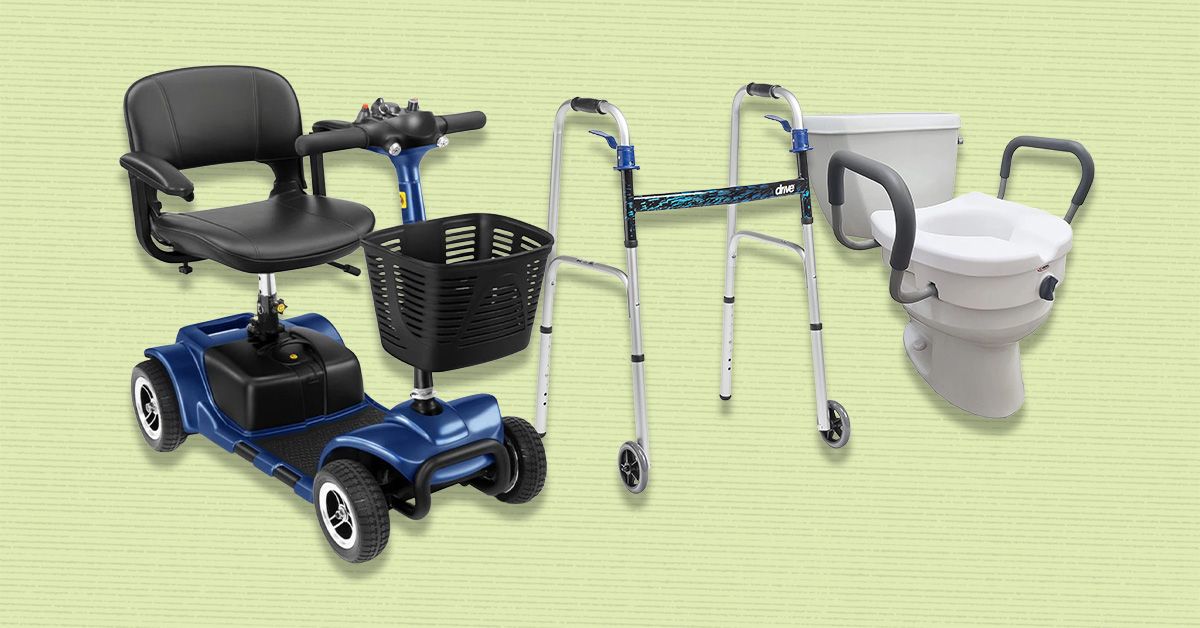
As people age, they can face unique challenges and changes to their health, such as decreasing strength, chronic illness, arthritis, muscle loss, and more.
Assistive devices can be helpful during these changes. According to the World Health Organization (WHO),
While there are many different products on the market, people’s needs are distinctive to their health. Below, we share some of our picks of assistive devices that can help at any stage of aging and discuss which devices may have coverage from Medicare or Medicaid.
According to the
Therefore, the type of device a person needs depends on their health, needs, and restrictions.
The
This roundup features a mix of
Dr. Shilpa Amin is an ABMS board certified physician and geriatrics expert who has a Master’s in Jurisprudence in Health Law, which gives her the unique experience of understanding the healthcare system and what prevents patients from accessing proper care.
In this roundup, Dr. Amin discusses different ways people can ensure they are getting the care they deserve and shares how to go about this process.
Assistive equipment is any tool or device that helps make the environment or daily life more functional. Understanding a person’s ability to perform activities of daily life (ADL) can help a professional determine which assistive device would be most beneficial to that person.
Before purchasing any assistive device, consider talking with a healthcare professional, occupational therapist, or physical therapist. Dr. Shilpa Amin shares that “a [healthcare professional] can assess a patient’s needs and limitations, provide recommendations connecting with relevant sources, and offer guidance on proper usage and safety precautions related to equipment.”
Assessments such as the Gait Speed Test and Performance-Oriented Mobility Assessment can determine someone’s baseline functionality and ask about any falls, accidents, or other injuries. “They can characterize the patient’s scope of independence and identify areas that may require further external support to ensure patient safety,” Dr. Amin says.
After settling on an assistive device, here are some things to consider before purchasing it. Dr. Amin suggests to:
Medicare, Medicaid, or other state-funded initiatives may also help with assistive device costs. Medicare Part B covers about 80% of the DME cost that is deemed medically necessary by a Medicare-enrolled healthcare professional. Most of the time, Medicare Part B covers the cost for rental equipment, but it may also assist in purchasing devices.
However, it’s important to note that for Medicare to cover any costs, the store that carries assistive devices needs to be enrolled in Medicare. Otherwise, the cost of the assistive device may be more than 20%.
Medicaid also offers coverage for DME, but its definition of medical supplies is broader than that of Medicare, and the costs it may cover come secondary to Medicare and state-funded coverage.
For Medicaid to cover the costs of DME and other medical supplies, Medicare and “each state, under its State Medicaid Plan, [should take] all reasonable measures to ensure that other payers pay to the limit of their legal liability before any Medicaid payment is available,” according to Medicaid.gov.
Not all devices fall under or have coverage as DME under Medicare and Medicaid. Check with Medicare and Medicaid representatives to confirm whether the intended device is qualified for coverage.
There is no data available on which assistive device is the most common for older adults. That said, devices that help with communication and mobility may help these individuals get the help they need while maintaining their independence.
There is no data available on which assistive device is the most common for older adults. That said, devices that help with communication and mobility may help these individuals get the help they need while maintaining their independence.
Medicare may cover assistive devices, but the amount of coverage varies between plans, whether the device is deemed a DME, and other factors.
Check with insurance representatives to make sure the device in question is covered and if any paperwork or documents are necessary for full support.
Generally, Medicare Part B will cover up to 80% of DMEs if the prescription and the device come from Medicare-enrolled sources.
Medicaid’s coverage is usually secondary to that of other legally liable payers like Medicare. There are also State Medicaid Plans in place for guidance on how and when Medicaid can cover expenses.
Medicare may cover assistive devices, but the amount of coverage varies between plans, whether the device is deemed a DME, and other factors.
Check with insurance representatives to make sure the device in question is covered and if any paperwork or documents are necessary for full support.
Generally, Medicare Part B will cover up to 80% of DMEs if the prescription and the device come from Medicare-enrolled sources.
Medicaid’s coverage is usually secondary to that of other legally liable payers like Medicare. There are also State Medicaid Plans in place for guidance on how and when Medicaid can cover expenses.
A DME is any device that is medically necessary for long-term use for people with medical conditions, limited abilities, or injuries.
What qualifies as a DME depends on your insurance coverage. Medicare has a non-exhaustive list available for covered DME devices, but the prescription and the store it comes from have to be Medicare-enrolled.
Check with Medicare reps to fully understand what a DME needs to qualify for coverage.
A DME is any device that is medically necessary for long-term use for people with medical conditions, limited abilities, or injuries.
What qualifies as a DME depends on your insurance coverage. Medicare has a non-exhaustive list available for covered DME devices, but the prescription and the store it comes from have to be Medicare-enrolled.
Check with Medicare reps to fully understand what a DME needs to qualify for coverage.