
Average weight loss with Wegovy: What the latest studies show
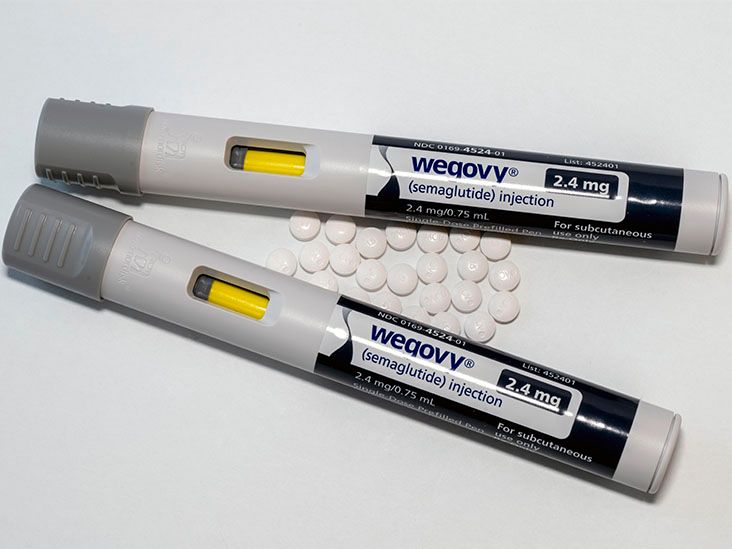
Wegovy is a prescription medication used to help adults and children ages 12 years and older lose weight. It works by copying a natural hormone in the body that helps control hunger.
When combined with a lower-calorie diet and increased physical activity, Wegovy has been shown to help people lose significant weight.
Clinical studies, known as the STEP trials, looked at how well Wegovy works over 68 weeks. In the largest study of adults without diabetes, those taking the standard 2.4 milligram (mg) dose of Wegovy lost an average of 14.9% of their starting body weight. For a person weighing 230 pounds, this is a loss of about 34 pounds.
Recent results from the “STEP UP” trial, shared on May 12, 2026, show even stronger weight loss results with a higher 7.2 mg dose of Wegovy. On average, people taking this higher dose lost 20.7% of their total body weight.
A special group called “early responders” — people who lost 15% of their weight in the first six months — saw the biggest changes. These individuals lost an average of 27.7% of their body weight by the end of the 72-week study. Importantly, 84% of the weight lost was body fat, while muscle strength and health were preserved.
In a separate report also released on May 12, 2026, Novo Nordisk (the manufacturer of Wegovy) shared that Wegovy helps people keep weight off for a long time. In a 4-year study, adults maintained an average weight loss of 10% throughout. This study also showed that Wegovy lowers the risk of heart problems, such as heart attacks, regardless of how much weight was lost at the start.
Wegovy is typically started at a very low dose and slowly increased over several months. This helps your body get used to the medication and reduces Wegovy side effects, such as nausea. Most people begin to see the most weight loss with Wegovy after 3 to 4 months of use, once they reach the higher maintenance doses.
Disclaimer: While Medical News Today strives for factual, comprehensive, and current information, this article is not a substitute for a licensed healthcare professional’s expertise. Always consult a doctor before taking or discontinuing any medication. Drug information is subject to change and may not cover all uses, directions, precautions, warnings, interactions, reactions, or adverse effects. The lack of a warning does not guarantee a drug’s safety, effectiveness, or appropriateness for all patients or specific uses. Learn more about our approach to content integrity.