
Bank of England chief economist ‘not trying to be a troublemaker’ on rates split
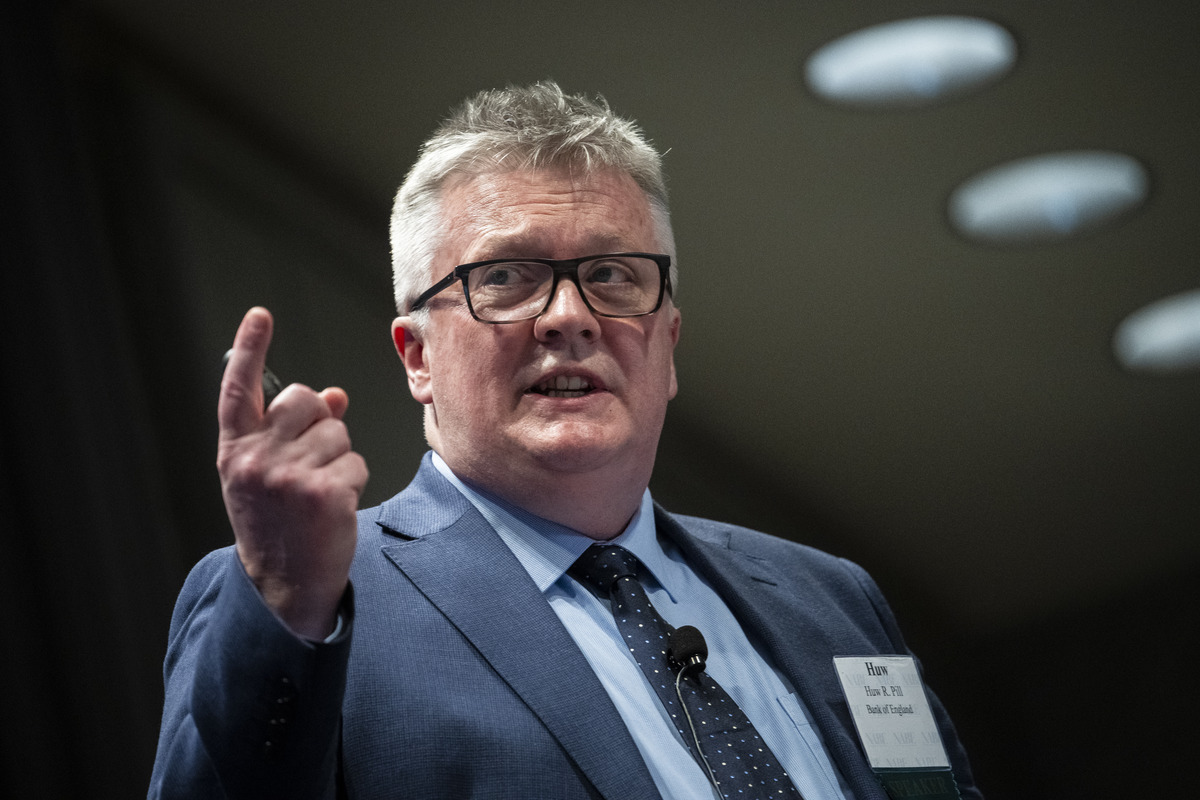
The Bank of England’s chief economist has warned fellow policymakers over the risk of becoming “complacent” towards the cost of living as he defends his recent calls to hike interest rates.
Huw Pill, a member of the central bank’s Monetary Policy Committee, has voted twice to increase rates to 4 per cent in the committee’s last couple of meetings.
In April, he was the only member of the nine-person committee to vote for the rate hikes, and in June he was joined in voting by one other member, Megan Greene.
Pill’s decision was fuelled by concerns about inflation being higher than the central bank’s target level of 2 per cent.
This follows the committee earlier this month agreeing to hold interest rates at 3.75 per cent, a decision that suggested the bank was still attempting to get clearer evidence on the Iran war’s impact on inflation.
Both economists and the bank are expecting the cost of living to spike throughout the year as higher energy prices hit the economy, and Pill said he would expect consumer-facing businesses to respond partly by raising prices for customers.
He also warned over the UK economy’s “underlying inflation dynamics” and argued that monetary policy decisions may have “fuelled some of this strength and momentum”.
Speaking to the Press Association, Pill said policymakers “should not be complacent” about the current rate of Consumer Prices Index (CPI) inflation at risk of climbing amid the Iran war causing oil prices to surge.
In April, the CPI rate was 2.8 per cent and the same in March, according to official figures.
Pill said that in the past, inflation running one percent above target would have been thought of as “problematic”.
“I think it should be seen as problematic, because our mandate is very clear; inflation at 2 per cent at all times,” he said.
The top economist said he wants to “emphasise that I’m not dissenting because I want to get my name in the papers, or I want to be a troublemaker on the committee.”
“Over my time on the MPC, I’ve probably, if anything, erred on the side of supporting the institutional view, even when I had some scepticism about it,” he said, adding that it is “not an easy choice” for him to disagree “at a personal level.”