
Benefits of taking prenatal vitamins while not pregnant
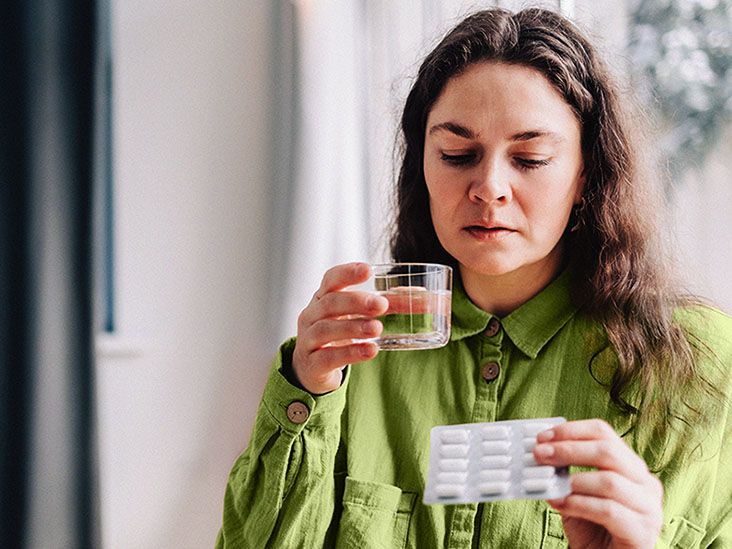
The benefits of prenatal vitamins while not pregnant may include supporting iron levels in people who menstruate heavily and providing folic acid for preconception planning.
Prenatal vitamins are specifically designed to support a healthy pregnancy. They contain higher concentrations of certain nutrients compared with standard multivitamins. However, some people who are not pregnant may consider taking them for their higher folic acid, iron, and calcium content.
While prenatal vitamins can address specific nutritional deficiencies, most people who eat a balanced diet do not need them.
Prenatal vitamins may offer several benefits for people who are not pregnant, particularly those with specific nutritional needs or deficiencies.
Prenatal vitamins typically contain around 400-800 micrograms (mcg) of folic acid, a B vitamin
Many prenatal vitamins contain 27 milligrams (mg) of iron, which is significantly more than the standard 18 milligrams (mg) found in most multivitamins.
Iron deficiency is one of the most common nutritional deficiencies worldwide, particularly among people who menstruate. Heavy menstrual bleeding is a significant contributor to iron deficiency and iron deficiency anemia, which has a detrimental impact on quality of life.
Adequate iron intake helps prevent anemia and supports oxygen transport throughout the body. Individuals with heavy menstrual periods or those following a plant-based diet may benefit from the higher iron content in prenatal vitamins.
Prenatal vitamins typically contain up to 250 mg of calcium, which supports bone density and strength. While this amount does not meet the daily calcium requirements of around 1,000 mg alone, it can supplement dietary intake.
Calcium and vitamin D are essential for maintaining bone health, and deficiencies in either are significant risk factors for the development of osteoporosis.
Understanding the differences between prenatal vitamins and standard multivitamins can help individuals choose the most suitable supplement for their specific needs.
The primary difference lies in the concentration of specific nutrients. Prenatal vitamins typically contain higher amounts of folic acid, iron, and calcium compared to standard multivitamins.
When not pregnant, people need 18 mg of iron per day; however, during pregnancy, they require 27 mg daily, which is typically provided by most prenatal vitamins. Regular multivitamins usually provide nutrients in amounts closer to the recommended daily allowances for the general adult population.
Prenatal vitamins also contain vitamin D, vitamin B12, and omega-3 fatty acids in amounts designed to support fetal development.
Manufacturers formulate prenatal vitamins specifically for pregnancy and the preconception period. Standard multivitamins serve as a general nutritional insurance for individuals with diverse dietary needs.
While prenatal vitamins are generally safe for people who are not pregnant, they can cause side effects and may not be appropriate for everyone.
The high iron content in prenatal vitamins
Iron overload, also known as hemochromatosis, occurs when the body accumulates excessive amounts of iron. This excess iron particularly affects the liver, heart, and pancreas.
Individuals who do not menstruate should exercise caution when taking iron supplements, as they have lower iron requirements than those who menstruate.
Taking prenatal vitamins when not necessary can lead to excessive intake of certain nutrients.
Fat-soluble vitamins, such as vitamins A, D, E, and K, can accumulate in body tissues when consumed in excess, potentially
While prenatal vitamins typically contain safe amounts of these nutrients, it is advisable to avoid taking multiple supplements simultaneously without consulting a healthcare professional.
The concentrated nutrient content in prenatal vitamins can cause digestive issues in some individuals. Common complaints
Prenatal vitamins serve specific purposes during pregnancy and may benefit certain populations when not pregnant.
People who are not pregnant have alternatives to prenatal vitamins that may better suit their individual needs.
Prenatal vitamins contain concentrated amounts of folic acid, iron, and calcium at levels designed for pregnancy. While they may address nutritional deficiencies in people who are not pregnant, they are not necessary for most individuals.
The high iron content in prenatal vitamins can cause digestive side effects and may lead to excessive iron accumulation in those who do not require supplementation.
Standard multivitamins or targeted individual supplements often provide more appropriate nutrient profiles for people who are not pregnant.