
Can a chiropractor help with scoliosis? What to know
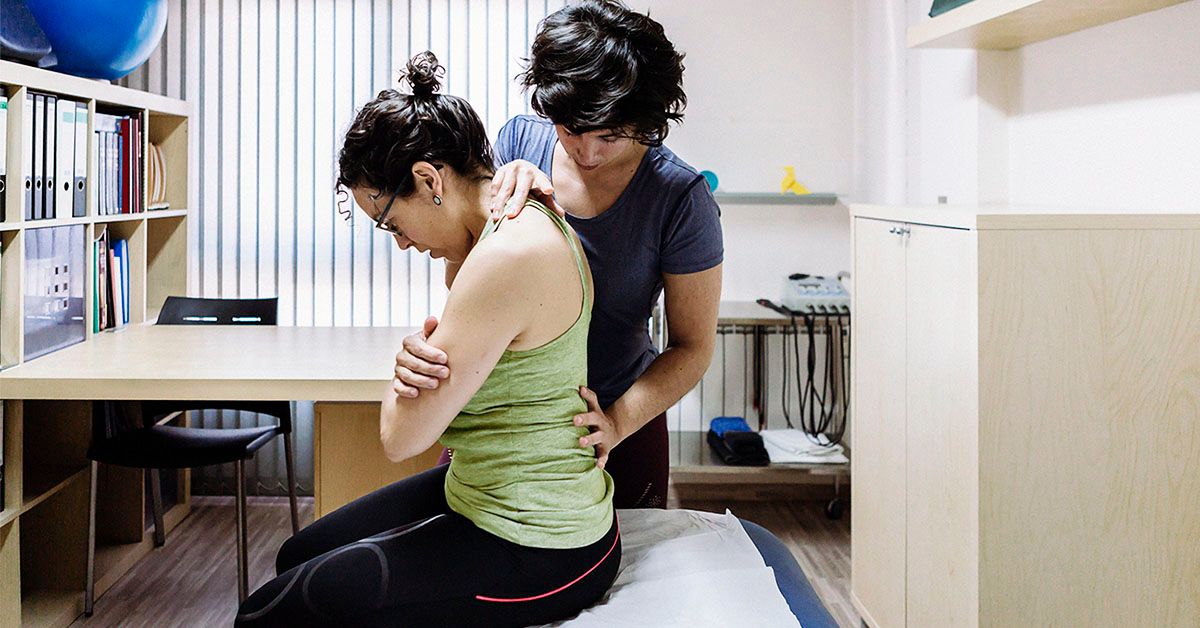
Chiropractic is a type of spinal manipulation therapy. Some people may wonder if this therapy can change the curve of their spine or improve alignment, but there is little high quality evidence to support this.
Whether any type of physical therapy helps scoliosis may depend on factors such as age, the underlying cause, the type of scoliosis, and other factors.
There is no high-quality evidence from scientific studies that chiropractic can treat a curved spine.
A 2017 review of past research on chiropractic, osteopathy, and physical therapy examined the potential benefits for adolescents with scoliosis. The authors concluded that there was insufficient evidence.
Some studies did show benefits from spinal manipulation, but the studies were small and had a significant risk of bias, meaning the results may not be reliable. A more recent
A more recent 2022 review examined scoliosis-specific exercises and chiropractic for adolescent scoliosis. Some of the studies in the review showed benefits from one or both of these approaches, with X-rays showing a reduction in the spinal curve.
Again, though, the authors describe the quality of the evidence as ranging from “very low to moderate.”
While the effects of chiropractic on spinal curvature are uncertain, it may have other benefits in combination with other treatments.
For example, the 2022 review notes that some studies the authors analyzed found improvements in quality of life and flexibility.
However, the research on these effects is also limited. More high quality studies are necessary to determine if chiropractic is safe and effective for scoliosis.
The treatments that may help with scoliosis depend on a person’s age and the type of scoliosis they have.
Functional scoliosis, for example, is mild and reversible. It can occur due to musculoskeletal problems, such as imbalanced muscles and differences in leg length, leading to changes in the spine’s position.
In functional scoliosis, correcting the underlying cause can help improve the curve. This can involve physical therapy.
In contrast, structural scoliosis occurs due to how the bones grow. It can develop before birth or as a child grows up. The cause is often unknown.
Treatment for structural scoliosis involves either reducing the curve with bracing, if the spine is still growing, or surgery if necessary. However, not everyone requires this.
Physical therapy for structural scoliosis is mainly useful for improving strength and reducing pain.
According to the National Health Service (NHS) in the United Kingdom, chiropractic care from a trained professional is typically safe.
However, manipulating the spine can result in aches, pains, or stiffness. These are usually temporary and go away in a few days.
While some people with scoliosis may find chiropractic treatment beneficial, it is not guaranteed to help. It
If a person wants to try chiropractic for scoliosis, it is essential to first get a diagnosis from a doctor to determine the cause of their back pain and rule out other conditions.
Then they can look for a therapist with the right training and credentials.
Below are answers to some common questions about chiropractic for scoliosis.
There is no strong evidence that either chiropractic or physical therapy reduces scoliosis itself, nor that it stops the curve’s progression.
However, some people report that these therapies help with pain. Because physical therapists focus on spinal strength and flexibility rather than alignment, it may be better to try this first.
There is no strong evidence that either chiropractic or physical therapy reduces scoliosis itself, nor that it stops the curve’s progression.
However, some people report that these therapies help with pain. Because physical therapists focus on spinal strength and flexibility rather than alignment, it may be better to try this first.
There is no evidence that chiropractors can fix scoliosis. People should not consult with chiropractors who claim they can do this.
There is no evidence that chiropractors can fix scoliosis. People should not consult with chiropractors who claim they can do this.
People with severe osteoporosis, arthritis, cancer of the spine, spinal infections, recent spinal injuries, a herniated disk, or risk of stroke should not get chiropractic treatment.
If a person has any doubts, they should speak with a doctor first to see if chiropractic is safe for them.
People with severe osteoporosis, arthritis, cancer of the spine, spinal infections, recent spinal injuries, a herniated disk, or risk of stroke should not get chiropractic treatment.
If a person has any doubts, they should speak with a doctor first to see if chiropractic is safe for them.
There is little evidence that chiropractic is an effective treatment for scoliosis. In structural scoliosis, attempts to make the spine symmetrical will not work, as the condition occurs due to how the bones grow.
Functional scoliosis is reversible, though, and may reduce with physical therapy or other interventions. Physical therapy may also help improve muscle strength and pain in people with any type of scoliosis.
If a person wants to try chiropractic, they should aim to get a firm diagnosis of the cause of their pain first. Finding a qualified and experienced chiropractor is also essential.