
Can people use ChatGPT for therapy, and what are the potential risks?
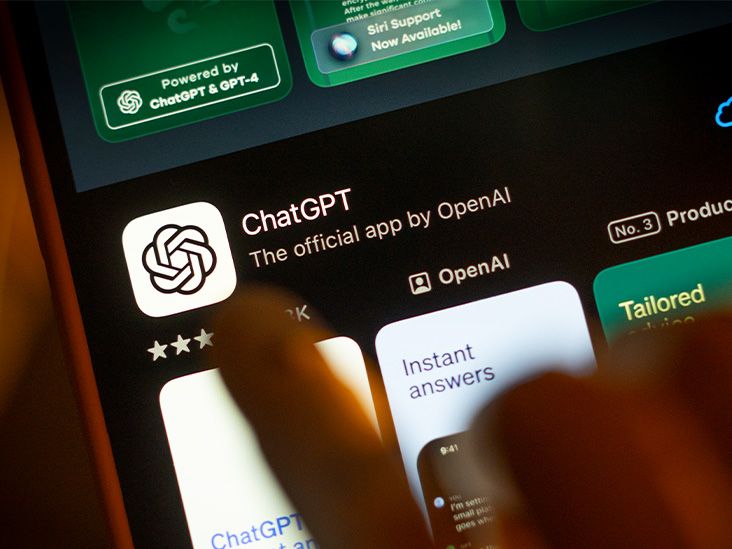
Generative AI, such as ChatGPT, can be a useful tool to help support health and wellness. However, it cannot replace therapy from qualified professionals.
As generative AI gains more traction across health and wellness domains, more people are considering turning to these tools for mental health support and self-therapy.
People may opt for these tools as they are readily available, accessible, affordable, and nonjudgmental. However, while generative AI can be a helpful tool, it cannot replace a qualified professional, and people need to avoid relying on it solely as a support tool.
Chat Generative Pre-trained Transformer (ChatGPT) is an example of a large language model (LLM). This refers to artificial intelligence (AI) programs capable of understanding and generating human language by processing vast amounts of text data.
These AI programs have many potential applications, including healthcare. Some people may consider ChatGPT for mental health support due to its accessibility, affordability, and nonjudgmental nature, particularly when access to a human therapist is difficult or expensive.
However, while current evidence suggests that ChatGPT could help complement traditional therapeutic approaches and enhance access to care, it is not without its limitations and cannot replace a qualified professional.
Although ChatGPT cannot replace therapy, some research suggests that it may have the potential to complement traditional psychotherapeutic approaches. For example, a
Similarly, a
Although ChatGPT cannot replace standard therapy, it
While ChatGPT may show promise as a complement to traditional therapy, it still has many potential risks and shortcomings.
For example, when using ChatGPT for therapeutic purposes, it issues automatic disclaimers highlighting its incapacity to provide professional advice, redirecting users to instead seek help from mental health professionals. Additionally, users report concerns about whether this tool
Other concerns
Other users note that although ChatGPT resembles a human therapist, it is unable to carry long conversations or provide the emotional depth that some people may require. Additionally, the tool is unlikely to help people achieve long-term progress, as it instead focuses on offering instant gratification.
When using ChatGPT as a complement to traditional therapy, it is advisable to follow guidelines to help mitigate potential risks. These can include:
Many people may consider using generative AI, such as ChatGPT, for therapy due to its accessibility and affordability. However, while ChatGPT shows some promise, it cannot replace a qualified human professional.
While more research is still necessary, some evidence suggests that ChatGPT could be a useful tool to complement traditional therapy. However, a person should not use this tool as a sole provider of mental health care. This is due to ethical issues, such as AI potentially providing inaccurate and potentially harmful responses that could compromise a person’s well-being.