
China adds more Japanese companies to export blacklist
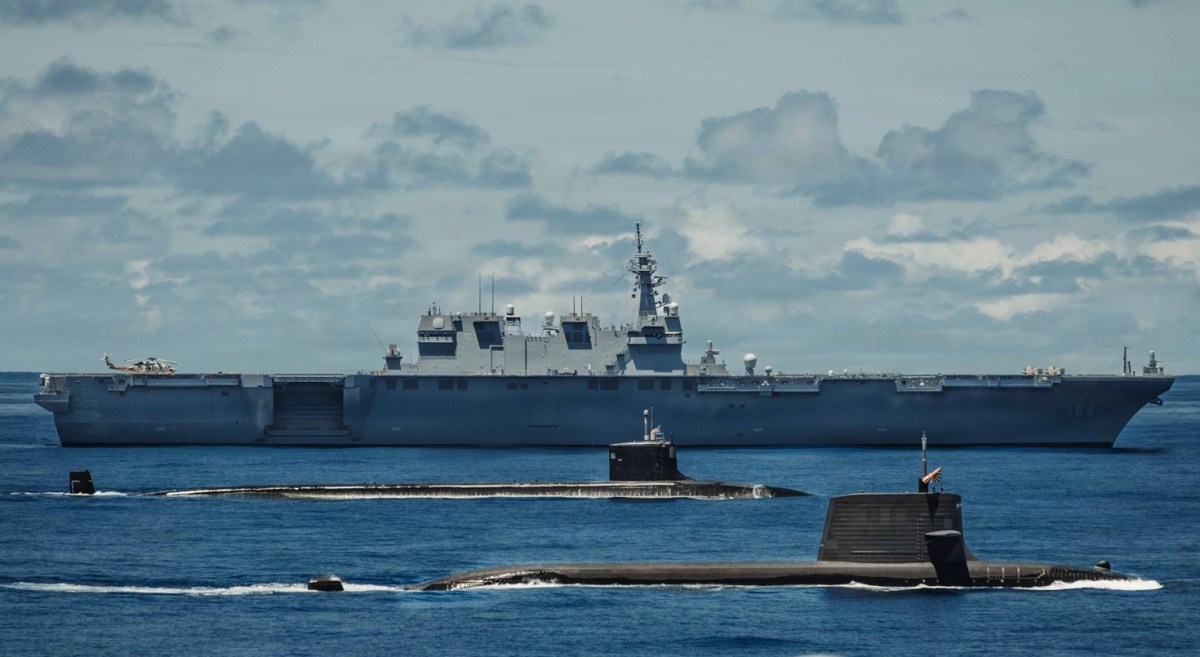
China on Monday widened its export controls to target 40 Japanese defense contractors, research institutes and civilian firms with suspected defense establishment ties to stop what officials claim is a "new militarism" in Tokyo.
The Commerce Ministry's latest announcement brings the total number of Japanese entities placed on either China's dual-use blacklist or its "watch list" since February to 80.
"This reflects China’s growing willingness to weaponize its dominance over rare earth minerals to pressure other countries’ critical sectors and attempt to deter them from continuing actions that Beijing views as challenging its interests," said William Yang, a senior analyst for Crisis Group, on X.
Newsweek reached out to the U.S. State Department and Japanese Defense Ministry by email with requests for comment.
The new sanctions are necessary because Japan has "shown no remorse" and is instead "accelerating the pace of what China calls 'new militarism,' speeding up remilitarization, deploying offensive weapons, and launching offensive missiles overseas," the ministry said.
This statement was in apparent reference to the U.S. ally's plans to stand up anti-aircraft missiles on outlying islands and participation in live-fire drills for the first time in the Philippines during the U.S.-led Balikatan exercises in May.
Tokyo has also doubled its defense spending to 2 percent and loosened restrictions on exports of lethal weapons to partners in the region, citing China's military buildup and nuclear and missile threats from North Korea. Japan's postwar pacifist constitution bars it from waging offensive campaigns.
Exporters—including those outside China—are prohibited from transferring or supplying Chinese-made dual-use goods to organizations and companies on the "control list," which includes defense contractors and research institutes accused of strengthening Japan's military capabilities—such as the National Institute for Defense Studies, the policy research arm of Japan's Defense Ministry.
While companies on a separate "watch list" are not subject to an outright ban, exporters wishing to ship products to these entities must submit a risk assessment report and certify their products will not be used to support Japan's defense industry.
Among the 20 additions to this is Mitsui E&S Co., which previously built and repaired vessels for Japan's Self-Defense Forces but now focuses on industrial machinery, marine engines and port cranes.
Only a "small number of Japanese entities" are affected, Guo Jiakun, a Chinese Foreign Ministry spokesperson, told reporters Monday. "They do not affect normal China-Japan economic and trade exchanges." Japanese companies that are in compliance with the law "have absolutely no reason for concern," he said.
China has ramped up its remilitarization narrative since November, when Japanese Prime Minister Sanae Takaichi linked Japan's security to that of Taiwan, the self-ruled island Beijing claims as its territory and has vowed to bring under its control, by force if necessary.
A Chinese blockade of the island would constitute a "survival-threatening situation" that could warrant joint intervention alongside U.S. forces, she told lawmakers.
Japanese officials continue to push back.
The Commerce Ministry's announcement is "unacceptable" and out of step with international norms, Japanese Chief Cabinet Secretary Minoru Kihara said Monday.
Tokyo has lodged strong protests with China and called for the existing measures to be lifted, he said, adding the government would closely assess their impact and "take appropriate actions."
While Beijing has not published a comprehensive list of affected items, the four rounds of export controls imposed since January cover rare earth elements and other critical minerals essential to advanced civilian and military technologies.