
China's pharma companies are facing a 'monkey problem' that they say is as tough as 'negotiating for an Nvidia chip'
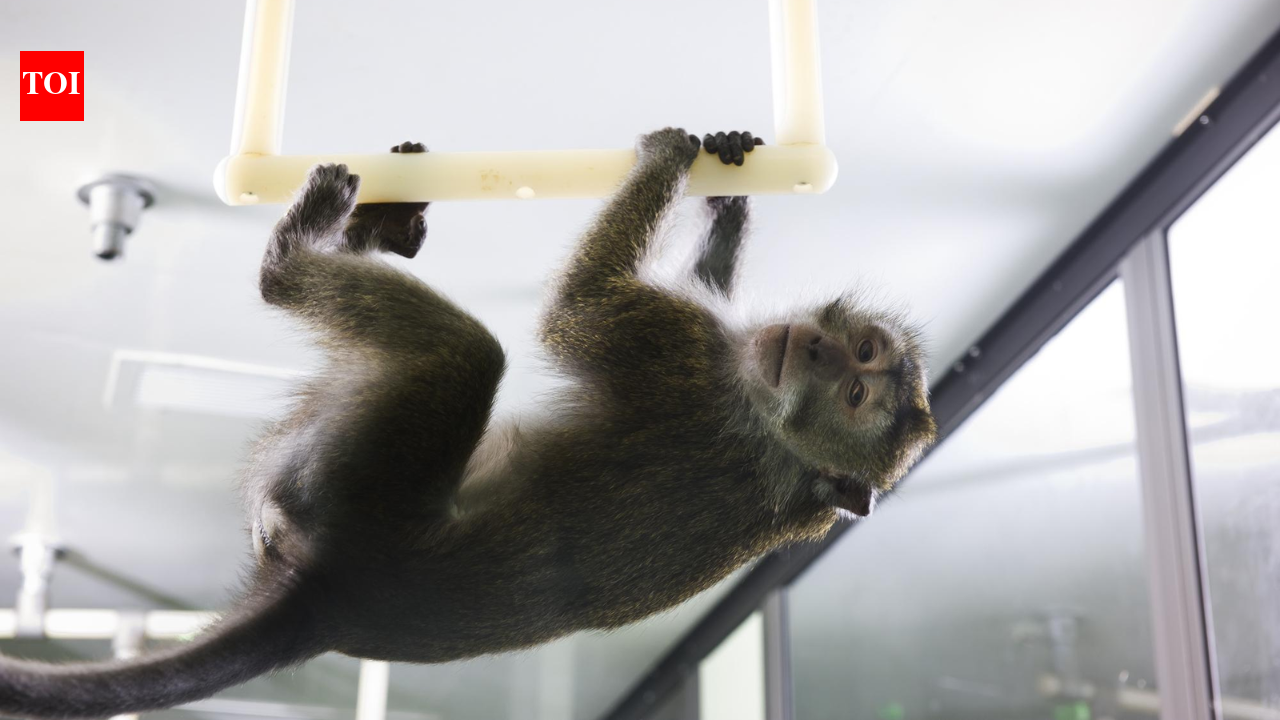
In June, a Chinese state laboratory paid 178,000 yuan—about $26,294—for each of 40 cynomolgus macaques. Twelve months earlier, the same animal would have cost roughly half that. Similar spikes have rippled through the industry, according to biotech executives, and the timing could hardly be worse for a country that has spent the past five years rebuilding itself into the world's fastest drug development machine.The bottleneck is not a collapse in supply.
Regulated breeding farms are holding steady. What has changed is demand, and the scale of it. China now accounts for roughly a third of the global innovative drug pipeline and is the top destination for clinical trials, and every one of those programmes needs primate safety data before it goes anywhere near a human arm.
Jielun Zhu, co-founder and CFO at cancer therapy developer Excalipoint Therapeutics, compared the scramble to a large language model company chasing compute. "It's like negotiating with Nvidia to secure its chips," he said.Why lab monkey prices in China have doubled inside a yearMonkeys are the gatekeepers to the clinic, and there is no workaround.
Their physiological closeness to humans makes them the most reliable surrogate for toxicology work—tracking how a drug moves through the body, what it does to organs, and whether anything about it is fatal. That matters most for biologics and newer formats such as antibody-drug conjugates, bispecifics and in vivo CAR-T, the exact areas where Chinese firms have been signing blockbuster licensing deals with Western pharma.
UBS Securities' China healthcare research head Chen Chen points to those categories specifically. A single programme can consume anywhere from a dozen animals to a hundred.How the monkey shortage is delaying drug trials and preclinical studiesThe practical cost is time. Harri Jarvelainen, a China-based consultant who advises Western clients on preclinical work, says study planning now takes an extra four months, and in bad cases as long as ten.
Part of that is regulatory: Chinese rules require monkeys used in toxicology testing to be at least three years old, so a shortfall today cannot be bred away for another three years. Speed to clinic has been the single biggest competitive advantage Chinese biotechs hold over their American rivals, and this is the one input they cannot manufacture faster.China's lab monkey shortage runs to 2028, with Cambodia imports as the fixBig contract research organisations saw this coming.
WuXi AppTec, Pharmaron and Joinn Laboratories all run their own breeding operations, and Joinn in July forecast a thirteen-fold jump in first-half net profit largely because the monkeys on its books are suddenly worth so much more. Zheshang Securities estimated in February that China will run short by 15,000 to 20,000 animals annually between 2026 and 2028, with imports from Cambodia—restarted this year after a pandemic-era freeze—eventually filling part of the hole.There is precedent for the cycle.
During Covid, prices went from about $1,800 a monkey in 2018 to $7,000 by 2020 as vaccine programmes piled in. This time the demand is structural, not a one-off emergency, and Zhu expects a single animal to cross 200,000 yuan next year.Get the latest technology news and updates. Download the TOI App.