
Claude can now enter all your passwords for you - if you give it permission
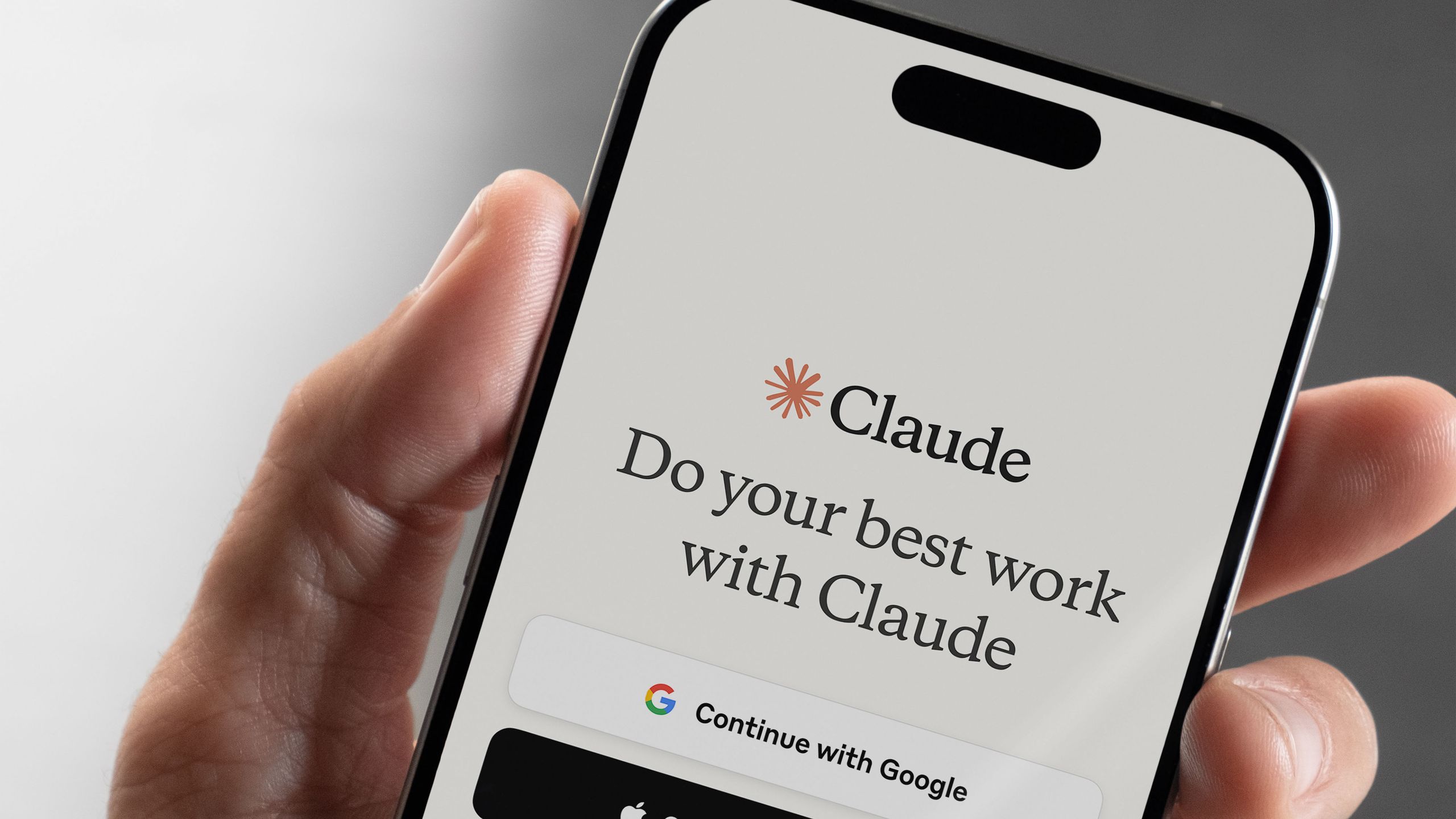
Top password manager company 1Password has launched a new tool that allows artificial intelligence assistant Claude to authenticate on behalf of their user, and thus complete assignments that were previously impossible without major security tradeoffs.
1Password for Claude is built on “zero-exposure architecture” - so in practice, it means Claude can essentially ask 1Password to complete the sign-in process, but it will never see the credentials, and they will never be loaded into its memory.
In turn, 1Password will notify the user, and will request biometric approval before proceeding. Once granted, it will autofill the credentials and check to see if they were exposed on the page or not. If submission fails, it will clear the filled values and report back.
"We need a new security model that is purpose-built for agents, not just humans,” said Nancy Wang, CTO of 1Password. “The answer isn't handing agents your secrets. It is to let a user give an agent permission to use a credential without letting the agent see it. Claude knows it used your login; it does not need the password or one-time code in its context. That distinction is where trust in agents starts and the foundation we're building with Anthropic."
To further strengthen its security posture, 1Password also announced Agentic Mode, a new feature in the browser extension that gives users visibility and control over browser-based AI agents. When a compatible AI agent takes over, the 1Password extension automatically locks down and hides the interface. The agent can only use the logins and OTPs explicitly approved for the current task.
Even if the integration is not set up, and even if 1Password is not required for the current agentic task, Agentic Mode works, the company stressed. Other agents, besides Claude, are supported, as well.
Currently a major debate is ongoing, about how much permissions AI agents should receive, and under what rules. We’ve already seen horror stories of AI agents deleting people’s entire email inboxes, or otherwise ruining days of hard work. Whether or not this picks up or most people remain skeptical about giving AI access to certain services, remains to be seen.
➡️ Read our full guide to the best antivirus
1. Best overall:
Bitdefender Total Security
2. Best for families:
Norton 360 with LifeLock
3. Best for mobile:
McAfee Mobile Security
Follow TechRadar on Google News and add us as a preferred source to get our expert news, reviews, and opinion in your feeds.
Sead is a seasoned freelance journalist based in Sarajevo, Bosnia and Herzegovina. He writes about IT (cloud, IoT, 5G, VPN) and cybersecurity (ransomware, data breaches, laws and regulations). In his career, spanning more than a decade, he’s written for numerous media outlets, including Al Jazeera Balkans. He’s also held several modules on content writing for Represent Communications.
Please logout and then login again, you will then be prompted to enter your display name.