
Dawnzera: Dosage, side effects, uses, interactions, cost, and more
Specifically, the Food and Drug Administration (FDA) has approved Dawnzera to help prevent hereditary angioedema (HAE) attacks in adults and children ages 12 years and older.
Dawnzera is available only as a brand-name medication. It’s not currently available in generic form.
A generic drug is an exact copy of the active ingredient in a brand-name medication. Generics usually cost less than brand-name drugs.
The following information describes dosages that are commonly used or recommended. However, be sure to take the dosage your doctor prescribes for you.
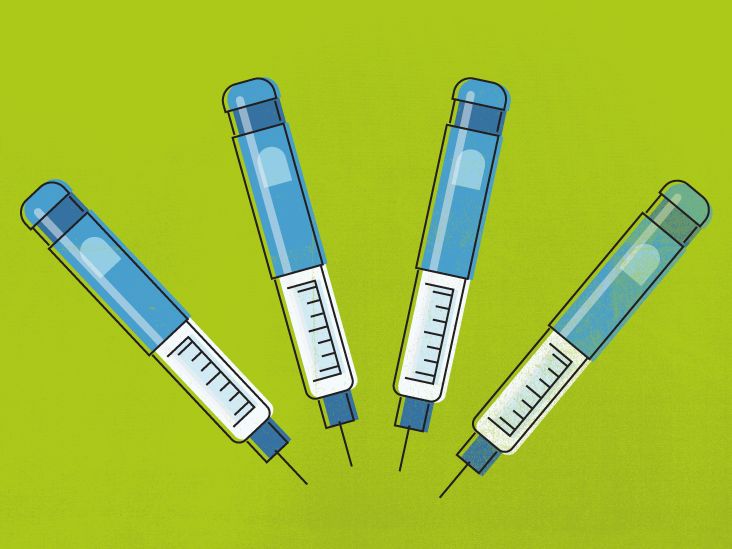
Dawnzera comes as a liquid solution in a prefilled autoinjector. It’s available in one strength: 80 milligrams (mg) in 0.8 milliliters (mL) of solution.
The recommended dosage of Dawnzera is 80 mg once every 4 weeks. Some people may be able to change to a less frequent dosage of 80 mg once every 8 weeks.
Your doctor will determine the best dosage to fit your needs.
The dosage of Dawnzera for children ages 12 years and older is the same as the dosage recommended for adults: 80 mg once every 4 weeks. In some cases, the dosing schedule may be changed to 80 mg once every 8 weeks.
Your child’s doctor will determine the best dosage to fit their needs.
Dawnzera is given as a subcutaneous injection. It comes as a prefilled autoinjector that contains one dose.
Your doctor will teach you or a caregiver how to administer Dawnzera at home. You can also review the steps by watching the instructional video on the manufacturer’s website.
You can inject Dawnzera at the front of your thigh or your abdomen (but not within 2 inches of your belly button). The back of your upper arm is also an option if a caregiver administers the injection.
After use, safely dispose of the autoinjector.
Do not use more Dawnzera than your doctor recommends. For some drugs, doing so may lead to unwanted side effects or overdose.
If you think you’ve used too much of this drug, call your doctor. You can also call America’s Poison Centers at 800-222-1222 or use its online tool. However, if your symptoms are severe, call 911 or your local emergency number or go to the nearest emergency room right away.
Dawnzera can cause mild or serious side effects. The following lists contain some of the key side effects that may occur while taking Dawnzera. These lists do not include all possible side effects.
For more information about the possible side effects of Dawnzera, talk with your doctor or pharmacist. They can give you tips on how to manage any side effects that may be concerning or bothersome.
Note: After the Food and Drug Administration (FDA) approves a drug, it tracks and reviews side effects of the medication. Sharing your experience helps make medications safer for everyone by giving doctors and researchers more information about how the drug works in real life. If you develop a side effect while taking Dawnzera and want to tell the FDA about it, visit MedWatch or call 800-FDA-1088.
Here is a partial list of mild side effects of Dawnzera. To learn about other mild side effects, talk with your doctor or pharmacist, or view Dawnzera’s prescribing information.
Most of these side effects may go away within a few days to a couple of weeks. However, if they become more severe or don’t go away, talk with your doctor or pharmacist.
Serious side effects from Dawnzera aren’t common. Call your doctor right away if you have serious side effects. Call 911 or your local emergency phone number if your symptoms feel life threatening or you think you’re having a medical emergency.
In studies, the only serious side effect was severe allergic reactions.
Dawnzera can cause an allergic reaction. Some people had allergic reactions in the drug’s studies.
In general, symptoms of an allergic reaction can be mild or serious.
For mild allergic reaction symptoms, such as a mild rash near the injection site, call your doctor right away. They may recommend treatments to help manage your symptoms. They’ll also let you know whether you should keep using the medication.
For severe allergic reaction symptoms, such as swelling around the mouth, chest pain, or trouble breathing, call 911 or your local emergency number right away. These symptoms require immediate medical care because they can become life threatening. If you’ve had a serious allergic reaction to Dawnzera, your doctor may recommend a different medication instead.
The Food and Drug Administration (FDA) approves prescription drugs such as Dawnzera to treat or help prevent certain conditions. Prescription drugs may also be prescribed off-label for other conditions. Off-label drug use is when an FDA-approved drug is prescribed for a purpose other than what it’s approved for.
The FDA has approved Dawnzera to help prevent hereditary angioedema (HAE) attacks in adults and children ages 12 years and older.
HAE is a chronic genetic condition that causes repeated episodes of angioedema (sudden swelling under the skin or mucous membranes). Attacks usually start in childhood and may become more serious over time.
Symptoms of HAE attacks vary depending where the swelling occurs. Swelling can affect different parts of the body, such as:
Swelling of the throat or tongue can block the airway and become life-threatening. Anyone who has trouble breathing should seek emergency medical care right away.
HAE attacks can be brought on by things like stress or injury, but sometimes they happen without a clear reason. Since HAE attacks can be unpredictable, doctors may prescribe medications to help prevent them, such as Dawnzera.
In a 24-week
Dawnzera is not approved to treat an acute HAE attack. Instead, your doctor will prescribe rescue medication(s) to use when you’re having an active HAE attack. Ask your doctor if you have questions about your treatment plan.
The FDA has approved Dawnzera to help prevent hereditary angioedema (HAE) attacks in children ages 12 years and older. It’s not known if the drug is safe or effective for children younger than 12 years of age.
Dawnzera is not known to interact with other medications, herbs, supplements, foods, or alcohol. The manufacturer of Dawnzera didn’t look at interactions in clinical trials of the drug. But based on how the medication is broken down in the body, Dawnzera is not expected to cause interactions.
However, this doesn’t mean that interactions won’t be recognized in the future. For example, new drugs could become available that interact with Dawnzera.
Before starting Dawnzera treatment, talk with your doctor and pharmacist. Tell them about all prescription, over-the-counter, and other drugs you take. Also tell them about any vitamins, herbs, and supplements you take. Sharing this information can help you avoid potential interactions.
If you have questions about drug interactions that may affect you, talk with your doctor or pharmacist.
As with all medications, the cost of Dawnzera can vary. The actual price you’ll pay depends on your insurance plan, your location, and the pharmacy you use.
Financial and insurance assistance: If you need financial support to pay for Dawnzera or help understanding your insurance coverage, help is available. A program called Ionis Every Step is available for Dawnzera. For more information and to find out if you’re eligible for support, call 844-444-4305 or visit the program website.
Generic version: Dawnzera is not available in a generic form. A generic drug is an exact copy of the active ingredient in a brand-name medication. Generics tend to cost less than brand-name drugs.
Other drugs are available that can help prevent hereditary angioedema (HAE) attacks. Some may be a better fit for you than others. If you’re interested in finding an alternative to Dawnzera, talk with your doctor. They can tell you about other medications that may work well for you.
If you can become pregnant, consider the following information about pregnancy, birth control, and breastfeeding.
It’s not known whether Dawnzera should be used during pregnancy. If you’re planning a pregnancy or can become pregnant, talk with your doctor before using this medication.
It’s not known whether Dawnzera is safe to use during pregnancy. If you’re sexually active and you or your partner can become pregnant, talk with your doctor about your birth control options while you’re using Dawnzera.
It’s not known whether Dawnzera should be used while breastfeeding. If you’re currently breastfeeding or planning to do so, talk with your doctor before using this medication.
Plasma prekallikrein (PKK) is an inactive protein in your body that turns into plasma kallikrein, a substance that leads to the release of bradykinin. Bradykinin is a chemical that widens blood vessels and causes swelling and pain during HAE attacks. In people with hereditary angioedema (HAE), a lack or malfunction of a protein called C1-inhibitor causes too much plasma kallikrein activity, leading to high bradykinin levels and HAE attacks.
Dawnzera works by attaching to specific genetic material (mRNA) that tells the body how to make plasma prekallikrein (PKK). This triggers a certain enzyme to break down the mRNA, which reduces the amount of PKK protein the body makes. By lowering PKK levels, Dawnzera keeps the body from making too much bradykinin. This can reduce the risk of HAE attacks.
Before starting Dawnzera, discuss your health history with your doctor. Dawnzera may not be right for you if you have certain medical conditions or other factors affecting your health. Be sure to talk with your doctor if any of the following apply to you:
Note: For more information about the potential negative effects of Dawnzera, see the “Dawnzera side effects” section.
Disclaimer: Medical News Today has made every effort to make certain that all information is factually correct, comprehensive, and up to date. However, this article should not be used as a substitute for the knowledge and expertise of a licensed healthcare professional. You should always consult your doctor or another healthcare professional before taking any medication. The drug information contained herein is subject to change and is not intended to cover all possible uses, directions, precautions, warnings, drug interactions, allergic reactions, or adverse effects. The absence of warnings or other information for a given drug does not indicate that the drug or drug combination is safe, effective, or appropriate for all patients or all specific uses.