
DeFi veteran Gauntlet raises $125 million from Japanese financial giant SBI Holdings
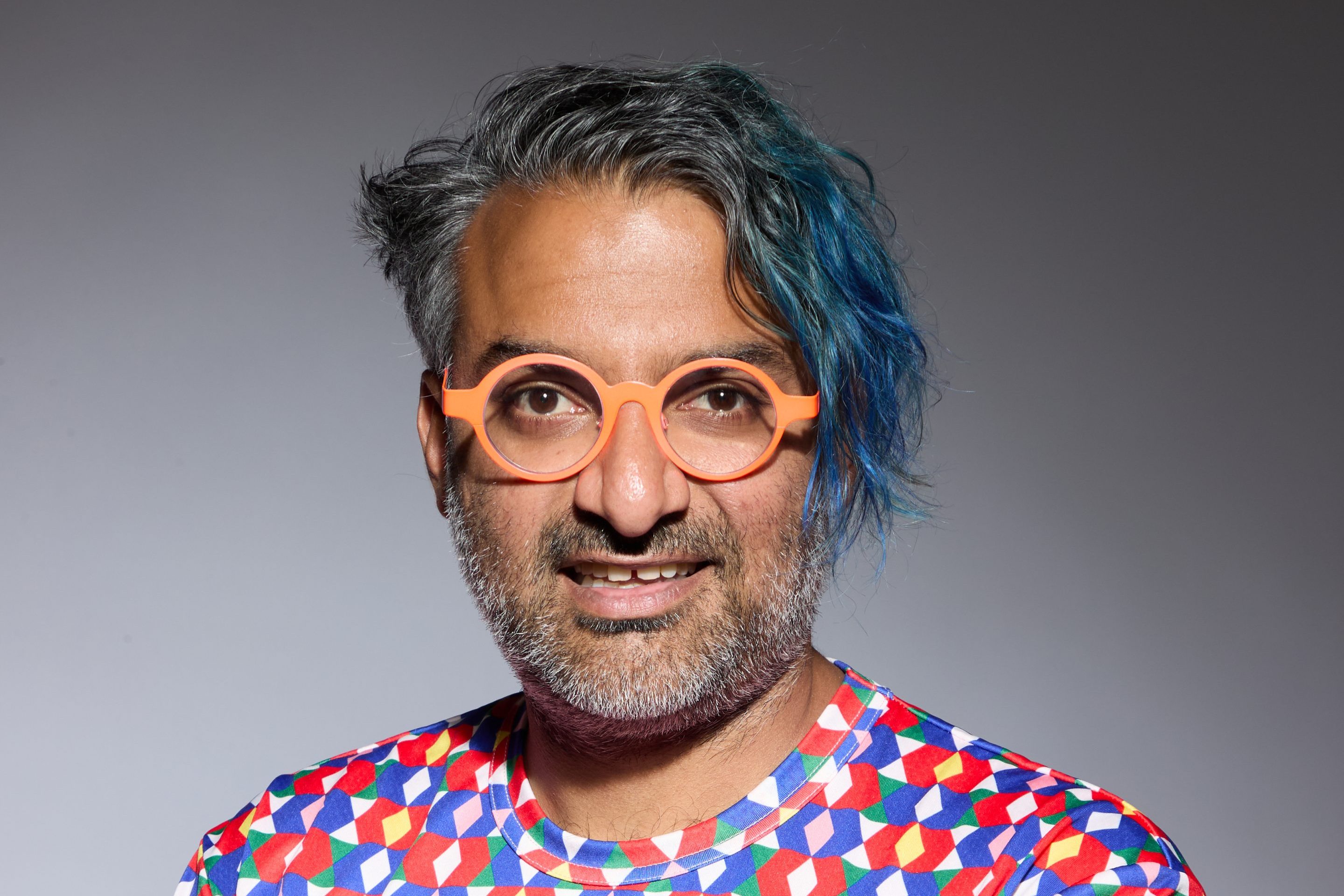
A startup founded during the early days of DeFi is now backed by a financial giant. Gauntlet, which helps institutions and crypto firms allocate their digital assets, raised $125 million from the Japanese financial conglomerate SBI Holdings, the startup’s founder and CEO Tarun Chitra told Fortune.
The round closed in June and had no other participants, he said, declining to specify at what valuation he raised the money. The fundraise is the biggest infusion of capital into Gauntlet since its founding in 2018 and dwarfs the startup’s Series B in 2022, when it raised almost $24 million at a $1 billion valuation in a round led by the marquee fintech investor Ribbit Capital.
SBI, which was spun off from SoftBank in 1999 and is now fully independent, is one of the most active institutional investors in digital assets. Worth more than $10 billion on the Tokyo Stock Exchange, the company has bought up stakes in the crypto lender Morpho, the blockchain company Ripple, and the stablecoin issuer Circle.
“I really think this year SBI will increase our investment activities and even operational activities in the U.S., because of the clarity on regulation and pro-crypto, pro-innovation, pro-competition environment,” Kefei Lin, general manager at SBI, told Fortune.
SBI’s significant outlay of capital into Gauntlet comes as other titans of traditional finance make crypto plays, despite a down market where token prices are struggling. In June, the owner of the New York Stock Exchange established a joint venture with the crypto exchange OKX. That month, Citigroup launched tokenized deposits, or bank deposits put in blockchain wrappers. And Morgan Stanley has integrated crypto trading into its online brokerage.
Gauntlet started as an analytics company that catered to protocols in DeFi, or decentralized finance, a sector of crypto widely seen as the Wild West that promises high yields but can also be high risk.
A former Wall Street quant who worked at D.E. Shaw Research and then the trading shop Vatic Labs, Chitra used his analytical knowhow to stress-test DeFi protocols. Developers hired his company, for example, to identify exploits that bad actors could use to drain a project of its funds.
While Gauntlet originally focused on blockchains, many of its subsequent clients were DAOs, or decentralized autonomous organizations. Crypto developers spun up these entities to manage projects and ensure, in keeping with DeFi’s core ethos, that no centralized entity had outright control over a project. But, recently, that governance model has come out of fashion. “Over time, especially by 2023 and 2024, it became more clear that DAOs were kind of inefficient for managing a lot of DeFi assets,” said Chitra.
Around that time, Gauntlet began to shift its business to what it calls “vault curation.” Vaults are akin to mutual funds. Investors put digital assets into the vehicles and are promised yield. Those vaults, which don’t custody those assets, then use investment strategies to deliver on the promised interest rate.
Gauntlet uses its analytical expertise to evaluate the risks of those “yield strategies” and ensure that quick market changes, for example, won’t leave vault investors high and dry. “We spent all this time analyzing these protocols, and now we’re helping people use them,” said Chitra.
With 40 employees, Gauntlet’s current customers include the asset management giant Apollo, the crypto exchange Coinbase, and the stablecoin issuer Circle.