
DLBCL relapse: Symptoms and when to contact a doctor
Numerous symptoms may indicate a possible relapse of diffuse large B-cell lymphoma.
A relapse, when the lymphoma returns after a period of being in remission, can cause a variety of symptoms, such as swollen lymph nodes, night sweats, and abdominal pain.
It is important to note that symptoms of a relapse may differ from symptoms that were presented with the condition previously. They may also occur in different places or with a different intensity.
Learn more about symptoms that may indicate a possible relapse of diffuse large B-cell lymphoma and when to contact a doctor.
Swollen lymph nodes are a symptom of DLBCL. They can indicate a relapse of diffuse large B-cell lymphoma.
In diffuse large B-cell lymphoma, the body produces an excessive number of B cells. These are a type of white blood cell known as B lymphocytes.
The body typically uses B cells to create antibodies that help fight off infections. However, in diffuse large B-cell lymphoma and other types of lymphoma, these B cells mutate and can become cancerous.
When this happens, the cancerous cells can accumulate in the lymph nodes, causing them to swell or enlarge. This can occur in any lymph node throughout the body, including those in the armpits, neck, and groin.
Swollen lymph nodes may feel like lumps underneath the skin. They may not cause any pain.
It is important to remember that swollen lymph nodes do not necessarily mean a relapse of diffuse large B-cell lymphoma. Enlarged lymph nodes may also be due to a virus or bacterial infection, and other symptoms, such as a sore throat, cough, or runny nose, may also be present.
They often occur together. Not everyone with diffuse large B-cell lymphoma experiences these symptoms — according to Lymphoma Action in the United Kingdom, symptoms are present in 1 in 3 people.
They are called B symptoms due to the staging system used in lymphoma. “A” refers to having none of these symptoms, and “B” means having one or more of them.
Research from
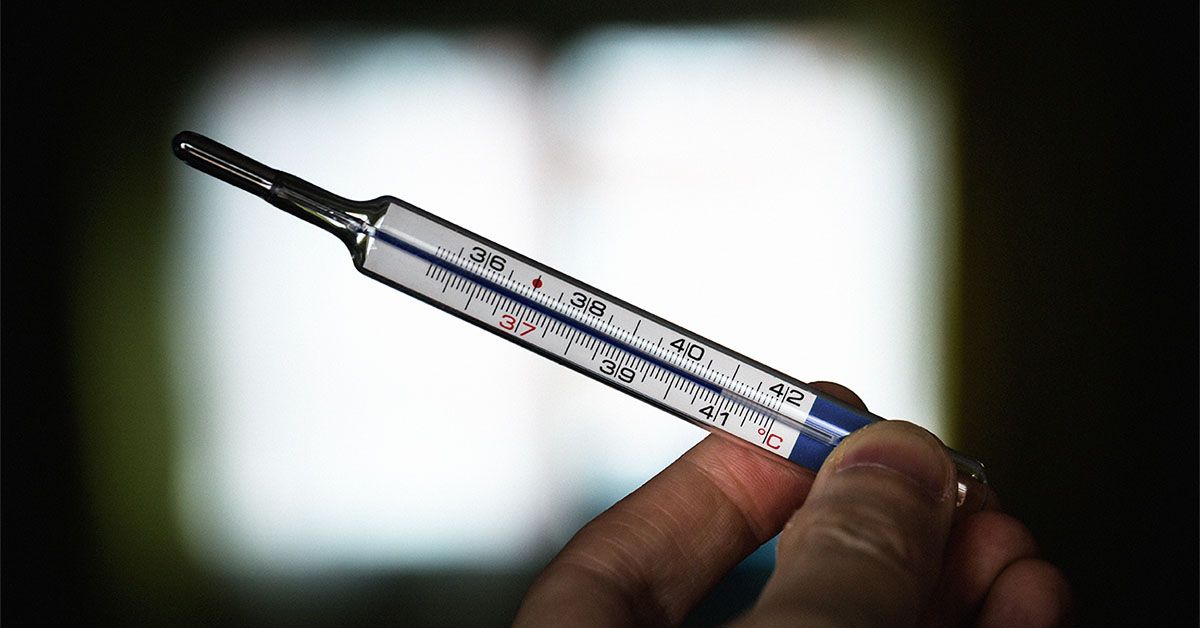
A high fever is considered a body temperature above 100.4°F (38°C). In cases of lymphoma, fevers are typically considered “low grade” or mild and may only be a little bit higher than usual body temperature.
While sweats from lymphoma can occur at any time of day, many people report a higher frequency at night. These sweats may be so intense that they cause drenching of bed sheets and clothes, making them soaking wet.
Unexplained weight loss is considered to be losing weight over a 6- to 12-month period without trying to.
A relapse of diffuse large B-cell lymphoma can cause some people to lose their appetite. The enlargement of organs may be the reason behind this.
The spleen helps filter blood and store immune cells as part of the lymphatic system. If diffuse large B-cell lymphoma relapses, a buildup of B cells in the spleen can occur, causing it to swell. This can, in turn, press on nearby organs.
The liver may also swell for a similar reason.
Due to the enlargement of organs in the abdominal area, a person can feel “full” after only eating a small amount of food, and may lose their appetite as a result.
However, there can be other reasons people lose their appetite or only eat a small amount of a meal, such as gastroparesis, a condition where the stomach empties food into the small intestine much more slowly than usual. It can appear similar to symptoms of DLBCL in some cases.
If diffuse large B-cell lymphoma relapses, swelling may occur in multiple lymph nodes. While some of these lymph nodes are just underneath the skin, others can be found deeper in the body, such as in the abdomen.
Lymph nodes in the abdomen that are inflamed are referred to as mesenteric lymphadenitis. This can cause pain in the abdominal area, most typically on the lower right side. The pain may also spread across the abdomen.
Enlargement of organs such as the spleen due to relapse may also cause pain in the abdomen. This may feel like pain behind the ribs on the left side of the body.
While this can be a sign that diffuse large B-cell lymphoma has relapsed, pain in the abdomen can also be a sign of other issues, such as constipation, appendicitis, or a stomach virus.
It is important to remember that many of the symptoms that may indicate a relapse of diffuse large B-cell lymphoma may also be due to other factors.
However, it is advisable for anyone experiencing any of the following symptoms to contact a doctor to receive appropriate treatment and rule out a relapse:
Around 30% to 40% of people will experience a relapse. Sometimes, a relapse is detected during follow-up scans or tests. But many people experiencing a relapse are symptomatic.
Research from
Since not everybody will develop symptoms, it is also important to work closely with a doctor and attend follow-up scans even if no symptoms develop.
While the majority of people treated for diffuse large B-cell lymphoma go into remission, 30% to 40% will experience relapses. Among those who experience relapses, 83% will have symptoms.
The symptoms can include swollen lymph nodes and B symptoms, which include night sweats, fever, and unexplained weight loss. Abdominal pain and loss of appetite may also occur.
Contact a doctor if symptoms develop. It is also important to attend follow-up appointments, since not everybody will experience symptoms of a relapse.