
Does Wegovy stay in your system very long?
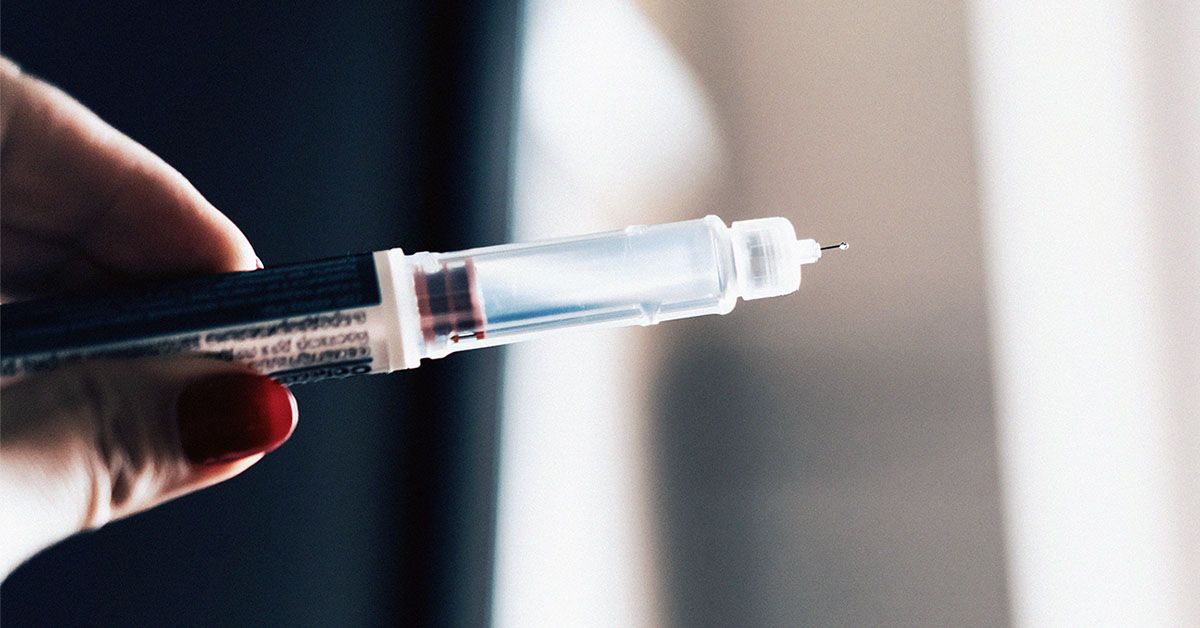
People using Wegovy may want to know more about how long the drug stays in the body. For example, they may want to know how long it will take for Wegovy side effects to end after stopping treatment.
As it generally takes around
According to Wegovy’s prescribing information, semaglutide (Wegovy’s active ingredient) remains present in the body for 5 to 7 weeks after the last 2.4 milligram (mg) or 25 mg dose. These are the usual recommended maintenance dosages of Wegovy, for the injection and oral tablet, respectively.
A single 0.25 mg dose of Wegovy remains in the body for at least 7 days, based on the drug’s half-life.
If you’ve been using Wegovy at the 0.25 mg dose, the drug will likely remain detectable in your system longer than 7 days. But it’s not currently clear exactly how long it will remain. There currently aren’t studies evaluating how long it takes the body to get rid of a 0.25 mg dose of Wegovy when you’ve used the drug for a longer period of time.
It’s important to note that the 0.25 mg dose is typically used as a starting dose for the Wegovy injection and isn’t intended for long-term use, so it can be difficult to estimate how long it lasts in the body.
To date, no study has evaluated the duration of a single injection of the 1.7 mg dose of Wegovy in the body.
However, after using Wegovy at a 1.7 mg dose for several weeks or longer, the medication will likely stay in the body for approximately 5 to 7 weeks.
Wegovy is generally a long-term treatment. The injection is given once weekly, and the oral tablet is taken once daily. Some people believe that Wegovy’s effects will wear off between doses. At the start of treatment, when you’re taking a lower dose, 0.25 mg or 0.5 mg of the injection or 1.5 mg of the oral tablet, you might feel that its effects are reduced by around day 4 or 5.
However, this should go away with time. Once you’ve been taking the medication consistently for several weeks, the drug builds up to a steady-state concentration in your blood, allowing its effects to continue for the whole week between doses.
If you’d like to discontinue Wegovy treatment, the best way to do so safely is to talk with your doctor.
When you stop using Wegovy, you may experience symptoms such as increased appetite or mood changes. This is due to changes to your blood sugar and GLP-1 levels after stopping the medication. (GLP-1 is a hormone made naturally by the body, which affects several processes in the body, including blood sugar and insulin regulation and appetite.)
Stopping Wegovy, especially abruptly, can lead to weight regain. And if you’re taking the medication to lower certain cardiovascular risks, these risks can increase after you stop using Wegovy.
By working with your doctor, you can develop a plan to mitigate these risks and maintain a healthy weight after stopping treatment.
Wegovy can remain in your system for up to 7 weeks after your last dose. There is currently no known way to get Wegovy out of your system faster.
Your body gets rid of Wegovy by eliminating it through urine and feces. This process occurs over time until Wegovy is completely eliminated from your body.
Forcing your body to urinate or defecate more won’t speed up how quickly Wegovy leaves your system. But it can increase your risk for dehydration, electrolyte depletion, and other health complications.
After a single dose, Wegovy can stay in your system for 7 days or longer, depending on the dose. And after using the medication for several doses, it can remain in your system for up to 5 to 7 weeks.
If you’re interested in stopping Wegovy, it’s best to talk with your doctor or pharmacist rather than doing so on your own. They can work with you to develop a plan to maintain a healthy weight and lower cardiovascular risks after you stop treatment.
Disclaimer: While Medical News Today strives for factual, comprehensive, and current information, this article is not a substitute for a licensed healthcare professional’s expertise. Always consult a doctor before taking or discontinuing any medication. Drug information is subject to change and may not cover all uses, directions, precautions, warnings, interactions, reactions, or adverse effects. The lack of a warning does not guarantee a drug’s safety, effectiveness, or appropriateness for all patients or specific uses. Learn more about our approach to content integrity.