
End of an era: BBC turns off its Radio 4 Long Wave broadcast ahead of a full platform shutdown on June 30
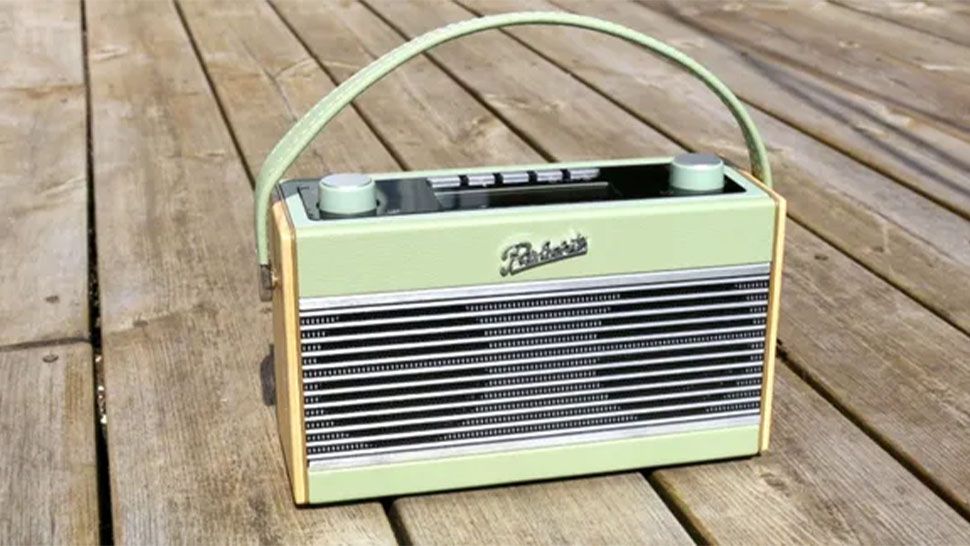
If you still rock a retro, decades-old radio (and live in the UK), you're probably going to have to pop down to your local electronics store, because it's well on its way to becoming defunct.
BBC 4, the last radio station in the UK to use Long Wave (LW) radio, has now been taken off the airwaves. And by that I mean, it's still going digitally and on FM analog radio, but it's the final station to be taken off BBC's Long Wave service — and thus, the power there has been switched off.
This follows a several-decades-long trend, which started in 1995 when the Beeb launched its first-ever DAB broadcast. Over time, digital-only stations and the slow shutdown of aging long-wave tech has made digital one of the preferred ways to listen.
Although several medium-wave and FM radio broadcasts persist, most people listen to their stations via digital audio in 2026, with spoken word and songs converted into binary rather than the warmer, imperfect oscillations of wave-based radio. And I've got to tell you: that's the way it'll continue.
This format shutdown will reduce the complexity of the BBC's stretched multi-signal operation. In theory, it will increase accessibility — you can listen to digital signals wherever you are in the world, without needing to be within signal range — but some listeners with limited internet access or technological ability may be cut off.
For better or worse, this is the way it's going. The UK government is consulting on plans for TV to follow suit, with terrestrial TV proposed to be removed by 2034 or, possibly, 2044.
The proposals are facing the same criticism of reducing access to programming, though an eight-year lead-up gives people plenty of time to upgrade. That's especially true given that all of the best TVs these days are, let's face it, smart ones.
According to the BBC, roughly a third of a million viewers only have access to Freeview currently, and the corporation threatened that channels may be shut down if it's forced to support terrestrial for much longer. It'll depend on the consultation process.
It's too late for long wave radio though which, in the UK, now joins the dinosaurs and passenger pigeon in the category of 'things which are extinct'.
At least we know its death wasn't for nothing: it'll keep the BBC ticking along for a little while longer.
➡️ Read our full guide to the best turntables
1. Best overall:
Pro-Ject Debut Carbon Evo
2. Best cheap beginner deck:
House of Marley Revolution
3. Best budget Bluetooth deck:
Audio-Technica AT-LP70XBT
4. Best premium Bluetooth deck:
Cambridge Audio Alva TT V2
Follow TechRadar on Google News and add us as a preferred source to get our expert news, reviews, and opinion in your feeds.
Tom Bedford is a freelance contributor covering tech, entertainment and gaming. Beyond TechRadar, he has bylines on sites including GamesRadar, Digital Trends, Android Police, TechAdvisor, WhattoWatch and BGR. From 2019 to 2022 he was on the TechRadar team as the staff writer and then deputy editor for the mobile team.
Please logout and then login again, you will then be prompted to enter your display name.