
Endometriosis and hair loss: Causes and finding support
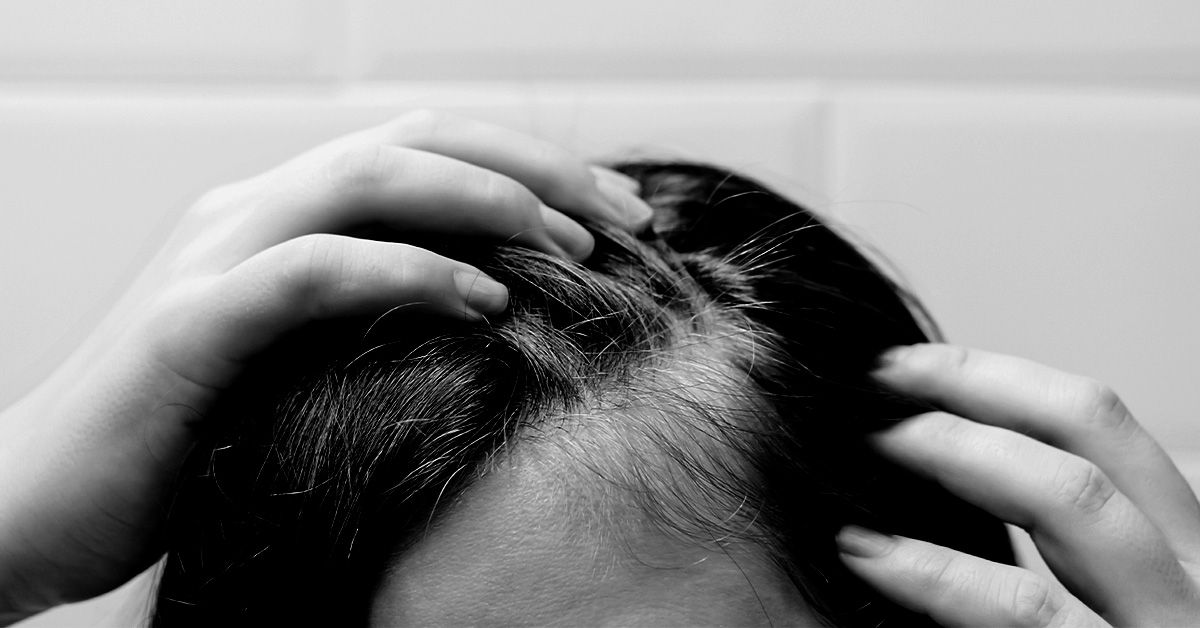
Endometriosis can cause various symptoms, including severe menstrual pain, heavy periods, and fatigue. Some people with endometriosis may also notice changes to their hair, which could link to their symptoms or treatments.
People with endometriosis who experience hair loss can speak with a healthcare professional for more help. In some cases, they may have additional health issues that require treatment.
A 2021 study in Taiwan suggests that people with endometriosis have a significantly increased risk of alopecia areata, an autoimmune condition that causes the body to attack hair follicles.
However, most current research does not directly link endometriosis and hair loss. More research is necessary to understand if there is a causal link between endometriosis and hair loss.
Hair loss can be due to conditions that occur alongside endometriosis. Similarly, factors related to endometriosis, such as stress and certain medications, may affect a person’s hair.
Endometriosis treatments
Danazol (Danocrine) is one such medication that doctors may prescribe for endometriosis. It stops the release of certain hormones involved in the menstrual cycle.
Adverse side effects of danazol
According to a 2025 review, there is a bidirectional relationship between stress and hair loss. This means stress can trigger or worsen hair loss, and hair loss can worsen stress and mental health in turn.
A 2023 study in Saudi Arabia also suggests a dose-response relationship between stress and hair loss. This means that higher levels of stress correlate with increased hair loss.
Various factors may contribute to higher stress levels in people with endometriosis, including symptoms, ineffective treatments, and misdiagnoses.
Nadine talks about her experience with mistreatment, misdiagnosis, and living with endometriosis as a Black woman.
A 2024 study suggests that people with endometriosis have a significantly higher risk of iron-deficiency anemia.
Another
According to the United Kingdom’s National Health Service (NHS), hair loss is a less common symptom of iron-deficiency anemia. People may notice it when brushing or washing their hair.
Some routine hair loss is natural. People tend to shed between 50 and 100 hairs every day, and do not usually notice. However, if people experience clumps of hair falling out or notice bald patches, there may be an underlying cause to pay attention to.
Many factors can contribute to hair loss, but speaking with a healthcare professional can help someone learn the underlying cause.
It is a good idea to speak with a healthcare professional if someone notices they are losing significant amounts of hair.
It is natural to shed up to around 100 hairs every day. However, most people will not notice this natural shedding. Hairs may fall out throughout the day or when someone washes or brushes their hair.
Hair loss can be distressing, no matter the underlying cause. It may affect a person’s confidence and self-esteem, as well as their general mental health.
Endometriosis can affect a person’s mental health, especially if they’re experiencing other health issues such as hair loss. The following organizations offer peer support and a place for people to share their experiences:
Current research does not support the idea that endometriosis can directly cause hair loss. However, it may increase the risk of conditions that cause hair loss. Endometriosis symptoms and treatments may also contribute to hair loss.
Some hair loss is natural. However, if a person starts experiencing significant hair loss, it is a good idea to speak with a doctor to diagnose the underlying cause.
In some cases, adjusting endometriosis treatments may help reduce hair loss. In other cases, people may need additional treatments for other health issues.