
Enteroscopy: What to expect and how to prepare
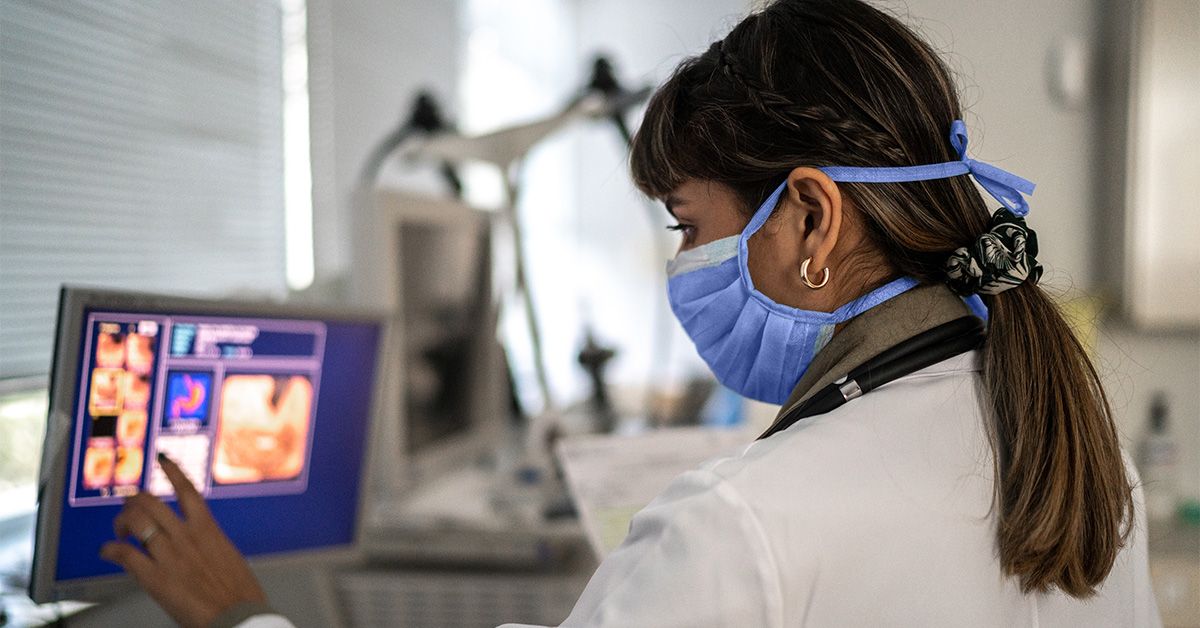
An enteroscopy is a procedure that uses a flexible tube called an endoscope to examine inside the small intestine.
Enteroscopy is a nonsurgical procedure to diagnose and manage conditions of the small intestine.
During an enteroscopy, a doctor inserts an endoscope through the mouth or rectum to reach the small intestine.
An endoscope is a long, thin, flexible tube with a camera attached to one end. This allows a doctor to see images of the small intestine on a monitor to check for any problems or carry out treatment.
This article looks at the purpose and types of enteroscopy, potential benefits and risks, what to expect during and after the procedure, and alternatives.
Both procedures diagnose gastrointestinal issues but focus on different parts of the digestive tract.
Upper endoscopy (EGD) examines the upper digestive tract (esophagus, stomach, duodenum) through the mouth using a standard flexible scope.
Enteroscopy is a longer and more advanced procedure that goes deeper into the small intestine, to a part called the jejunum, and beyond. Access is through the mouth or rectum.
The purpose of enteroscopy is to diagnose and manage a variety of conditions and diseases of the small intestine.
Enteroscopy may help prevent the need for more invasive techniques, such as surgery, which may have an increased risk of complications.
The small intestine can be a difficult area to examine, due to its length, small diameter, and position within the body.
Enteroscopy provides a safe and effective way to examine the small intestine for any problems or signs of disease, and to carry out any necessary treatment.
With an upper, or oral, enteroscopy, a doctor inserts the endoscope through the mouth and down the throat, passing it through the esophagus and stomach to reach the small intestines.
A lower, or rectal, enteroscopy inserts the endoscope through the rectum and passes through the colon to reach the small intestines.
The choice to insert the endoscope orally or rectally depends on which area of the small intestine needs examining.
A double balloon, or push-pull enteroscopy, uses two balloons that inflate and deflate to move the endoscope through the small intestine.
According to a 2024 study, double balloon enteroscopy is the gold standard for examining the small intestine.
An overtube is a sleeve-like plastic tube that covers the endoscope, helping it travel more smoothly through the gastrointestinal tract.
One balloon attaches to the end of the endoscope, and the other attaches to the end of the overtube. An air pump system inflates and deflates the balloons to grip the intestine, allowing it to travel deep into the small intestine.
A single balloon, or a push enteroscopy, uses one balloon that inflates and deflates. It is a less complex procedure than double balloon enteroscopy.
With single balloon enteroscopy, the balloon is attached to the end of the overtube. An air pump system inflates and deflates the balloon to move the endoscope through the small intestine.
According to a 2019 article, enteroscopy has a high success rate and is effective for diagnosing a wide range of conditions of the small intestine.
Enteroscopy allows doctors to examine deep within the small intestine, which is hard to reach, without the need for surgery.
Enteroscopy is a minimally invasive procedure, and balloon-assisted enteroscopy has long-term evidence of its safety and effectiveness.
Before having an enteroscopy, you may need to stop drinking and eating for a period of time. This is to ensure the intestines are empty, which provides a clear view for the doctor. The medical team will tell you when to start fasting.
It is also important to speak with a doctor about any medications you are taking, as these may affect the procedure.
Due to the effects of sedation, you will not be able to drive right away, so arrange for someone to take you home.
After the enteroscopy, nurses will monitor you in a recovery area. This is to make sure you recover fully from the sedation before leaving, and to check for any complications from the procedure.
A doctor may give you the results of the enteroscopy before you leave. If not, they will contact you to discuss your results and let you know if you need to have any further tests or treatment.
Enteroscopy uses an endoscope to view inside the small intestines to check for any problems.
In general, enteroscopy is a safe and effective procedure that can help diagnose many different conditions of the small intestines.
It is important to discuss the potential benefits and risks of enteroscopy with a doctor before having the procedure.