
Europe — analysis from NewsBriefing.eu
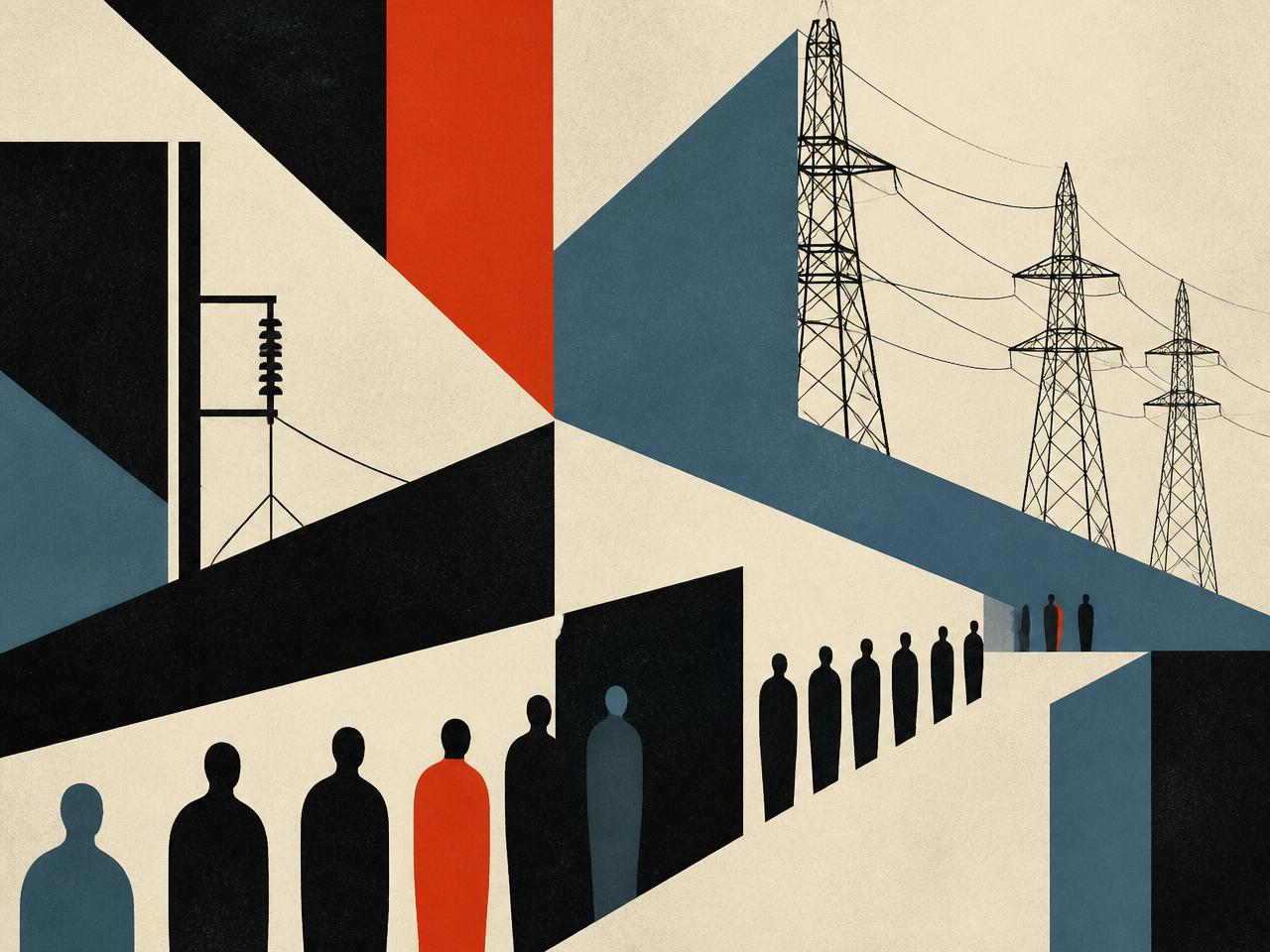
A joint letter warns the regulation threatens supply security as Brussels prepares to enforce methane-intensity thresholds on fossil fuel imports from 2027, with penalties reaching 20% of turnover by 2030.
A surge of 72,000 migrants into the Spanish enclave in late July killed at least 75 people and revealed how quickly member states fracture when one faces external pressure.
Only 13% of employed euro-area workers actively search for a new post versus 19% in the US, but the motivation gap is wider than the participation gap.
Renewed US-Iran strikes over the Strait of Hormuz have pushed Brent crude above $85 a barrel, scrambling market expectations for the ECB's July 22 meeting and reviving fears of a second inflation spike.
The Council of the European Union has adopted reforms that simplify compensation procedures while keeping existing payout thresholds intact. Rules take effect in mid-2027.
European Parliament backs mandate for talks with member states on legal framework; ECB aims for citizen access in 2029 after pilot in mid-2027, with €3,000 holding limit proposed to calm bank deposit fears.
The economic and monetary affairs committee approved the legislative framework after three years of negotiation, clearing a path for a 2029 launch if member states and the full parliament agree by year end.
Kyiv's battlefield experience and defence innovation are reshaping European security debates, with Germany and the European Commission proposing deeper integration before full EU membership.
Economic and monetary affairs committee votes to advance legislation after years of deadlock, with MEPs framing the project as a geopolitical necessity rather than a purely monetary one.
Brussels summit will test whether France and Germany can agree on sector-specific tariffs and a European version of the US Section 301 tool as the goods deficit with China reaches €360 billion.
The 109-page legislative programme targets asset declarations, public procurement and hidden oligarch wealth, going beyond the European Commission's 27 super milestones that Orbán's governments failed to meet.
The European Central Bank lifted its benchmark deposit rate by a quarter point for the first time since September 2023, citing energy price shocks from the Middle East conflict that have pushed eurozone inflation well above target.
Deposit rate moves to 2.25% with markets pricing two more hikes by spring 2027, but Deutsche Bank warns the tightening cycle will stop after September as growth weakens.
The European Central Bank is expected to lift its deposit rate to 2.25% on Thursday, confronting a renewed surge in energy costs that has pushed headline inflation to 3.2% and core inflation to 2.5% in May.
Governing council meets Thursday with markets pricing a quarter-point move while finance ministers gather in Luxembourg to revive the long-delayed plan for a single EU capital market.
May flash estimate exceeds ECB target by more than a percentage point, locking in expectations of a rate hike at next week's meeting while Germany, France and southern members diverge sharply.
Brussels has opened the first accession treaty working group in 17 years for Montenegro, but disagreement over veto rights, staged integration and institutional reform threatens to stall wider enlargement.
Spain, Italy, France, the Netherlands and Lithuania have signed a joint paper urging the Commission to adopt faster safeguards, broader anti-circumvention powers and a new resilience instrument before Friday's China policy debate.
Senior economists argue the central bank is misreading stagflation driven by energy costs and risks turning a slowdown into a contraction.
Mārtiņš Kazāks says energy shock from Strait of Hormuz closure pushes euro area between baseline and adverse scenarios, while dismissing hopes that Russian economic pain will end Ukraine war.
Bank of Malta governor breaks with dovish colleagues to warn that even a ceasefire may not lower energy prices enough to avoid tightening at June meeting.
The European Central Bank left its deposit facility rate unchanged despite April inflation surging to 3% and the Iran war driving energy costs higher, signalling a June hike remains possible but not guaranteed.
Both central banks meet Thursday with inflation above target but growth weakening; economists expect a pause now and a possible ECB hike in June while the BOE may stay on hold all year.
Brussels says member states add costly requirements when transposing EU laws, then blame the Commission for the resulting red tape. The executive wants to cut administrative burdens by 25 percent and save €37.7 billion annually by 2029.
The European Commission has presented a package of emergency and structural measures after the bloc spent an extra €24 billion on energy imports since the Middle East conflict erupted, with jet fuel supplies through the Strait of Hormuz the most immediate vulnerability.
Delivered to your inbox on the days we publish. No daily digest, no push notifications, no advertising.