
Florida targets ‘hidden’ restaurant fees—what are other states doing?
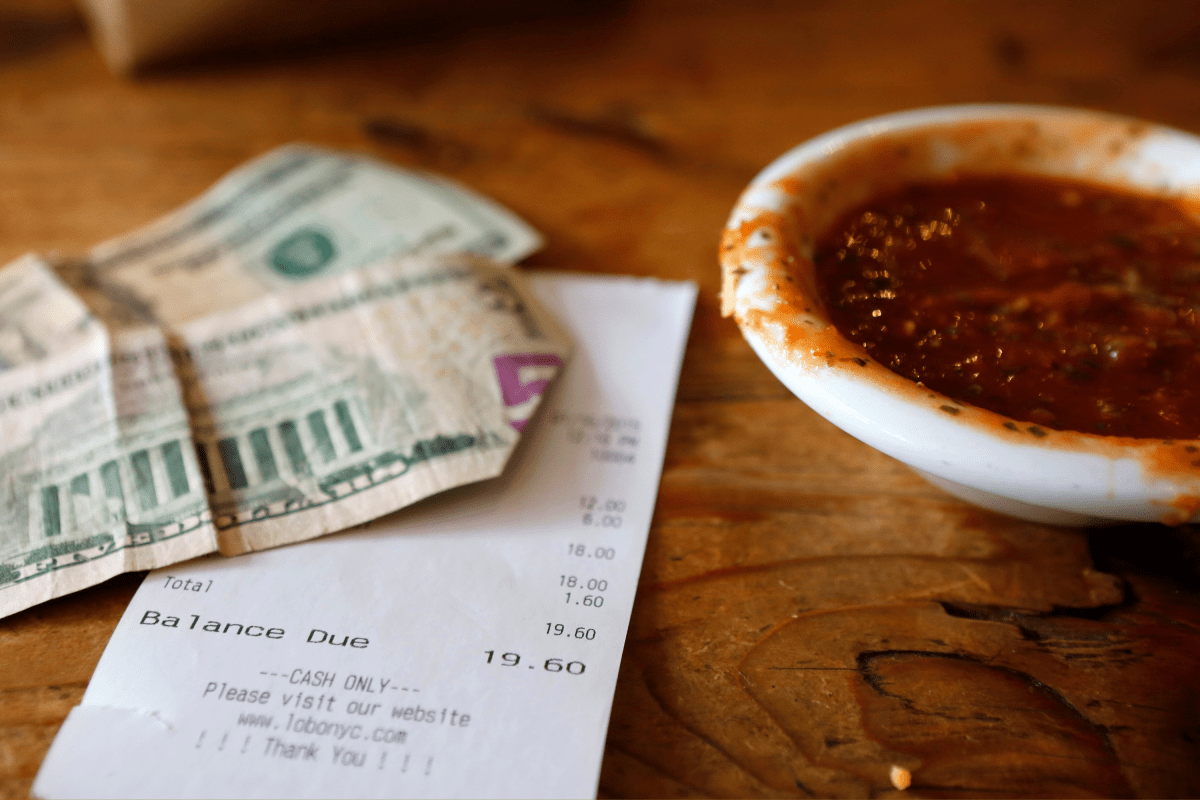
Florida is set to overhaul how restaurants display extra charges on dining bills, introducing one of the most stringent transparency laws in the U.S. as policymakers respond to growing frustration over so‑called “hidden” fees.
The new measure—often referred to as the state’s “operations charge” law—was signed by Governor Ron DeSantis and is due to take effect on July 1, 2026.
Under the legislation, restaurants and other food-service businesses must clearly disclose any mandatory fees that are added on top of the standard menu prices. These charges can include service fees, automatic gratuities, credit card surcharges, or delivery fees.
In short, the rule doesn’t ban restaurant surcharges—but it forces businesses to show them upfront so customers know the full cost of a meal before committing.
The push for this change reflects mounting complaints from diners who say they’re routinely surprised by extra charges at the end of a meal.
One person posted on Facebook that they were, “So sick of getting hit with random 'surprise fees' at the end of a meal. Clear transparency is 100 percent needed. If a restaurant wants to charge a split-plate or credit card fee, just own it and put it on the menu. It shouldn't be a guessing game!”
In some cases, customers report being charged multiple overlapping fees—such as a service charge and a preset gratuity—while still being prompted to leave an additional tip.
Lawmakers say the lack of transparency has eroded trust and made it harder for consumers to compare prices accurately. The new rules are designed to eliminate what critics describe as “bait-and-switch” pricing, where menu prices appear lower than the final bill.
For diners, the changes are intended to bring clarity to restaurant pricing.
Supporters argue that the law will reduce confusion and prevent unexpected costs, while giving consumers more control over their spending.
Florida’s crackdown is part of a rapidly growing patchwork of state-level “junk fee” and pricing transparency laws, many of which already touch restaurants—although few are as targeted as Florida’s new rule.
At the federal level, the Federal Trade Commission’s Rule on Unfair or Deceptive Fees took effect in May 2025, but it doesn’t apply to restaurants. Instead, it focuses on industries like ticketing and short-term lodging.
That gap has left individual states to take the lead—prompting a wave of legislation aimed at forcing clearer pricing.
California has one of the most aggressive frameworks, and was one of the first states to address transparent pricing in restaurants and food outlets.
It's “honest pricing” or “hidden fees” law (SB 478), which came into effect on July 1, 2024, requires all businesses—in and outside of the restaurant industry—to include all mandatory fees in the advertised price, meaning “the price a Californian sees should be the price they pay.”
For restaurants specifically, a follow-up law (SB 1524), which was enacted in 2025, allows service charges but requires that they be clearly and conspicuously disclosed with their purpose before purchase.
A September 2025 regulation requires businesses to disclose the total price upfront and clearly explain the nature, purpose, and amount of any fees at the point the price is first shown.
Both states have introduced cross-industry “junk fee” laws, requiring businesses to present either total pricing or clear disclosure of mandatory charges before purchase.
These states have passed broader consumer protection laws targeting hidden fees and misleading pricing practices, often requiring upfront disclosure of total costs in advertising.
Taken together, these laws show a clear trend: states are increasingly requiring businesses to either include fees in the headline price or prominently disclose them before checkout.
Under state law, service charges are often presumed to be tips and 100 percent of the money should go to the worker, unless clearly explained otherwise, meaning restaurants must be explicit about where the money goes.
In New York City, rules require any surcharge or mandatory gratuity to be “conspicuously disclosed” before customers order, such as on menus or signage.
While not framed as a “junk fee ban,” the effect is similar: restaurants must clearly communicate fees up front to avoid misleading customers.
Florida’s law stands out because it is restaurant-specific and highly prescriptive, spelling out exactly how and where fees must be displayed.
That could make it a test case. If it reduces consumer complaints without significantly harming restaurant operations, lawmakers elsewhere may adopt similar rules tailored specifically to dining—rather than relying on broader consumer protection laws.
For now, the direction of travel is clear, namely that states are moving toward “all-in pricing” or upfront disclosure, and Florida’s law fits squarely within that broader push to eliminate surprise charges at checkout.