
Gas boiler vs solar, battery and heat pump: Which is cheaper?
Germans could save thousands by ditching gas heating – even if they have to take out a loan to electrify their homes.
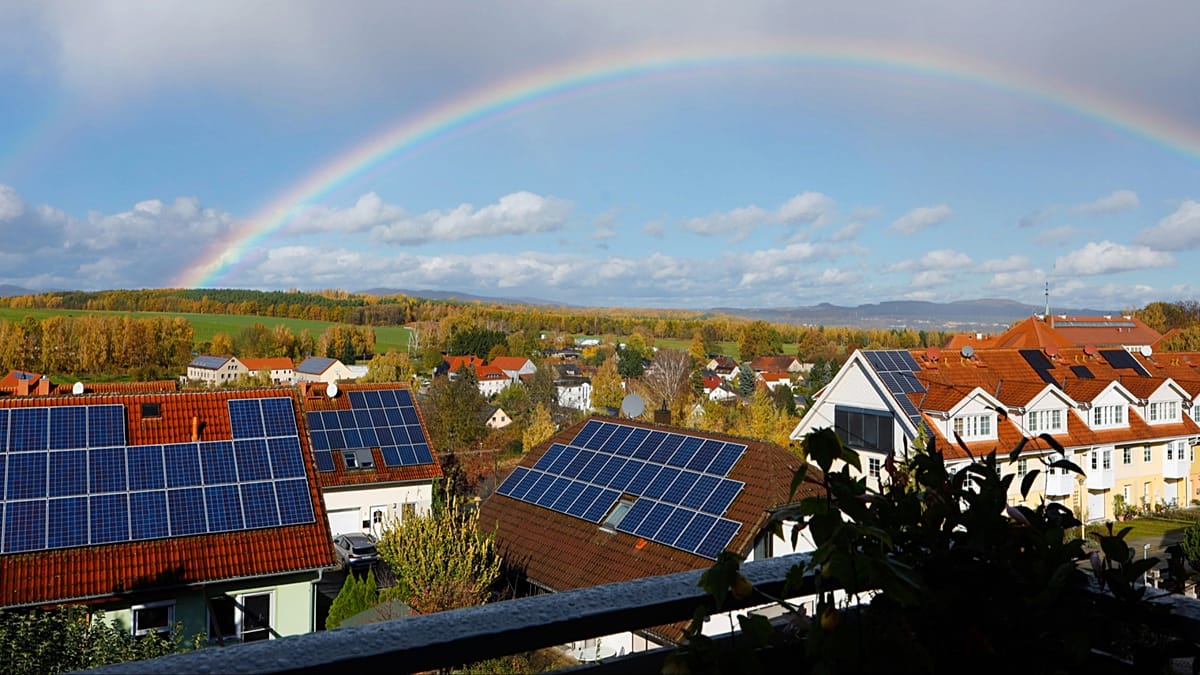
A new analysis by clean-tech brand 1KOMMA5° compared a €10,000 new gas heating system with a €60,000 package consisting of solar panels, battery storage, a heat pump and an intelligent energy management system.
It found that the clean set-up costs €104,542 over 25 years, based on an interest rate of 5.99 per cent, a government subsidy of €16,500, and savings on energy costs.
The gas-heated equivalent, which factors in rising gas prices, cost €116,993 during the same period. This means that the switch to solar panels, a battery storage system and a heat pump could save households a staggering €12,451.
“Homeowners should not be blinded by the pure acquisition costs,” says Jannik Schall, head of product and co-founder of 1KOMMA5°.
Financing the switch from gas to electric through an installment purchase – where you spread the cost over time through fixed monthly payments – lets homeowners benefit from predictable costs, lower bills and “energy independence”, rather than facing the rising and unpredictable costs of operating a fossil-fuelled gas system, Schall explains.
“It’s already economical from the first month,” he adds.
1KOMMA5° says pairing the technology with an intelligent energy management system could cut electricity bills by up to €42 per month. This is where energy generated by a home’s solar panels is automatically used, stored or traded on the electricity market at favourable times, meaning households purchase less electricity when prices are high.
It is not the same as a smart meter, which can also help lower energy bills by encouraging consumption during low-demand times.
“The electrification of the home reduces energy costs so much that even long-term installment financing is worthwhile,” Schall adds. “If you can pay off the system faster, the advantage over gas heating increases.”
Last year, heat pumps became the best-selling heat technology in Germany, accounting for almost half (48 per cent) of all new heating systems sold in the country. This marks a 21 per cent increase compared to 2024.
Despite the boom, Germany recently back-peddled on its green heating law – which would have required new heating systems to be powered by at least 65 per cent renewable energy.
Plans to ban new oil and gas heating systems were also scrapped, in what critics say could be “catastrophic” for the climate.
The “significant watering down of key provisions… postpones necessary decisions and will ultimately make the transition more expensive and more chaotic,” says Jan Rosenow, professor of energy and climate policy at Oxford University, adding that “the buildings sector has been missing its climate targets for years”.