
Getting a dental implant in older age
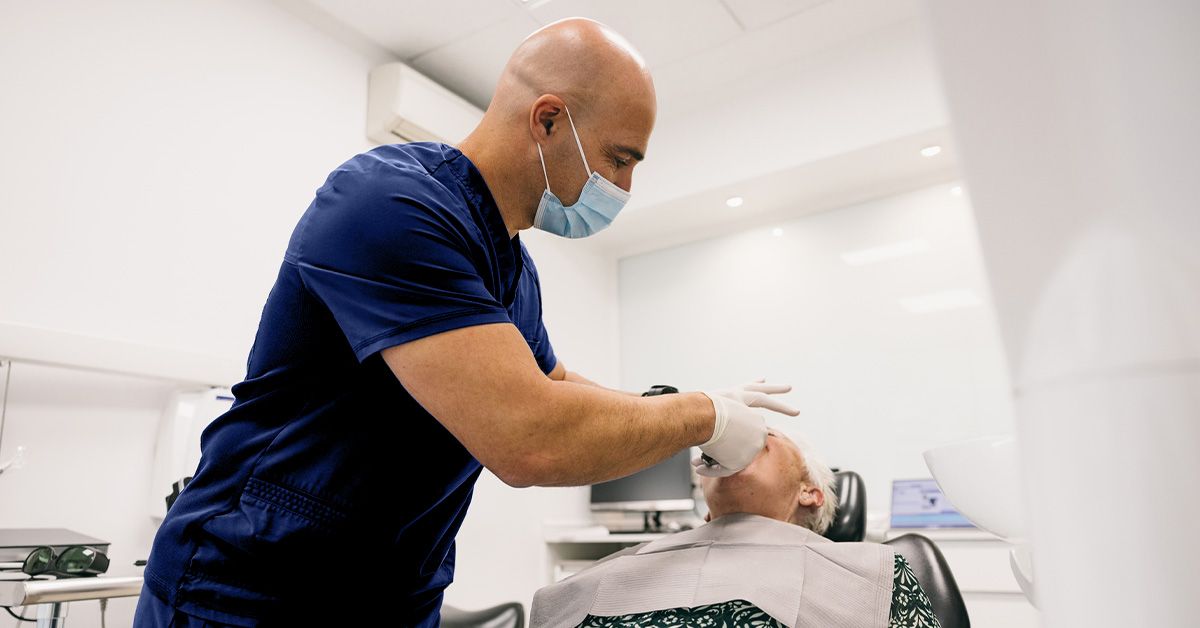
People with tooth loss or older adults can use dental implants to replace natural teeth. Despite a minor complication risk and higher upfront cost, implants often outlast alternative solutions.
Doctors may recommend surgically implanting artificial tooth roots, known as dental implants, into a person’s jaw if they have experienced tooth loss.
In a 20-year study published in 2024 on the prevalence of dental implants among 17,114 adults over 50 years between 1999 and 2020, researchers found that the rate of getting dental implants in this age group rose from 1.3% to 8.4% over this period.
An earlier 2018 study noted the largest increase in the prevalence of dental implants in people between the ages of 65 and 74 years.
This article discusses when older adults need dental implants, what to expect when getting them, and their anticipated cost.
When a tooth is lost, a dental implant
Between this foundation and the final tooth sits a connector piece called an abutment. Dentists craft the visible portion, called a crown, specifically for each patient, paying careful attention to the shape of the person’s bite and the shade of their surrounding teeth.
Two types of dental implants are available: endosteal and subperiosteal. Surgeons place endosteal implants directly into the jawbone. But people with lower jawbone height may need subperiosteal implants, which are placed on top of the jaw.
Research suggests that by 2050, 1 in 6 people will be over the age of 65 years. People in this age group face unique oral health challenges that can affect their overall well-being. Some oral health problems in older age include dry mouth (xerostomia), decay affecting both the tooth crown and root, and periodontitis (gum disease).
Generally speaking, a person
Dental implants have
While dental implants can enhance a person’s quality of life, they can be related to complications that may develop either immediately after placement or later on.
These complications
That said, such complications are rare, and dental implants have a high success rate of 97% at 10 years and 75% at 20 years.
While people may have concerns that their older age might make them more susceptible to such complications, a 2019 study suggests this may not be the case.
The study compared dental implant outcomes between 400 patients over 65 years and a similar younger group. The study found only a 2% failure rate across both demographics over 10 years. Participants over 80 years experienced a slightly higher prevalence of complications.
Even so, when deciding whether or not to get dental implants, a person should always consult with their dentist or oral surgeon. This will also help them understand and weigh the potential risks of the procedure.
Factors that will affect a person’s decision include their specific health, the healing timeline, the type of implant they need, and whether or not they have specific risk factors that can affect success, such as smoking.
The healing process after the procedure can also take several months. It is important to diligently follow the doctor’s cleaning and recovery instructions, maintain regular dental check-ups, and promptly report any looseness or pain to the provider.
Another factor in considering whether or not to get dental implants is their cost. Dental implant surgery costs fluctuate based on factors like how many implants a person needs, which type, where in their jaw the implant will be placed, and if their mouth requires preparatory procedures.
A person insured by a private health insurance plan should check the plan benefits for details on coverage of dental implants and anticipated coinsurance. Without insurance coverage, a single tooth implant could cost as much as $6,000, which means that a full mouth of implants is likely to be highly expensive in many cases.
A 2024 study showed that the prevalence of dental implants in people over the age of 50 years has grown, the rate remained lower for non-Hispanic Black people, who may have had less access to dental care due to various social determinants of health.
People who live with a disability or without insurance may be able to get free or more affordable dental care through the Dental Lifeline Network or local dental clinics that offer financial assistance. If such resources do not offer dental implants, they may offer alternative dental devices such as bridges or dentures.
Medicare is available to people ages 65 years and older or younger and living with disabilities. However, Original Medicare (Parts A and B) does not cover dental care, including dental implants.
That said, a person can enroll in Medicare Advantage (Part C), a private plan that offers all the same benefits as Original Medicare and may offer additional benefits like dental care.
The specific coverage and coinsurance depend on the plan. On Medicare.gov, people can find all the Part C plans available in their area.
The use of dental implants has been growing, especially among older adults. These permanent tooth replacements can offer better function and aesthetics than other solutions for tooth loss, such as dentures.
While highly successful, complications can occur, particularly with certain health conditions. However, older age is not necessarily a risk factor for complications, so older adults can consider this solution for their dental care. While dental implants are generally costlier than other options, they do offer greater longevity.