
Gower's sign in Duchenne muscular dystrophy
Duchenne muscular dystrophy (DMD) is an inherited muscle disorder that causes progressive breakdown of muscle tissue.
Symptoms typically begin in early childhood, and most parents and caregivers notice delays or differences in movement by the time a child is 2 to 3 years old.
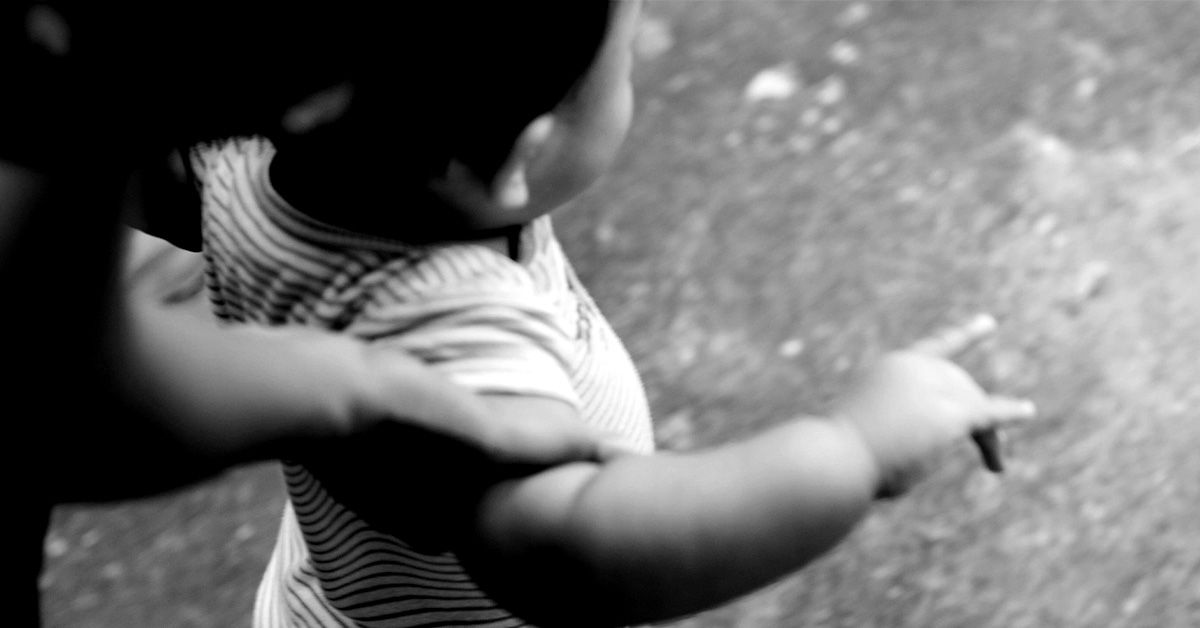
One of the most recognizable signs of DMD may be a movement pattern known as Gower’s sign, in which a child uses their arms to “climb up” their legs when getting up off the ground.
Gower’s sign gets its name from the neurologist Sir William Richard Gowers, who described the sign as a characteristic feature of DMD. People also sometimes refer to it as “Gowers’ sign” or “the Gower’s maneuver.”
Read on to learn more about Gower’s sign, including what causes it and how to recognize it.
Gower’s sign is a pattern of movement that children with DMD often use to lift themselves off the floor and into a standing position. It involves using their hands and arms to “climb up” their body.
In more severe cases, a child may need to start on their stomach and use their hands to push themselves up onto their hands and knees.
In the early stages of DMD, Gower’s sign may be more subtle. In very young children or infants, the earliest signs may include a prone crawling position — in which the child crawls on their stomach without raising their abdomen — or the occasional use of the hands against the thighs when standing.
Gower’s sign indicates weakness in the muscles of the legs, hips, thighs, and trunk. Children often use this movement pattern to minimize the work those muscles need to do, shifting most of the load-bearing work to the arm muscles.
DMD results from the loss of function of the protein dystrophin. This protein plays important roles in the structure of muscles, and the loss of function makes the muscle cells weak and fragile. As a result, muscle tissue breaks down, leading to common DMD symptoms, including mobility issues.
Muscle breakdown in DMD is progressive, which means it increases over time. In the early stages of muscle loss, Gower’s sign may be milder and less noticeable. It typically becomes more pronounced throughout toddlerhood and early childhood as muscle loss in the lower limbs becomes more pronounced.
Although Gower’s sign is common, it may not be present in every child with DMD. Some young children with DMD show no signs of difficulty when moving from a sitting or lying position to a standing position.
However, Gower’s sign can become more pronounced as muscle loss progresses in DMD. Some infants or very young children who do not show this sign at first might begin to use these compensatory movements — or others like them — to help with mobility as they get older and the condition progresses.
Gower’s sign is an adaptive behavior that children use to compensate for the loss of muscle strength in the legs — it is not a condition that needs treatment. However, medications and therapies that improve muscle strength can be helpful.
In one small
Various new medications and treatments for DMD have become available in recent years. While researchers have not specifically examined the effects of these treatments on Gower’s sign, their effects on muscle health can also help with mobility.
Although Gower’s sign is a characteristic feature of DMD, it can also occur in other conditions that cause weakness in the muscles of the legs or pelvis. Conditions in which Gower’s sign may occur include:
Gower’s sign is a common feature of Duchenne muscular dystrophy (DMD) that results from muscle weakness in the legs, pelvis, or abdomen. In very early childhood or infancy, this symptom may be mild, but it may become more pronounced as muscle loss progresses.
If a parent or caregiver suspects that a child may be showing Gower’s sign, they should contact the child’s healthcare team. Healthcare professionals can recommend the next steps to determine whether DMD or another condition may be causing muscle weakness.