
Hegseth firings of generals draw bipartisan concern, calls for limits
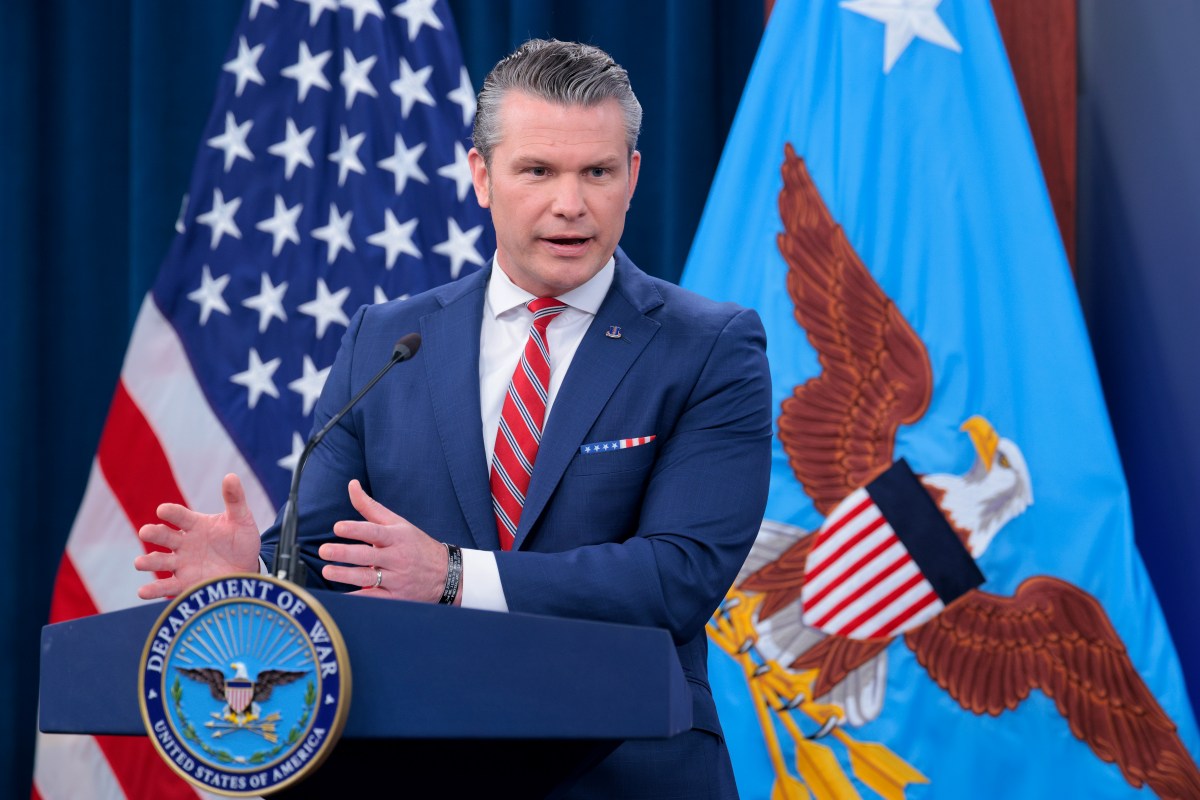
A wave of high-level Pentagon firings and departures under Defense Secretary Pete Hegseth is drawing bipartisan concern in Congress, as lawmakers warn the exit of senior military leaders could undermine decision-making during a period of conflict and global uncertainty.
The departures—including the exit of General Chris Donahue, the commander of U.S. Army Europe and Africa—have intensified scrutiny of how and why top officers are being pushed out, with critics arguing the lack of transparency risks eroding confidence within the ranks.
A Pentagon spokesperson said the changes reflect longstanding policy that senior military leadership serves at the discretion of civilian authorities.
“General officers and flag officers serve at the pleasure of the President and the Secretary of War," Chief Pentagon Spokesman Sean Parnell told Newsweek on Sunday. "They always have and always will."
Senator Tim Kaine, a Democrat on the Senate Armed Services Committee, said Sunday that lawmakers could take action if the Pentagon does not provide clearer answers, signaling potential bipartisan support for oversight measures.
“I don’t think that concern is misplaced. We’re worried about the same thing,” Kaine said on CBS’ Face the Nation, referencing warnings from senior military figures that recent firings could discourage candid advice at the highest levels.
Kaine questioned whether the changes reflect a broader shift inside the Pentagon.
“Are you pushing out the truth tellers to surround yourself by yes-men?” he said, adding that “it looks like the secretary is coming down hardest on the Army.”
Kaine noted Hegseth previously served in the Army National Guard and has said publicly he felt he wasn’t treated well by the service.
“That’s a grudge he’s carried,” Kaine said. “So when you see Army officers forced out, you’ve got to wonder, is this a personal thing, or is it really what’s best for the nation?”
The concerns extend beyond any single dismissal. Hegseth has overseen the removal or departure of multiple senior officers since taking office, part of a broader reshaping of military leadership that has drawn mounting criticism from lawmakers and former commanders.
Critics say the issue is not whether a defense secretary has the authority to remove senior officers—but how those decisions are made and what signal they send through the chain of command. Military leaders are expected to provide candid advice to civilian leadership, even when it runs counter to political priorities.
Former officials and lawmakers warn that if officers begin to believe their careers depend on aligning with leadership views, it could affect how decisions are made in active conflict zones and reduce the range of perspectives considered at critical moments.
The unease is not limited to Democrats. Republican lawmakers have also raised alarms, highlighting a rare area of bipartisan tension over national security leadership.
Among them is Senator Thom Tillis of North Carolina, who has warned that sidelining experienced officers risks prioritizing loyalty over merit and could damage military effectiveness.
Representative Don Bacon of Nebraska, a Republican and former Air Force brigadier general who sits on the House Armed Services Committee, also sharply criticized the moves.
“I think it’s caused damage to the Pentagon, to our overall military,” Bacon said on CNN on Sunday, referring to the firings of senior commanders.
“I think it’s politicized the process [of promotions] unnecessarily,” he added. “The way he’s done [firings], it’s wholesale, and I think it’s hurt the military.”
In a post on X in April, Bacon said the firings reflected “a lack of character” and warned that abruptly removing respected officers without explanation risks politicizing the military and undermining trust within the ranks.
Bacon said he has worked with several of the dismissed leaders and vouched for their experience and professionalism. “He’s fired about 20 admirals and generals…these are great people,” he said, adding that the removal of top officers without clear justification raises further concerns.
The criticism reflects a broader divide within the Republican Party, with some lawmakers defending the Pentagon’s authority to reshape leadership while others argue the scope and speed of the changes raise serious questions.
The debate has been fueled by a broader pattern of leadership changes under Hegseth that extends beyond a single case.
Since taking office in early 2025, the defense secretary has overseen a series of high-level departures, including the April 2026 removal of Army Chief of Staff General Randy George, as well as the ouster of General David Hodne, who led Army Training and Doctrine Command, and Major General William Green Jr., the Army’s chief of chaplains.
Additional changes to senior leadership have unfolded through the spring of 2026, with multiple high-ranking officers exiting their posts or being reassigned as part of a broader shake-up at the Pentagon.
While the Defense Department has framed the moves as part of an effort to reshape military leadership, critics say the scale and timing of the changes—particularly during an ongoing U.S. military engagement abroad—are unusual and have often come without detailed public explanation.
Retired Army Major General Randy Manner described the situation as “very dangerous” in April, warning that removing senior officers without clear justification could make others less willing to provide candid advice during wartime. He said such a dynamic “does not help at all in terms of giving confidence to the American fighting man.”
Those fears—that senior leaders may hesitate to speak openly if doing so could jeopardize their careers—have become a central theme in the debate now unfolding in Washington.
Donahue’s departure has become a focal point for those concerns. The general is widely regarded as one of the Army’s most experienced commanders, known for his role in overseeing key operations during the U.S. withdrawal from Afghanistan and for decades of service in elite units.
Lawmakers in both parties have pointed to his record as a reason the move has drawn particular scrutiny, arguing that the departure of widely respected commanders without clear explanation risks sending a broader signal across the military.
“There are a lot of questions and very few answers,” Kaine said. “He was very well regarded… both sides of the aisle thought really highly of him.”
The uncertainty is now feeding into debate over the annual defense policy bill, known as the National Defense Authorization Act, which Congress is expected to take up in the coming weeks.
Kaine said the Senate version of the bill does not currently include provisions addressing the firings, but suggested that could change as scrutiny intensifies.
“When we bring it up on the floor… if we need to go farther to put some guardrails in place, you’ll probably find bipartisan support to do that,” he said.
In the House, lawmakers have already taken a step in that direction, advancing a proposal that would require the Pentagon to inform Congress within five days when senior military officials are removed—an approach that stops short of limiting authority but increases oversight.
The debate reflects a broader tension in Washington between the Pentagon’s authority to reshape military leadership and Congress’s role in oversight, particularly at a time when U.S. forces remain engaged overseas and strategic decisions carry heightened risk.
Any effort to impose new reporting requirements or limits on firings could become one of the more closely watched elements of the defense bill, with lawmakers weighing transparency concerns against the executive branch’s traditional control over military personnel decisions.
For now, Kaine said lawmakers are still seeking answers from the Pentagon—but signaled that patience may be limited.
“We don’t yet have good answers from the Pentagon,” he said.