
Hormuz tankers reluctant to leave Gulf despite peace deal
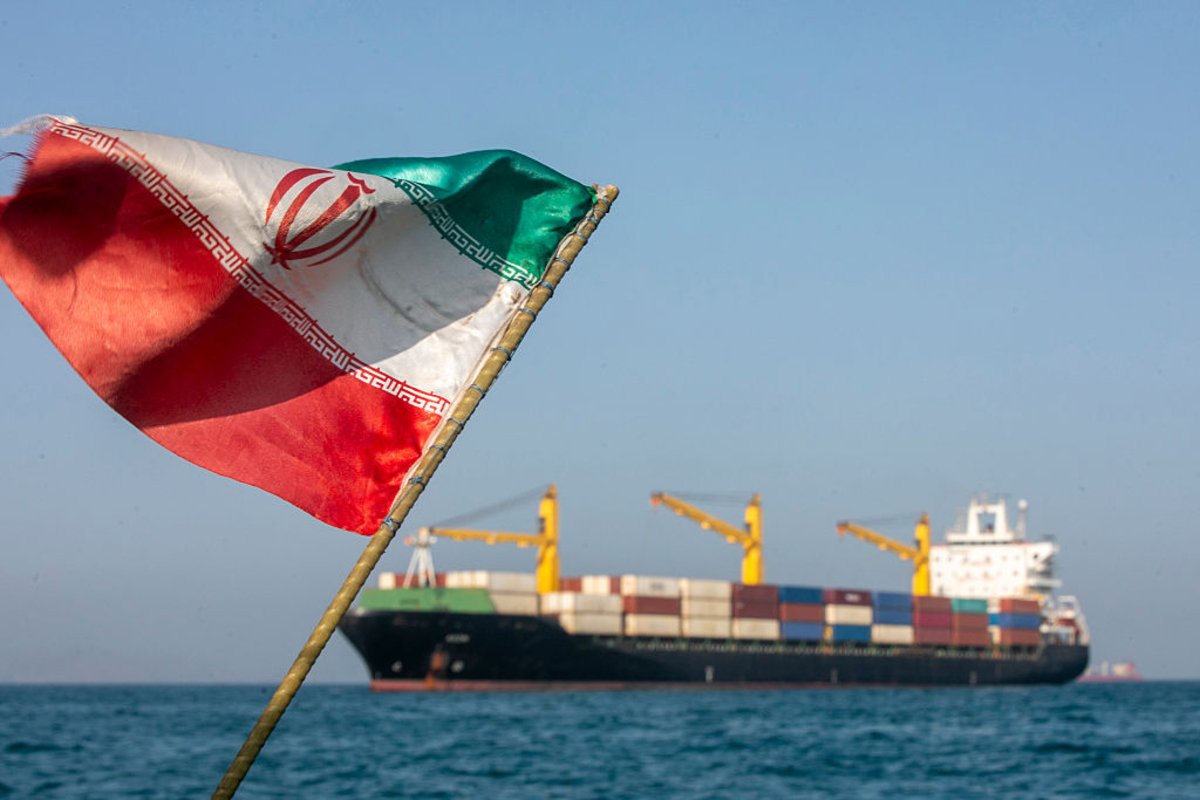
Shipping firms remain reluctant to navigate the Strait of Hormuz sea passage despite this week’s peace deal, according to a boss of the industry’s lobby group who warned that trade volumes will not return to full capacity until next year.
Peter Aylott, director of policy at the UK Chamber of Shipping, told City PM that firms would need to see a “fairly robust string of evidence” that tankers stuck in the Persian Gulf could leave safely before they would have the confidence to sail through the Strait after the deal.
“We’re grateful that we’re moving in a positive direction, but to the same extent we’re very cautious about returning vessels to moving through the Strait, given the activity that’s been going on during the ceasefire, and given the fact that we’ve been here before,” he said.
Dozens of vessels have spent months marooned in the Persian Gulf ever since Iran chose to prevent traffic passing through the narrow Hormuz shipping lane in response to the US’s air strikes in late February. The closure of the chokepoint, through which more than a fifth of seaborne oil and gas passed before the war, has caused fertiliser and oil prices to skyrocket in the months since and has been a key tool in Iran’s negotiations with the US.
The eagerly anticipated agreement had triggered hopes that the Strait of Hormuz may reopen to shipping traffic as soon as Friday, with President Trump urging seafarers stuck in the Gulf to “start your engines”.
But the terms of the deal – known as a Memorandum of Understanding – are yet to be published, with vice president JD Vance saying on Monday that it “a number of issues” remain in the agreement, which is currently just a page and a half long.
The lack of clarity led Aylott to play down hopes of an immediate return to volumes that resemble pre-war levels, saying that while some of the industry body’s members “will start to move as soon as the piece of paper has been signed”, the majority will not.
“The risk assessments of many of our members have stipulated that safe passage can only be enacted in the event of a clear and robust ceasefire,” he said.
Several of the UK Chamber of Shipping’s members own ships stranded in the Gulf, a small minority of which have successfully bypassed the strait’s closure and extricated their tankers from the bottleneck. Most, however, have remained stuck in the Persian Gulf, unable to leave for fear of being seized by the Iranian regime or encountering a sea mine laid down since the outbreak of the war.
After the marooned vessels have largely escaped the gulf, any second phase of a return to normality will constitute the reinstatement of regular trade through the channel in both directions.
But Aylott warned that, even being optimistic, it will take several months for members to have the confidence to engage in free-flowing trade through the strait.
He said: “If by normal trading one means 150 vessels in and out a day, I think, in reality, it’s unlikely to be in that shape this year unless those discussions are incredibly successful. And given previous discussions between the US and Iran have taken an incredibly long time… you can see why I’m being very cautious.”