
Hosepipe ban extended to Surrey, Sussex, Hampshire and Berkshire
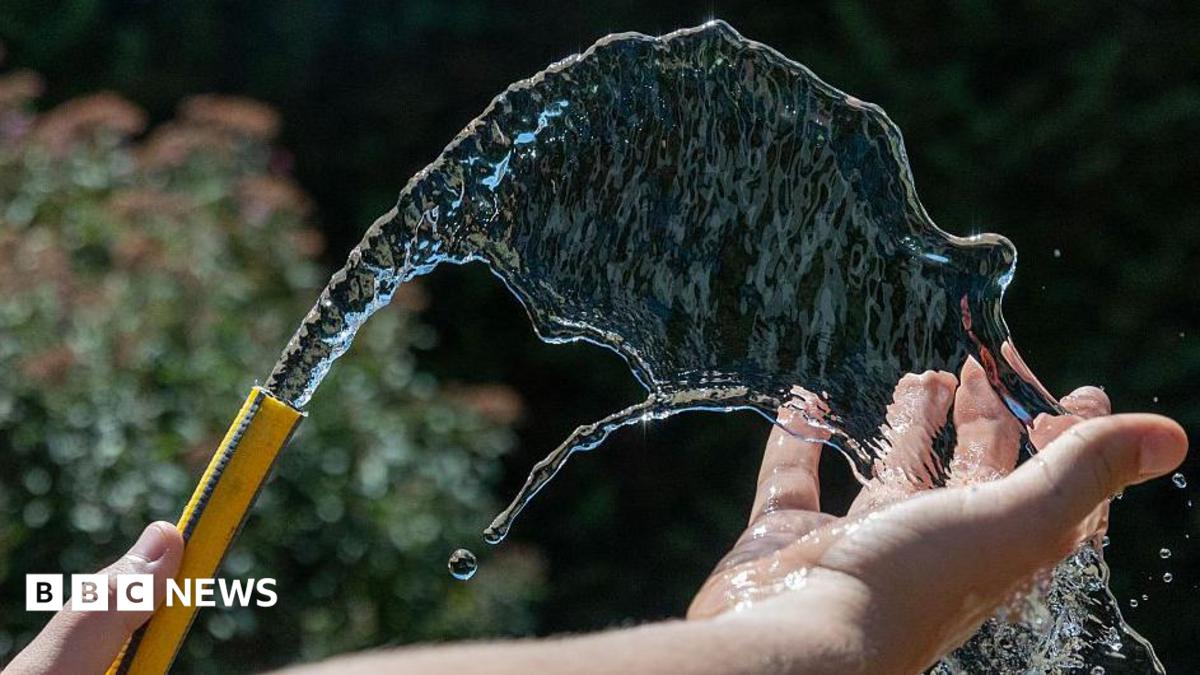
A hosepipe ban has been expanded to cover 2.4 million people across the south of England after record-breaking temperatures.
South East Water's ban now includes parts of Sussex, Surrey, Hampshire and Berkshire - an extra 1.5m customers. A ban in parts of Kent has been in force since 3 July.
Douglas Whitfield, SEW's water supply director, said it was "deeply sorry" and "incredibly grateful to everyone helping us protect water supplies" after exceptionally hot and dry weather.
Eastbourne MP Josh Babarinde said he was "appalled", calling it "the direct result of years of underinvestment in upgrading infrastructure and building resilience".
Under the restrictions, households in the affected area will be banned from using a hosepipe in their homes for tasks including cleaning, filling ponds, or watering plants.
The ban will officially come in from 00:01 BST on Saturday, but SEW has asked its customers to abide by the restrictions immediately.
The UK record for the hottest day in June was broken for a third day in a row last month, with temperatures reaching 37.3C, the Met Office said.
The water company, which relies on reservoirs to supply homes, said levels at Arlington Reservoir in East Sussex had dropped to where its drought plan stated it needed to introduce restrictions.
It added that issues had arisen due to the region only receiving 55% of its average rainfall since March.
Parts of southern England have not seen any significant rainfall in weeks, with Wisley in Surrey having had none for 31 days.
Issues for the company also come after it was ordered to spend £30.5m on improvements after investigations by industry watchdog Ofwat.
The firm warned in its annual report it needed to secure fresh financing to stay afloat after taking a £55m hit from outages over the winter.
Toby Cooper, landlord of The Bull in Tunbridge Wells, said recent issues at the pub meant he had to shut on Saturday evening, losing him between £5,000 and £6,000 in trade.
He added: "We understand there can be issues in infrastructure but this is the third time in a year that we've had to close due to a lack of water.
"It's getting very frustrating especially for a small business where every penny counts. Being closed - especially on weekends - really hits us hard."
Mike Keil, chief executive of the Consumer Council for Water, said SEW had "a responsibility to get a grip of its network".
He added: "People in the area are sick to death of living under a constant cloud of uncertainty as to whether their taps will keep running and it also undermines customers' own motivation to save water."
Bosses from Southern Water, which supplies water to other parts of Sussex, said that its supply area in the region would avoid a hosepipe ban as water levels were "actually better than this time last year".
Follow BBC Sussex on Facebook, external, X, external, and on Instagram, external and listen to BBC Radio Sussex on Sounds. Send your story ideas to [email protected], external or WhatsApp us on 08081 002250.