
Hotter Jersey seas pose challenges for colder water species
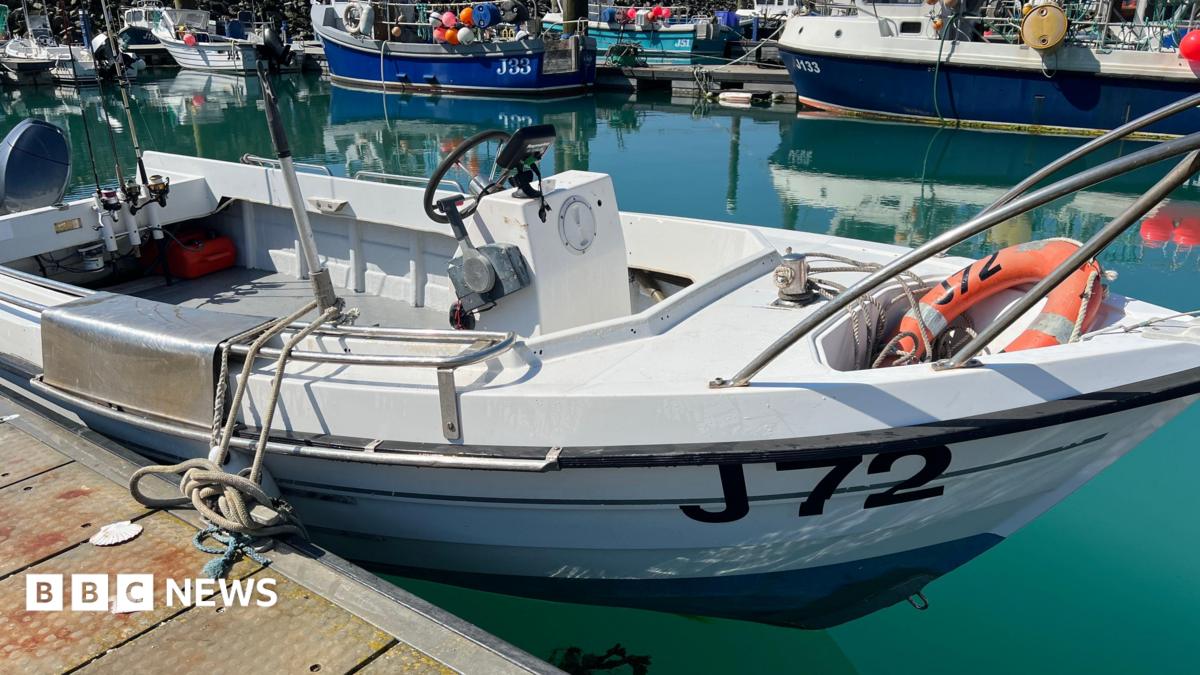
Different species are appearing off the coast of Jersey as seawater temperatures heat up, a marine expert has said.
The head of Jersey's Marine Resources, Francis Binney, said: "The water around Jersey is controlled or influenced very strongly by land temperature, when the land is hot in Jersey the sea gets hot."
"The sea has boosted up to nearly its normal maximum temperature already, normally you don't get to see that until high summer", he said, adding the normal maximum was 18C (64.4F).
Binney said warmer waters meant there were more sharks spotted off Jersey and tuna were "making a resurgence" along with species including trigger fish and gilthead bream.
He said this poses a "real challenge for a lot of marine life" as temperatures of 21C (69.8F) and spikes of up to 24C (75.2F) have been recorded.
"Now we're seeing the loss of a lot of those cold adaptor species, which if they can are moving north."
He added: "Chancre crabs - the edible crab - that everyone used to have in their crab sandwiches is really mostly gone from our waters and is becoming common along the Swedish and Norwegian coast.
"Spider crabs are moving into the territory, instead."
Casualties include whelks which "can't move as fast" to migrate to colder waters and Binney said: "We're seeing a die off in those species over time."
He said: "It's a big challenge, especially for slow moving species."
Binney said climate change also meant food supplies such as planktomic blooms were happening earlier in the year but other species such as some fish which rely on them for food may not have adapted to that cycle while "opportunistic" jellyfish may.
"Some species will benefit and others will have problems," he said.
Binney said: "The last 15-20 years have seen a huge shift in our marine habitat and our marine fauna."
The government's marine resources department is working with universities to monitor the changes and filming underwater and "observant and curious" islanders help by reporting species.
Binney said the changes to marine life would impact fishing and the hospitality industry as they adapted to shortages of some species, such as crab and mackerel which were "very sparse now".
"Rolling with the changes is the trick we need to help people do," Binney added.
Follow BBC Jersey on X, external and Facebook, external. Send your story ideas to [email protected], external.