
How does aging affect skin?
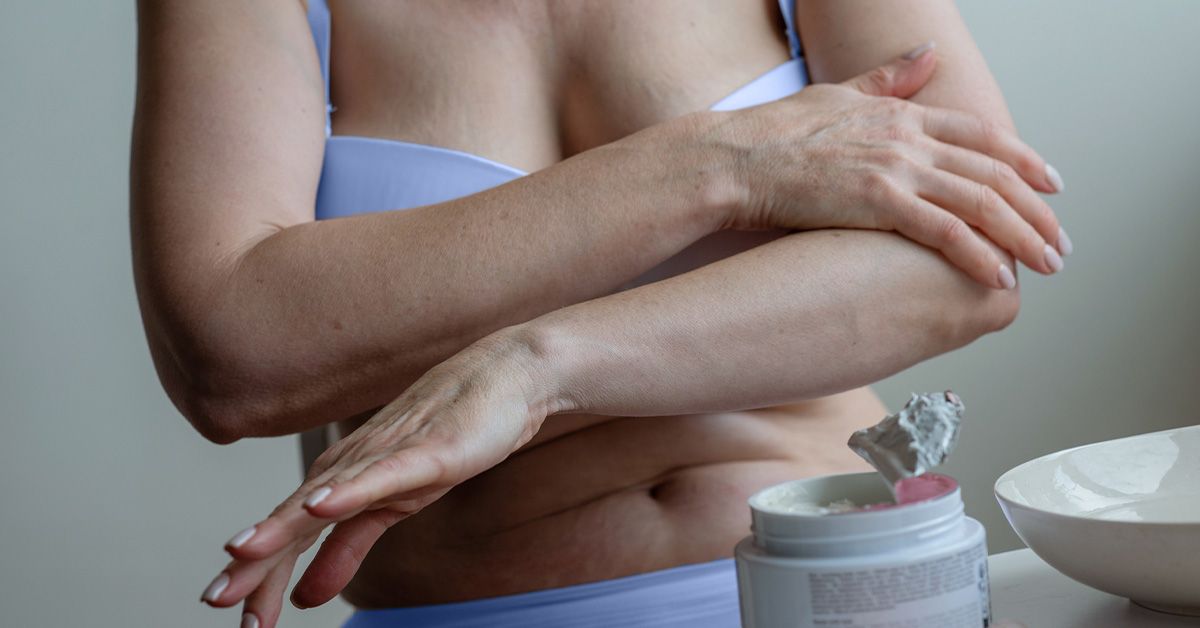
Aging can affect skin in various ways. People may notice wrinkles, dry skin, or other changes, such as age spots. However, there are ways to protect their skin and decrease their risk of certain skin issues.
Aging is a natural process that can affect every aspect of the body, including the skin.
Intrinsic aging affects everyone. Extrinsic aging, also known as photoaging, typically affects those who have chronic exposure to sunlight.
There are various ways people can protect their skin to help reduce the signs of photoaging and decrease their risk of other skin issues.
As people age, their skin changes. They may notice that it becomes thinner and does not look as smooth and plump as it once did.
Aging causes the outer layer of the skin to become thinner, paler, and less elastic or stretchy. Blood vessels also become more fragile as people age, which may lead to bruising more easily. Older adults may also produce less oil and sweat from their glands.
These areas may itch and feel scaly or rough.
There are various reasons older adults may experience dry skin in addition to the typical changes that come with age. These can include:
Older adults may find that they bruise more easily than they did when they were younger, and bruises may also take longer to heal.
Certain medications may also cause bruising. If a person notices bruises on their body and does not know how they got them, they may want to speak with a healthcare professional.
While it is common for older adults to get accidental bruises, they can also be a sign of elder abuse.
If you believe someone may be experiencing elder abuse, you can contact various state, local, and national social service agencies, such as:
Age spots, once referred to as “liver spots,” are brown, flat spots on the skin that are often the result of many years of sun exposure. Age spots are larger than freckles and commonly appear on:
Skin tags are small, usually flesh-colored growths of skin that have a raised surface. These growths generally become more common with age. They most often appear in the following areas:
Both age spots and skin tags are typically harmless. However, skin tags can become irritated due to friction. If an individual is bothered by either of these, they can speak with a healthcare professional.
You may be able to prevent more age spots by wearing a hat and protecting your skin from UVA and UVB rays from the sun.
Protecting your skin from the sun can help prevent many skin issues, including skin cancer.
Photoaging is sun damage to the skin. It is often premature — and sometimes dangerous — skin aging due to exposure to the sun.
Dermatologists use the Fitzpatrick’s scale to determine skin phototype and assess the risk of photodamage.
Everyone needs sun protection, no matter their skin type. Even if a person’s skin rarely burns, they can still be at risk for skin cancer.
Some skin changes are the result of typical aging — wrinkles, dryness, and bruising. However, other changes may be a sign of more serious skin conditions.
Skin cancer is the most common type of cancer in the United States. The Skin Cancer Foundation reports that approximately 1 in 5 people in the United States will develop skin cancer by the time they are 70 years old.
Anyone with any skin type can develop skin cancer. However, older adults and people with fair skin who freckle easily are at a greater risk.
It is important for people to check their skin each month for changes that could be a sign of skin cancer, including:
If a person notices anything unusual, they should speak with a healthcare professional.
Early skin cancer (melanoma) may have specific signs.
If a person believes they might have a skin condition, they can speak with a healthcare professional.
Medicare Advantage (Part C) and Medicare Part D can help cover the shingles vaccine. With either of these plans, you do not have to pay anything out of pocket for the Shingrix vaccine.
There are ways people
Aging can affect the skin in different ways. It can lead to wrinkles, a loss of elasticity, dryness or itchiness, and more frequent bruising.
Some skin changes are the result of natural aging. However, other, sometimes more serious, changes are due to exposure to the sun (photoaging).
It is important for people to check their skin for any changes each month. If they notice changes in their skin or new growths, they should speak with a healthcare professional.