
How long can Dupixent be out of the fridge? Storage tips and more
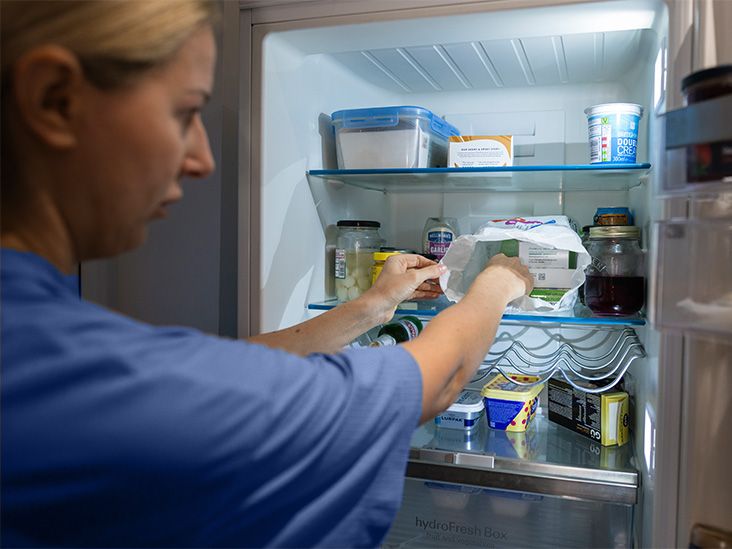
Dupixent is a brand-name medication prescribed to treat certain inflammatory conditions, including asthma and atopic dermatitis, in adults and some children. Dupixent is a liquid solution given as a subcutaneous injection (an injection under the skin) using a prefilled syringe or pen.
Knowing how to safely store Dupixent will help preserve the medication and maintain its effectiveness in treating your condition.
Dupixent syringes and pens should generally be stored in the refrigerator between 36°F and 46°F (2°C and 8°C). They should be kept in their original cartons to protect the medication from light.
Dupixent should not be frozen because this can damage the medication. If the medication has frozen (or frozen and thawed), safely discard the syringe or pen in a sharps container
Keeping Dupixent at the correct temperature and away from light can stop the medication from breaking down. Incorrect storage can lead to the medication degrading, which can make it unsafe or ineffective to use.
New, unopened Dupixent pens and syringes can be left out of the fridge for a maximum of 14 days, as long as they aren’t exposed to very warm temperatures. Once it has been stored out of the fridge, don’t put it back in, as these temperature changes may also affect the stability of the medication.
You can store Dupixent at room temperature, up to 77°F (25°C), for up to 14 days.
Dupixent needs to be at room temperature before you inject your dose. (It may be uncomfortable if you inject Dupixent cold.) How long Dupixent has to sit out after removing it from the refrigerator depends on the strength of the pen or syringe prescribed. Here’s the estimated time for the two Dupixent strengths, shown in milligrams per milliliter (mg/mL):
Since Dupixent doesn’t contain any preservatives, dispose of any unused solution left in the pen or syringe in your sharps container.
If needed, you can store new (unopened) Dupixent pens and syringes at room temperature for a maximum of 14 days. But the medication should not be exposed to temperatures above 77°F (25°C). For this reason, be sure to protect Dupixent from heat and direct sunlight during this time. (Keep Dupixent in its original carton.)
After removing Dupixent from the refrigerator, you should use the medication within 14 days. If Dupixent is left out of the fridge for more than 14 days, discard it.
Plus, do not put Dupixent back in the fridge if the medication reaches room temperature. Temperature changes may damage the medication, making it less effective at treating your condition.
If you’re traveling and can’t access a refrigerator, you can store Dupixent at room temperature for up to 14 days. It’s best to store the medication in its original container to protect it from light.
Depending on your travel plans, you may want to store Dupixent in a special travel case for medications. These insulated cases are designed to store refrigerated medications while traveling. Using an insulated travel case will help preserve the medication and protect it from light. If you’re interested in this option, ask your pharmacist for product recommendations.
If you’re traveling by plane, you’ll need to consider airport security screening. The Transportation Security Administration (TSA) may want to inspect liquid medications visually or by X-ray. Before you reach the security line, tell a TSA officer you have medically necessary liquids. You may have to put your medication in a security bin or bowl, separate from your other personal items and luggage. Remember to clearly label your medication(s) before you travel.
Tell the TSA officer if you don’t want your medication to be opened or screened by X-ray. They may recommend additional steps to pass security.
You’ll also need to discard Dupixent if the solution inside the pen or syringe is cloudy or discolored. Dupixent should be clear and colorless or pale yellow. If you’re unsure whether the medication is suitable, you can contact the pharmacy or the manufacturer at 844-387-4936.
If you have questions about storing Dupixent at home or while traveling, talk with your doctor or pharmacist for more information.
Disclaimer: While Medical News Today strives for factual, comprehensive, and current information, this article is not a substitute for a licensed healthcare professional’s expertise. Always consult a doctor before taking or discontinuing any medication. Drug information is subject to change and may not cover all uses, directions, precautions, warnings, interactions, reactions, or adverse effects. The lack of a warning does not guarantee a drug’s safety, effectiveness, or appropriateness for all patients or specific uses. Learn more about our approach to content integrity.