
How Long Eylea Stays in Your System: Half-Life and Duration
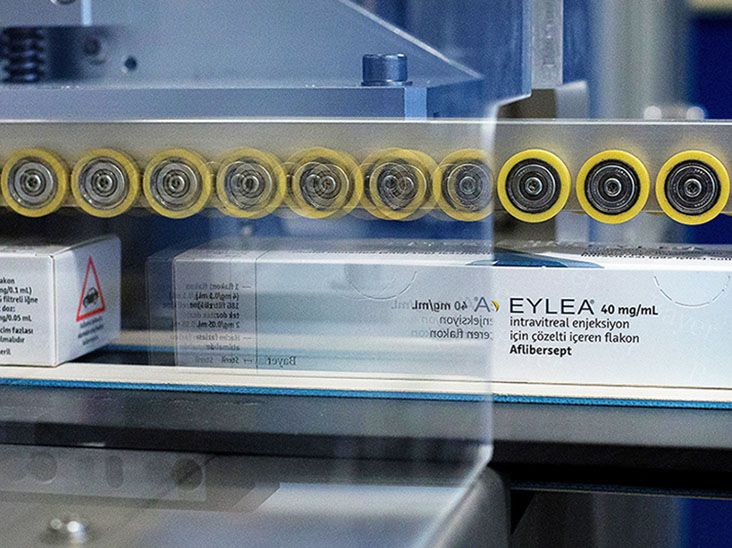
When discussing how long Eylea stays in your system, it’s important to distinguish between how long the drug remains in your eye versus your bloodstream.
According to the drug’s prescribing information, Eylea (aflibercept) has a systemic half-life of approximately 5 to 6 days. In plain language, this is the time it takes for the amount of medicine in your body to drop by half. It typically takes about 1 month for Eylea to be mostly cleared from your blood.
However, the drug is designed to stay in the eye much longer to treat the underlying condition, usually maintaining its effects for 4 to 8 weeks or more.
Note: This article focuses on Eylea. For more information on Eylea HD, talk with your doctor or pharmacist.
The terminal half-life of Eylea in the blood is roughly 5 to 6 days. Because the drug is injected directly into the eye (intravitreal injection), only a tiny amount enters the rest of your body. Once that small amount reaches your blood, your system filters it out steadily. Based on the 6-day half-life cycle, the drug is effectively cleared from the bloodstream within 30 days.
While Eylea leaves your blood quickly, the drug’s effect inside your eye lasts longer. Most people receive an injection every 4 to 8 weeks. According to clinical trials, some people may eventually extend their treatments to every 12 or 16 weeks, depending on how their eye responds to the medication.
If you stop treatment, the condition you’re using Eylea to treat (such as wet AMD or diabetic retinopathy) will likely return or worsen. Without the medicine to block fluid leakage, swelling can return to the retina. This often leads to a significant and potentially permanent loss of vision.
Consistent treatment is the best way to keep your vision stable.
Talk with a healthcare professional if you experience sudden eye pain, redness, or blurred vision between your scheduled Eylea injection appointments.
Disclaimer: While Medical News Today strives for factual, comprehensive, and current information, this article is not a substitute for a licensed healthcare professional’s expertise. Always consult a doctor before taking or discontinuing any medication. Drug information is subject to change and may not cover all uses, directions, precautions, warnings, interactions, reactions, or adverse effects. The lack of a warning does not guarantee a drug’s safety, effectiveness, or appropriateness for all patients or specific uses. Learn more about our approach to content integrity.