
How not to stoop in older age
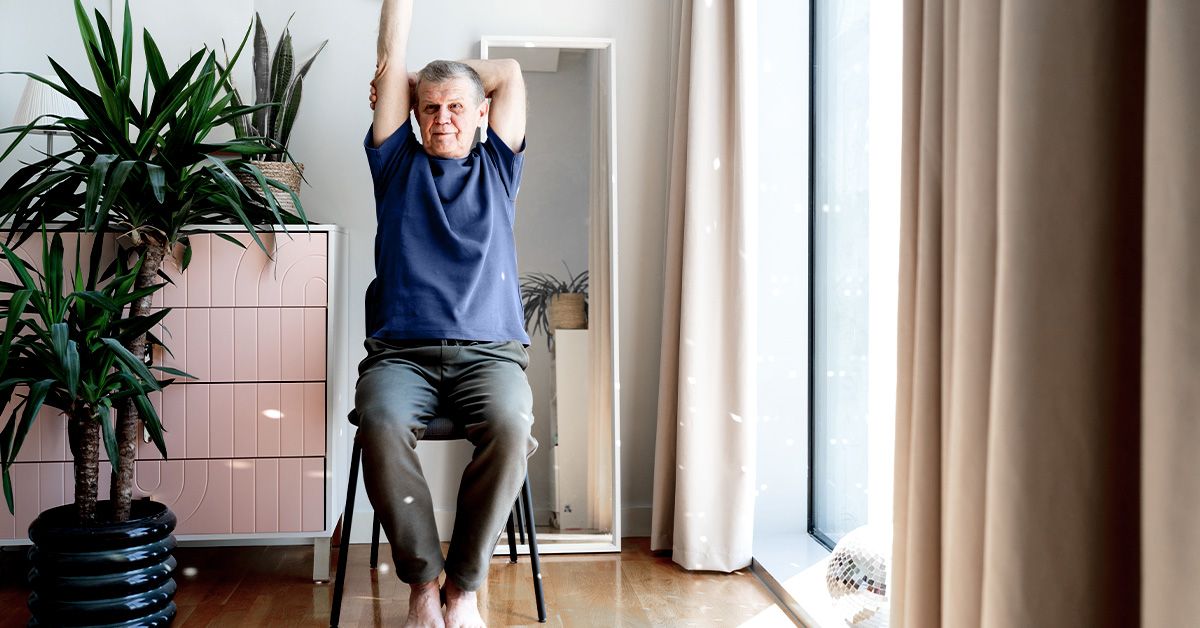
Stooping, a forward curve of the upper spine, increases the chance of falls and other health problems in older people. But strength exercise and good posture habits can help reduce it.
Stooping is
In older age, this can be related to causes such as vertebral fractures and conditions such as osteoporosis or degenerative disc disease. However, stooping can also occur on its own and may be influenced by many factors such as:
Stooping affects about
For this reason, it is important for older adults to maintain muscle strength through exercise and habits that can help support good posture.
It is never too late to improve posture and reduce stooping. In fact,
Generally, older adults may wish to aim for around
These exercises may not only help reduce stooping, but also help maintain a person’s overall mobility.
To reduce stooping, a person may consider trying a posture-correcting device, but this is not a permanent fix. A long-term prevention strategy will not only involve physical activity, but also changing how a person generally sits and moves throughout the day.
For starters, it is important to eat a balanced diet and maintain a moderate weight. This is because excess weight may, in some cases, contribute to stooping.
In addition, comfortable shoes can support a person’s body when walking. When sitting, on the other hand, a person should make sure their desk is at the correct height and use a chair that supports their back. They also should keep both feet flat on the floor and place the computer screen at or just below eye level.
If back pain is a problem, using an ergonomic chair may help. That said, a person should try not to sit for too long without moving by getting up to stand or walk at least once an hour.
Stooping is a forward curve of the upper spine that affects many adults age 60 years and over and can result from bone loss, muscle weakness, issues with posture, or prolonged sitting. It is a risk factor for health problems in older adults and increases the chance of falls.
That said, it is possible to reduce stooping at any age by incorporating strength training, stretching, and exercises like yoga or tai chi.
For older adults, experts recommend about 150 minutes of aerobic activity each week plus 2 days of muscle and balance exercises. In addition, using supportive shoes, sitting upright in an ergonomic chair, and taking regular movement breaks can also help reduce stooping and support mobility.