
How to reduce your prescription costs
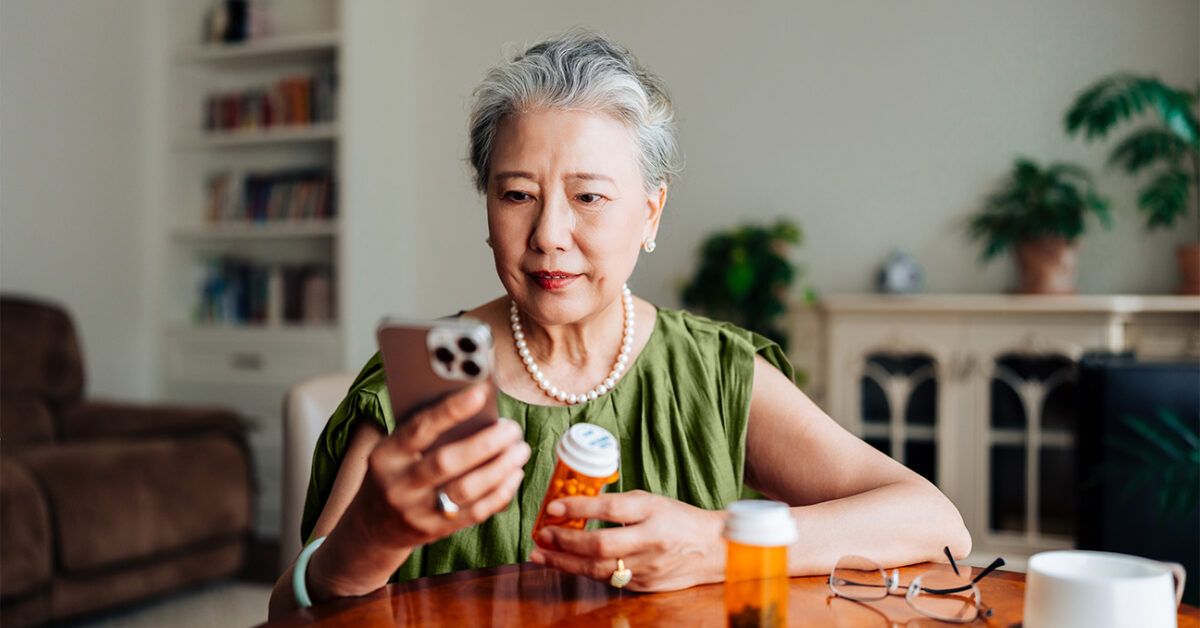
Prescription drug costs are consistently rising, and they may represent a significant financial burden, particularly for people with chronic conditions that may require long-term treatment. However, there are several methods that can help you save on your medication costs.
Options like trying generic medications, looking into manufacturer discounts, and using prescription discount cards or coupons are all available options to reduce drug costs.
Many drugs are available in both a brand-name and a generic form. Branded drugs and their generic equivalents contain the exact same active ingredient, which is what makes the drug work. One example is ibuprofen, which is the generic form of the drug Advil.
One of the benefits of generic drugs is that they tend to be cheaper than branded medications, with the Food and Drug Administration (FDA) estimating that they cost
When a drug is first approved, it’s typically only available in a brand-name form. Drug manufacturers often conduct many years of testing and research when developing a drug, so when it is approved, they often have a period of exclusivity to sell the medication. This contributes to the higher costs of branded drugs.
If you’re taking a branded medication that has a generic equivalent, consider speaking with the prescribing doctor about switching to a generic alternative.
If you have health insurance, you will likely have access to a drug formulary, also known as a drug list. This is the list of drugs that your insurance plan will cover. It may be split into different tiers:
If you know your formulary well or know how to interpret it, you can speak with a doctor about prescribing medications that are more likely to be covered or have lower copayments.
If your doctor needs to prescribe a drug that isn’t covered, you may be able to speak with your insurer about coverage. In some cases, they may make an exception, such as if the drug is medically necessary and no other options will work for you.
State pharmaceutical assistance programs (SPAPs) are state-run programs that offer assistance in paying for medications to certain populations, such as older adults or people with disabilities.
Eligibility and coverage may vary by state. The National Conference of State Legislatures (NCSL) provides a list of SPAPs by state, so you can easily find the information for your area.
In some cases, drug manufacturers may offer promotions or savings programs on their medications. These could be a good option to help save money on a medication.
For example, some manufacturers offer a copay card that can help you cover
Consider looking up the drug manufacturer’s website to see if there are any savings offers currently available.
Prescription discount cards are free or low cost cards that can allow you to save money on prescription drugs at certain pharmacies, and some 2019 research suggests that prescription discount programs can provide significant savings to consumers.
These cards are provided by a third-party company that has negotiated discounts with pharmacies and drugmakers. The amount of savings will depend on the specific card, pharmacy, and medication you’re buying. They’re generally used without insurance.
You simply present a discount card at a pharmacy, and the pharmacist will apply the discount automatically. You should be able to use the card at many pharmacies nationwide, both in chains like CVS and smaller pharmacies.
Optum Perks is owned by RVO Health. By clicking on this link, we may receive a commission. Learn more.
There are many costs associated with healthcare, and paying for prescription medications is just one of them. With costs consistently rising, it’s natural to seek ways to save on your prescription costs, whether or not you have insurance.
There are several strategies that can help reduce the costs of medications, including switching to generics, using savings programs, and getting to know your insurance formulary.
You can also reach out to a doctor, pharmacist, or other healthcare professional for further advice.
Disclaimer: Medical News Today has made every effort to make certain that all information is factually correct, comprehensive, and up to date. However, this article should not be used as a substitute for the knowledge and expertise of a licensed healthcare professional. You should always consult your doctor or another healthcare professional before taking any medication. The drug information contained herein is subject to change and is not intended to cover all possible uses, directions, precautions, warnings, drug interactions, allergic reactions, or adverse effects. The absence of warnings or other information for a given drug does not indicate that the drug or drug combination is safe, effective, or appropriate for all patients or all specific uses.