
How to Safely Lower Your Body Temperature In Extreme Heat
Follow this section to personalize your feed and get instant alerts.
Follow this tag to personalize your feed and get instant alerts.
Follow this author to personalize your feed and get instant alerts.
Follow this author to personalize your feed and get instant alerts.
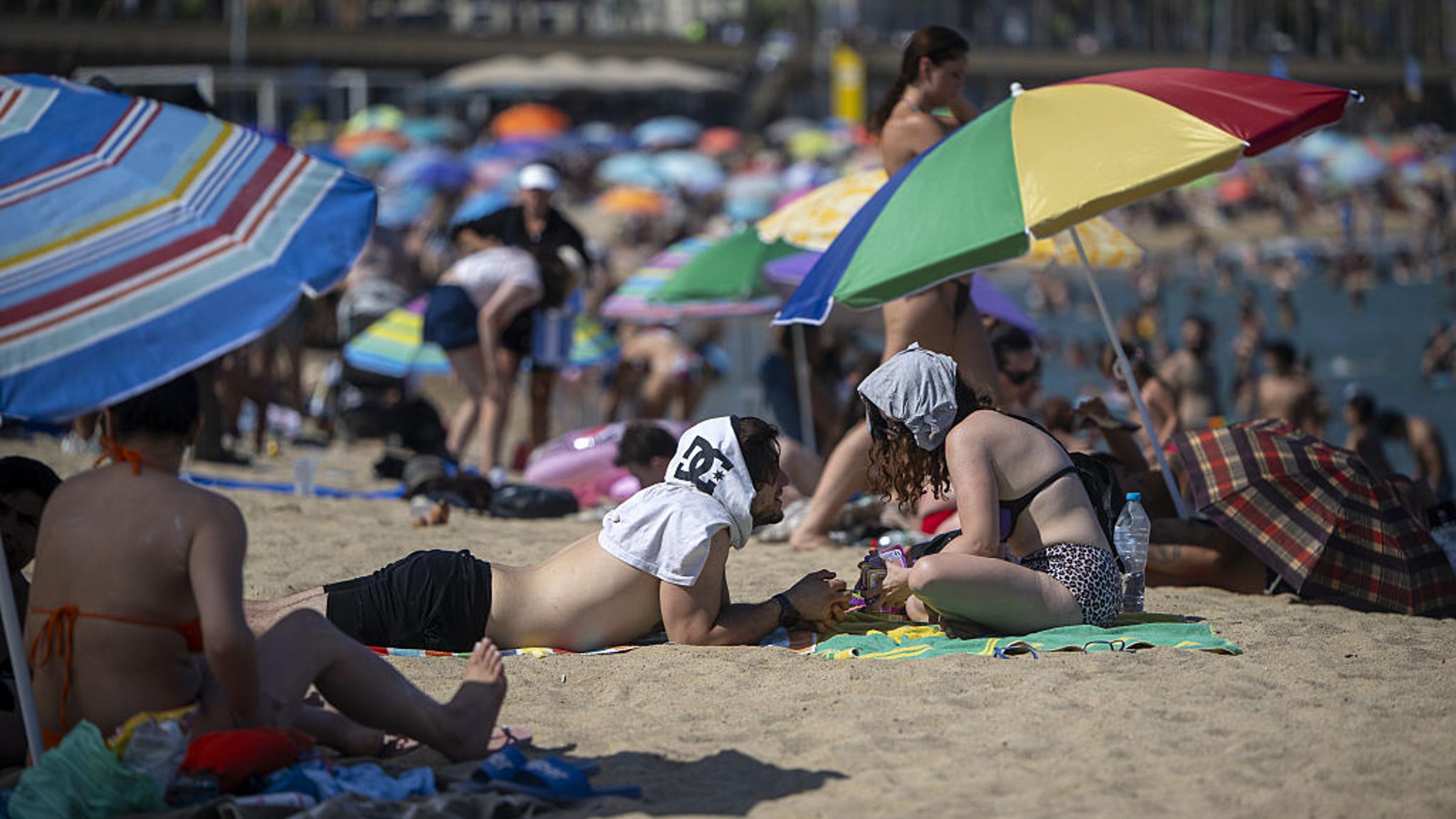
With summer in full swing, much of the world is already contending with record-breaking temperatures. Many of Asia's largest cities saw above-normal temperatures at the end of last month—which was the world’s second hottest May on record. Record-breaking temperatures have been seen in countries across western Europe this week. France experienced its hottest day in recorded history, and Spain and the United Kingdom also broke heat records of their own. A heat dome is building over parts of the U.S., with parts of the Mid-Atlantic including Washington D.C., expected to face temperatures as high as 95°F next week.
Heat can be deadly. Extreme heat is the number one weather-related killer. The World Health Organization estimates that roughly 489,000 heat-related deaths occur worldwide each year. It can also exacerbate other health conditions like heart disease, stroke, asthma, respiratory diseases, and kidney failure.
Certain groups are more vulnerable to the impacts of extreme heat than others. Adults 65 and older, young kids, people taking medications, pregnant women, outdoor workers, and athletes are more at risk for heat related illnesses.
But, during extreme temperatures, anyone who spends too much time in the sun can be impacted. “Many people recognize that extreme heat can be dangerous to people's health, but they don't necessarily recognize that that includes their health,” says Gregory Wellenius, director of the Center for Climate and Health at Boston University. “Some people are at much higher risk than others, but we're all at risk of suffering symptoms and illness from extreme heat.”
If you’re out in the sun, keep an eye out for heat cramps and other symptoms like dizziness, confusion, and weakness. If you begin to feel faint, it could be a sign of heat exhaustion.
To avoid heat exhaustion, which occurs before heat stroke when your body overheats, the most important thing is to get out of the heat. “If you're in the sun, move to the shade, if you're not in an air-conditioned space, and you can, get to an air conditioned space,” says Wellenius.
To cool down your body, place cold cloths on your skin, or spray your clothes with water. You can also try taking a shower—just make sure the water isn’t too cold. “What's been recommended is a cool shower or lukewarm, because if you make it too cold…your body could hold in that core temperature even more,” says Brian Bossak, professor of public health at the College of Charleston, located in Charleston, South Carolina.
You should also be cautious of using a fan—particularly if it's above 95°F. “In some cases that fan, if it's 95° or above, can actually speed up the heating of the core body temperature,” says Bossak. That’s because, above a certain temperature, the fan is just moving hot air towards you, increasing your temperature.
Stay hydrated—but focus on water rather than alcoholic drinks or coffee, which can actually be more dehydrating.
“Sometimes people think sports drinks might be better, but most of the time straight water is the best solution,” says Wellenius. For most people—besides athletes exercising for an hour or more per day in hot weather—water provides all the hydration needed.
Fruits that have high water content—like oranges and watermelon—can be helpful, but experts say that nothing beats water. “I think the most important thing is to limit heat exposure and stay well hydrated, which predominantly means drinking lots of water,” says Wellenius.
Avoid heavy, greasy food, like burgers or pizza, and instead turn to lean, cold protein, like hard boiled eggs, tuna salad, or grilled chicken.
While cooling down, avoid taking any over-the-counter pain relievers unless cleared by a doctor—they can worsen symptoms by placing extra strain on your kidney and liver. “The key thing with heat overexposure is not to treat the symptoms, but to solve the problem,” Wellenius says.
The best way to avoid heat exhaustion—stay out of the sun in the first place. Plan your day so that you do errands or outdoor exercise during cooler parts of the day. If you work outdoors, do what you can to take frequent water and shade breaks. “People are always looking for the magic bullet. Here we actually have had one: stay cool in the first place,” says Wellenius. “What that means is going to vary for each individual.”