
Hypothalamic obesity (HyOb) treatment
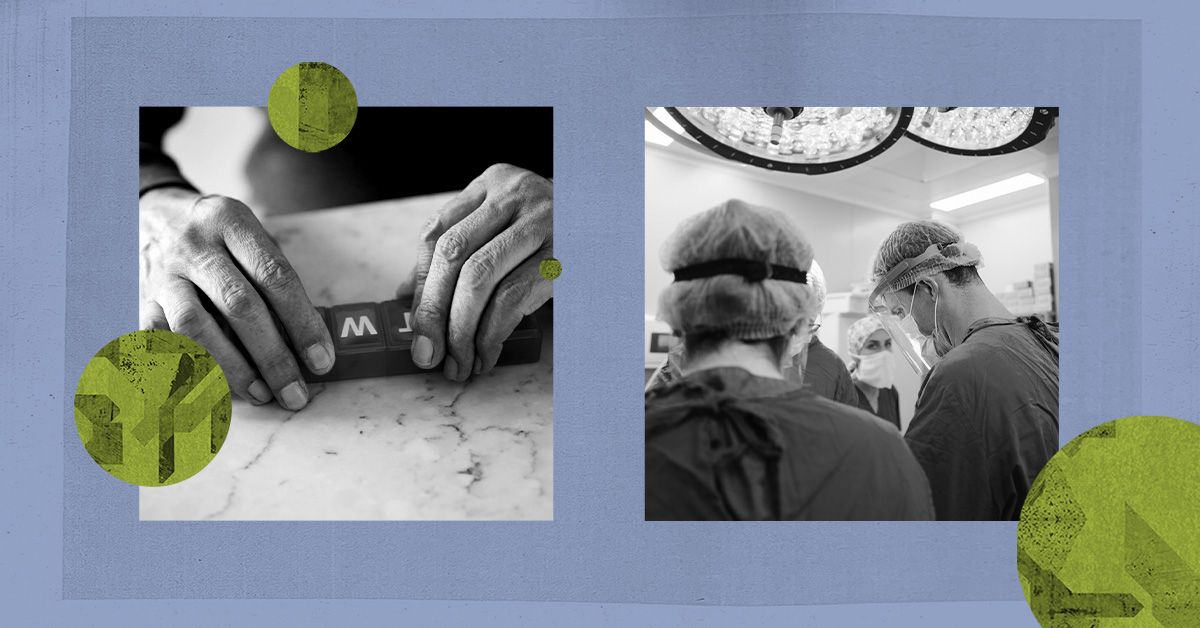
Medications, hormone replacement therapy, and surgery are several treatment options for hypothalamic obesity (HyOb), a condition caused by dysfunction in the brain’s hypothalamus.
Overweight and obesity occur when the body develops excess fat tissue. Lifestyle factors, such as inadequate diet and lack of exercise, are common underlying causes, but not all obesity is directly related to daily habits.
HyOb is a subtype of obesity caused by dysfunction in the hypothalamus. The hypothalamus is the part of the brain responsible for regulating hunger, satiety, energy expenditure, and body weight.
Injuries, damage, and congenital conditions such as Prader-Willi syndrome can impair function in the hypothalamus, disrupting how it communicates with the rest of the body.
Persistent hunger after eating, slowed metabolism, fatigue, uncontrollable appetite, and rapid weight gain are common symptoms of hypothalamic dysfunction in HyOb.
This article explores current and experimental HyOb treatment options, including surgery, medications, and hormone replacement therapy.
Medications are used in HyOb treatment to counteract the deficits caused by dysfunction in the hypothalamus.
Doctors may prescribe drugs that help control appetite, promote satiety, and modify the body’s response to insulin, for example. Other medications, such as glucagon-like peptide-1 (GLP-1) receptor agonists, work to improve communication between the brain and the digestive system.
Surgery is an option for some people living with HyOb. Two different surgical approaches are available, depending on a person’s specific diagnosis.
When a tumor in or near the hypothalamus is the underlying cause of HyOb, doctors may be able to surgically remove it. This helps relieve pressure on surrounding tissues in the brain and slows or prevents tumor regrowth.
However, tumor surgery can have an undesired effect on body weight in HyOb. Rather than promote weight loss, more damage to the hypothalamus from tumor removal may cause additional weight gain.
In other types of obesity, bariatric surgery is an option to help reduce the capacity of the stomach so a person feels fuller sooner and for longer. It is less effective in HyOb because the hypothalamus does not respond to satiety signals as it should.
Doctors still use bariatric surgery for some people living with HyOb to help improve gut hormone secretion. By rapidly delivering nutrients to the small intestine, bariatric surgery boosts the production of hormones such as GLP-1 and peptide YY, which promote satiety, suppress appetite, and enhance insulin secretion.
The hypothalamus controls the pituitary gland, where several important hormones are made for the body. In HyOb, many people experience hormone deficiencies due to the disrupted connection between the hypothalamus and the pituitary gland (known as the hypothalamus-pituitary axis).
Some of these symptoms can exacerbate weight gain or hinder weight loss. For example, low mood from hormonal changes may lead to comfort eating or staying sedentary instead of being active.
To help manage these symptoms, doctors may prescribe long-term hormone replacement therapy.
Modifiable daily habits and routines are known as lifestyle factors. They are controllable components in many situations of weight gain. Diet, activity level, substance use, and hobbies are all examples of lifestyle factors.
When obesity is related to lifestyle, making healthy changes is the first-line strategy for weight loss. In HyOb, dysfunction in the hypothalamus changes how the body regulates energy. This means traditional weight loss strategies focusing on energy-in versus energy-out are not always as effective.
Balancing lifestyle is still important. Practicing caloric control through diet and exercise and making changes that support overall health and well-being eliminates these as contributing factors for weight gain. Lifestyle improvements also support the effectiveness of other HyOb therapies.
A systematic review from 2024 found some evidence that a low calorie, low carbohydrate diet was feasible and effective for childhood HyOb. Still, overall, research supporting the use of lifestyle changes in HyOb is scarce.
Traditional weight loss methods are less effective in HyOb. Therefore, new treatment options are being investigated in research and clinical trials.
Hypothalamic obesity, or HyOb, is a rare subtype of obesity caused by dysfunction in the hypothalamus that does not respond as well to traditional weight loss strategies.
To treat HyOb, doctors create a comprehensive plan that may include lifestyle changes, medications, hormone replacement therapy, or surgery. Some people may benefit from participating in a clinical trial investigating new therapies.