
'I got 53 out of 360 in JEE': Student shares how he still got into Stanford, Princeton and Caltech
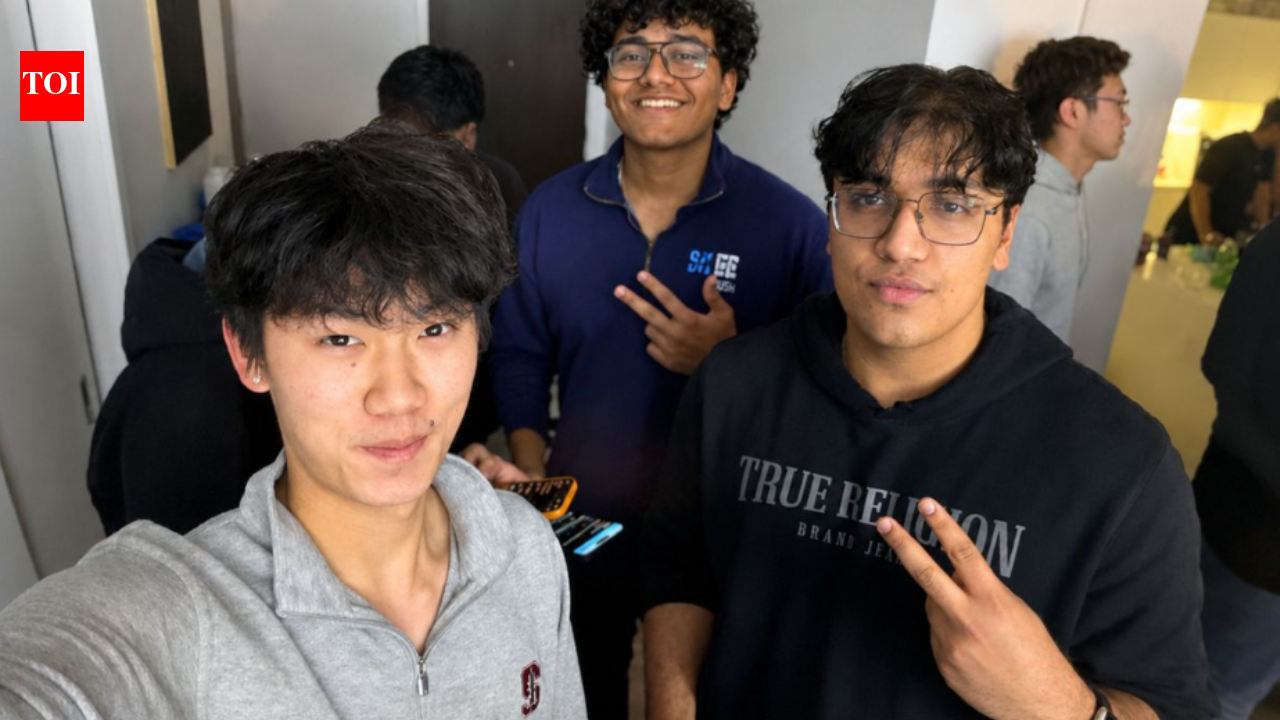
A LinkedIn post by Stanford University student Justin Sato has drawn attention for an unusual comparison. Sato revealed that he scored just 53 out of 360, or around 15%, in the Joint Entrance Examination (JEE), despite securing admission to three of the world's most selective universities: Stanford University, Princeton University and California Institute of Technology (Caltech).Sato, who is pursuing a Bachelor of Arts in Physics at Stanford University and recently co-founded startup Skarmy, shared the score to make a broader point about India's technical talent pool rather than his own academic journey.A different measure of academic potential"I got into Caltech, Princeton, and Stanford for physics... yet I got 15% on the JEE exam," Sato wrote.
Referring to the Indian Institute of Technology (IIT) admissions process, he added that acceptance rates are below one per cent and argued that the examination reflects the extraordinary depth of competition among engineering aspirants in India.His post mirrors a distinction that often shapes conversations around higher education.
Admission to leading United States universities typically considers research, academic interests, extracurricular achievements and personal essays alongside grades. By contrast, JEE primarily evaluates performance in a highly competitive entrance examination.JEE score did not define his admissionsSato extended the discussion beyond admissions.
He cited the presence of Indian-born leaders across global technology companies and said his startup plans to move to India, calling attention to the country's engineering ecosystem. He also invited students building from India to connect for internship opportunities.The post has resonated because it challenges a common assumption that success in one competitive system automatically translates to another.
Instead, it illustrates how different institutions assess potential through different criteria. A low JEE score did not prevent Sato from earning places at three prestigious universities, but his own takeaway was centred elsewhere. Ready to navigate global policies? Secure your overseas future. Get expert guidance now!