
In 1802, a French explorer released pigs on Kangaroo Island; 224 years later, Australia has finally removed them
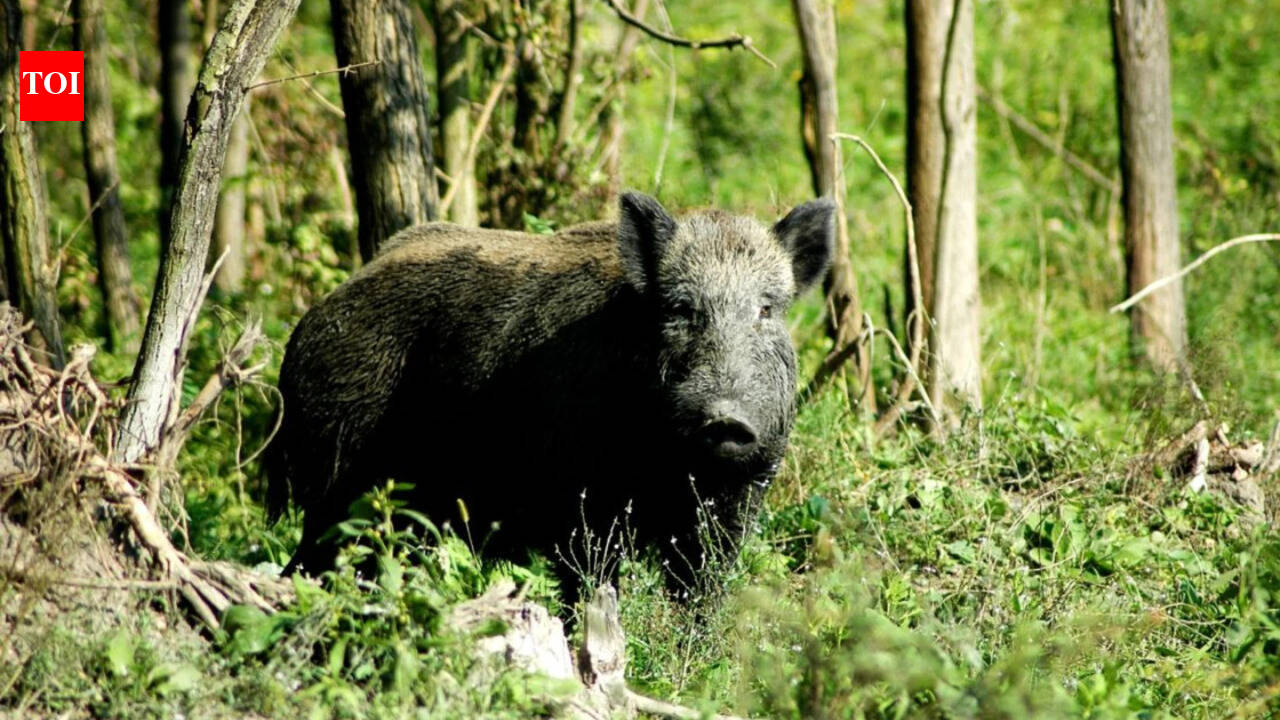
In 1802, a French explorer released pigs on Kangaroo Island as a food supply for passing sailors; 224 years later, Australia has officially removed the last of them.Kangaroo Island has been declared completely free of feral pigs, making it the largest island anywhere in the world to clear out an established population of the pest.The landmark news was shared in a joint announcement on 10 June 2026 by Murray Watt, Federal Minister for the Environment and Water, and Clare Scriven, South Australian Minister for Primary Industries and Regional Development.Backed by 7.5 million Australian dollars from federal and state governments alongside South Australia’s livestock industry, the Kangaroo Island Feral Pig Eradication Program gives crucial protection to native animals and local farms.
Before this effort, wild pigs cost the island over 1 million dollars every year in damage to farming and natural habitats.Turning tragedy into opportunityThe work to remove the pigs began in 2020 after the severe 2019/20 Black Summer bushfires. While the fires destroyed local buildings, farms, and wild spaces, they also killed about 90 per cent of the island's feral pigs.Conservationists and government leaders seized this rare opening to remove the remaining ten per cent.
Over four years, field teams tracked down and culled 878 feral pigs across the island, removing the final known breeding females in March 2024.In July 2024, the project moved into a strict two-year test phase across high-risk areas to prove the island was clear. During two years of careful checking, field teams found zero sightings, tracks, or signs of wild pigs.This checking period was critical.
Computer models showed that if just two pigs, one male and one female, had survived past March 2024, their numbers would have jumped back up to between 30 and 100 pigs by May 2026.High-tech tools in the air and on the groundRun by the Department of Primary Industries and Regions SA alongside the Kangaroo Island Landscape Board, National Parks and Wildlife Service, AgKI, Livestock SA, local farmers, and landowners, the project used both modern technology and traditional hunting methods.Teams used heat-sensing cameras on military-grade helicopters to shoot from the air, along with trained tracking dogs, ground traps with bait, and ground hunting.
Heat-camera operator Tony Blumson, air shooter Brenton Florance, and pilot Rob Matthews from HeliSurveys worked together to find hidden pigs in thick bushland.Scientists helped field workers by checking water samples in creeks and rivers for pig DNA left behind in the environment. Ground teams were guided by a network of over 500 trail cameras using artificial intelligence software, which read images to spot hiding animals, including one last hard-to-find male boar.Wild pigs are one of the most harmful invasive animals in Australia.
They destroy natural habitats, hunt newborn lambs, ruin crops, eat grass meant for farm stock, dig up native plants, spread weeds, and carry diseases that threaten livestock, wildlife, and people.Praise from leaders and next goalsFederal Environment Minister Murray Watt praised the teamwork behind the success."Congratulations to those involved in the program, which has meant another big step forward in protecting the incredible biodiversity of Kangaroo Island," Watt said.
"No more feral pigs means helping the recovery of native species, including threatened plants, and reducing the spread of dieback. Kangaroo Island is now a world leader in invasive species eradication having successfully eradicated feral goats, deer, and now pigs."Watt added that federal money continues to fund work targeting wild cats on the Dudley Peninsula to protect threatened native animals like the Kangaroo Island dunnart and echidna under the Threatened Species Action Plan 2022-2032.South Australian Minister Clare Scriven highlighted the benefits for local farmers and the region."Eradicating feral pigs from Kangaroo Island is a tremendous achievement and fantastic news for the island, its farmers, the environment and South Australia as a whole," Scriven said.
"Kangaroo Island is now the largest island anywhere in the world from which an established feral pig population has been eradicated. That is an extraordinary result and everyone involved should be incredibly proud."Kangaroo Island Landscape Board Chair Andrew Heinrich pointed out that strong island rules have kept out other major pests from the mainland, including foxes, rabbits, and ferrets."This is a big milestone for Kangaroo Island.
Completing feral pig eradication is a major win for our farmers, our environment, and the long-term biosecurity of the island," Heinrich said. "These achievements do not happen by accident. They come from years of persistence, skilled people on the ground, strong partnerships, landholder support, good science and smart technology."With the island officially free of wild pigs, deer, and goats, the Kangaroo Island Landscape Board is turning its focus to the Dudley Peninsula Feral Cat Eradication Program, aiming to create the world's largest lived-in, wild-cat-free area.Catch the latest World News and Live updates.
Download the TOI app.