
In 1960, Chicago gave Japan’s future emperor 18 bluegill as a friendship gift, and their descendants spread in Japan and reached an estimated 25 million in Lake Biwa
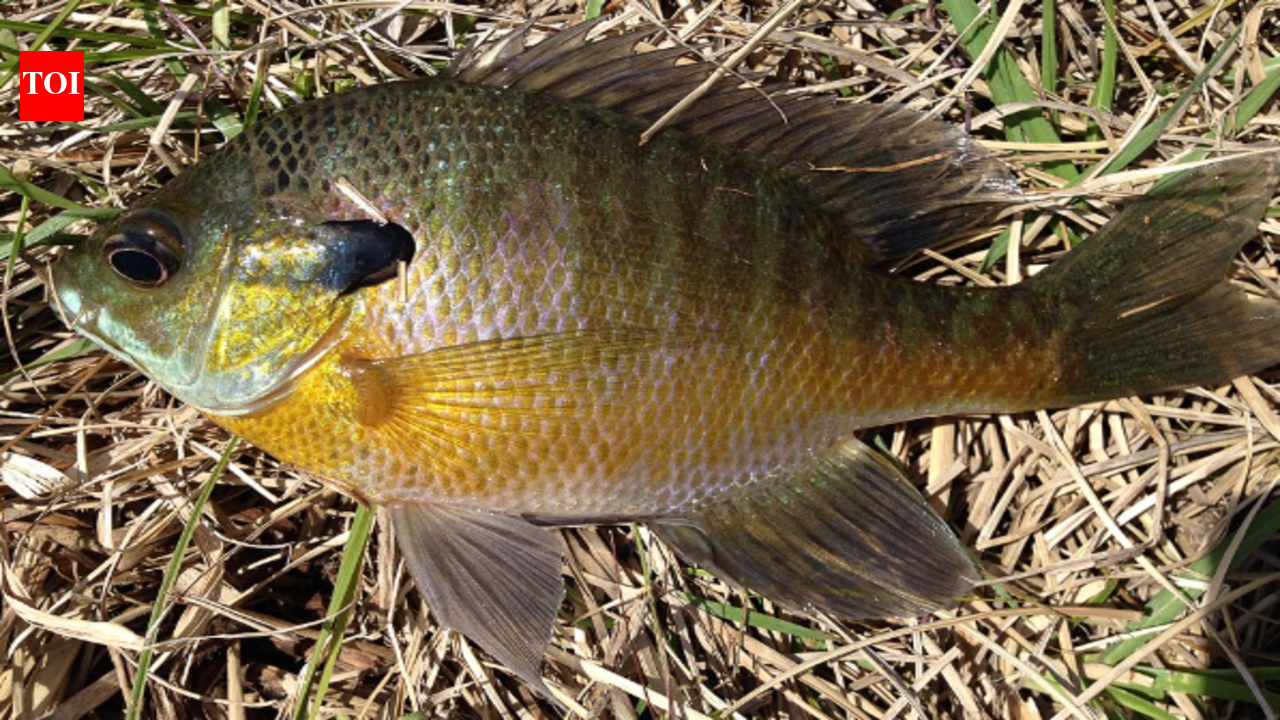
When Crown Prince Akihito visited Chicago in October 1960, his sole request was to visit the city's Shedd Aquarium. The 26-year-old heir to the Japanese throne was already a serious student of fish biology, and the aquarium stop was less a photo opportunity than a genuine passion project. Then-Mayor Richard J.
Daley, an avid angler himself, marked the occasion by scooping 18 bluegills, the official state fish of Illinois, from one of the aquarium’s tanks with a net.It was a simple gesture of goodwill between an American host and an honoured guest from abroad. Akihito, who was already an avid ichthyologist, intended to stock the fish in his home palace moat.
At Chicago’s wind-swept airport the next day, Prince Akihito and Princess Michiko departed for Japan carrying an unexpected gift that would lead to an environmental catastrophe decades later.From moat to nationwide research projectFifteen of the 18 bluegills survived the journey to Japan and produced offspring.
According to a study published in Molecular Ecology, some of the offspring were released or escaped into nearby lakes, including Lake Ippeki and Lake Biwa. Introductions also took place in several man-made lakes in 1963 and 1964, before the ceremonial introduction at Lake Ippeki in 1966.The initial introductions were intended to establish a new game and potential food fish.
But bluegills proved capable of reproducing rapidly and adapting to a range of food sources. In addition to deliberate releases, some fish escaped from experimental facilities, contributing to their subsequent spread.A population outbreak that proved difficult to contain Bluegills initially remained under control because native shoreline fish preyed on them and their young.
But this did not last long. Bluegills flourished for years in Japan’s rivers, lakes, and streams, feeding on insects, plankton, and vegetation, and later on shrimp and the eggs of native fish. By the late 1990s and early 2000s, the fish were well established throughout the country. The problem became severe enough that researchers began investigating how far the fish had spread.The worst impact, however, occurred at Lake Biwa, the largest and oldest freshwater lake in Japan, located in Shiga Prefecture.
The bluegill invasion caused a sharp decline in crucian carp, a local fish found only in Lake Biwa and used to make funazushi, a traditional fermented dish. However, bluegill were not the only cause. Largemouth bass, which were introduced to Japan in the 1920s and spread to Lake Biwa in the 1970s, along with changes in the lake’s ecosystem, also contributed to the decline of the native fish.Fighting back: Through bounties, bans, and eating themJapanese authorities have taken several steps to address the problem.
In 2002, the Ministry of the Environment declared bluegill an "invasive alien" species, and the Shiga Prefectural Government offered a bounty of about $3 per kilogram while fining anyone caught restocking bluegill or bass for use as bait. The prefecture has also said it spent more than a million dollars in a single year removing large quantities of the species, though estimates vary.Japan's Invasive Alien Species Act, which took effect in June 2005, regulates the keeping, breeding, storage, transportation, release and import of specified invasive alien species, including bluegill, without the required authorisation.
Bluegills continue to be illegally traded in Japan. Separately, one local initiative sought to address the problem by promoting a “catch and eat” approach, with recipes for fried and pickled bluegill.The emperor later apologisedThe most surprising turn in this tale has been provided by Akihito himself.
In 2007, Emperor Akihito, who had become emperor in 1989, apologised for bringing the fish to Japan, an act the Japan Times described as “a rare expression of contrition”. With continued commercial fishing supported by the Japanese government, bluegill numbers in Lake Biwa have declined substantially from levels recorded in the mid-2000s, although the fish remain established in the lake.
More than six decades after Daley scooped up the bluegills at the Shedd Aquarium, the fish have become an example of how an introduced species can spread beyond its intended setting and affect freshwater ecosystems across Japan.Catch the latest World News and Live updates. Download the TOI app.