
India-US trade pact: Piyush Goyal explains the one condition to seal the deal
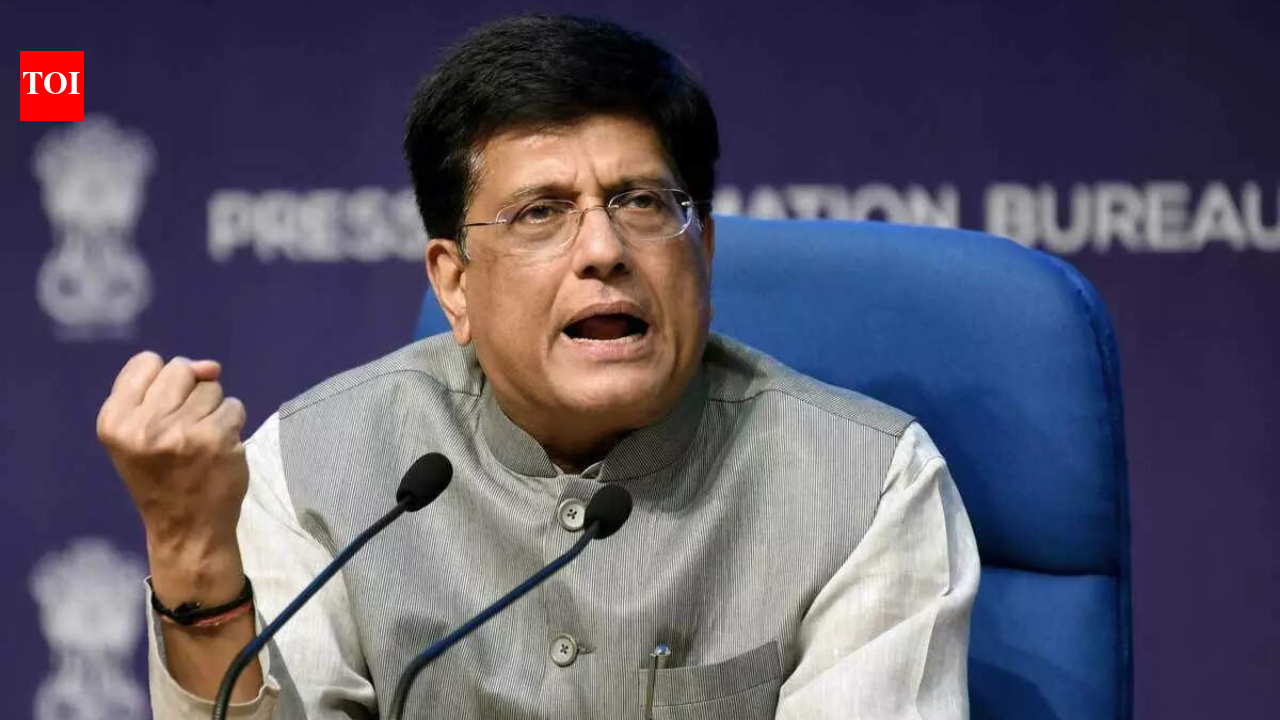
The long proposed India-US bilateral trade agreement will enter its first phase only after Washington restores India's tariff competitiveness against rival exporting nations, Addressing concerns around the much awaited trade pact, commerce and industry minister Piyush Goyal on Wednesday, said that the understanding reached between the two countries was based on India receiving a comparative advantage over competing economies, including neighbouring countries and those in the ASEAN region.
Once the condition is met again, the agreement would be ready to come into force.Addressing reporters, Goyal said, "I have categorically and on several occasions expressed the confidence that what we have finalized with the US as the first tranche of the bilateral trade agreement, which was announced by our leaders on 3rd of February, will come into operation as soon as the United States is able to ensure that we get a comparative advantage over our competitors, the countries in our neighborhood, the countries in the ASEAN region and other countries with whom we compete."He added that India is confident of increasing its exports to the US market, provided its tariff treatment is favourable or at par with competing countries."For us, as long as we have comparative advantage or comparable duties, I think India will continue to grow its exports and continue to leverage the large US opportunity," he said.The minister also said India had participated in the Office of the United States Trade Representative's Section 301 investigations related to forced labour concerns.
Under that probe, the US has imposed a 10% tariff on India.100% tariff threatsThe minister’s remarks come as attention remains locked on a legislative proposal by the US administration that could allow tariffs to be imposed on countries purchasing Russian energy.The Lindsey O Graham Sanctioning Russia and Iran Act of 2026, introduced in the US Senate, would authorise the US President to impose tariffs of up to 100% on imports from major buyers of Russian crude oil and natural gas.However, the proposed legislation would not automatically result in tariffs.
Under Section 113, Trump would have discretionary authority to decide whether tariffs should be imposed, determine the countries that would be covered and fix the applicable tariff rate.The proposal comes at a time when the US-Iran war has disrupted crude oil flows through the Strait of Hormuz. Middle Eastern suppliers, which account for a significant share of India's crude oil imports, have either reduced exports or altered shipping routes.To offset the shortfall, India has increased purchases of Russian crude oil, which was supported in part by the US sanctions waiver, which has since lapsed, although India has continued procuring Russian crude.According to the background information, India's imports of Russian crude reached a record 2.6 million barrels per day in June and are expected to average close to that level during July.On July 28, the US Senate voted 86-12 to invoke cloture, a procedural step that ends debate and allows the legislation to move to a final vote.Get the latest Business News and Live updates.
Download the TOI app.