
Isro targets seven launches this fiscal, next mission set within two months
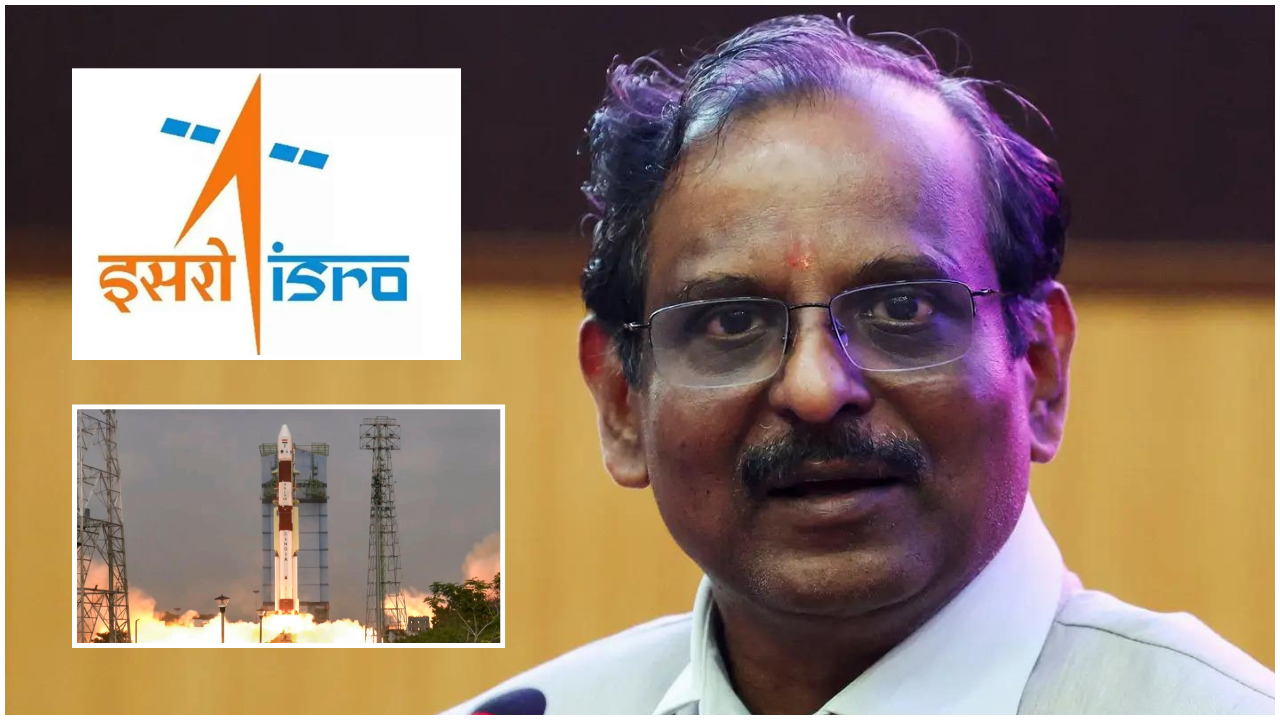
The Indian Space Research Organisation (Isro) is planning at least seven launches during the current financial year, with its next mission scheduled to take place within the next two months, Isro chairman V Narayanan said on Saturday.Speaking at a press conference after the successful maiden orbital launch of Skyroot Aerospace's Vikram-1 rocket, Narayanan said two satellites are already fully built, while another five to six are in the final stages of integration."This financial year, we have targeted at least seven launches.
We will start the launch within two months," he said, as per news agency PTI.The upcoming launch schedule will include the first uncrewed mission under India's Gaganyaan human spaceflight programme, besides several satellite launches.Skyroot's success marks milestone for India's private space sectorNarayanan described Skyroot Aerospace's successful Vikram-1 mission as a landmark achievement for India's private space industry, noting that it was the first time an Indian private rocket had successfully placed a satellite into orbit.Hailing the Hyderabad-based startup's young team, which has an average age of 28 years, he said achieving an orbital mission on the first attempt was a remarkable feat that would contribute significantly to the country's "Bharat 2047" vision."We are just like parents who get excited and proud to see children studying well and getting first rank," Narayanan later told PTI Videos, comparing Isro's pride in Skyroot's achievement to that of parents celebrating their children's success.Incidentally, Skyroot Aerospace's co-founders, Pawan Kumar Chandana and Naga Bharat Daka, are former Isro scientists.Narayanan credited the 2020 space sector reforms for enabling private participation in India's space programme and thanked Prime Minister Narendra Modi for supporting the initiative."This is the first successful attempt by an Indian private rocket to reach orbit.
First of all, I thank Prime Minister Narendra Modi," he said.He also acknowledged the role played by the Indian National Space Promotion and Authorisation Centre (IN-SPACe) in facilitating private participation.IN-SPACe chairman Pawan K Goenka said Vikram-1 had exceeded its mission objectives by not only clearing the launch tower but also successfully reaching a 453-km orbit and completing all planned tasks.From one startup to over 400Highlighting the rapid growth of India's private space ecosystem, Narayanan said the reforms introduced in 2020 had transformed the sector."In 2020, the space sector reform was brought, and the startup companies and private sector were allowed to carry out the activities in the space area.
Today, for the first time in the country, a private rocket successfully placed the satellite in orbit," he said, according to PTI.He added that when the reforms were introduced, India had only one space startup."Today, there are 400 startups," he said, adding that the milestone would generate economic growth and inspire scientific temperament among young people.Second launch complex to be operational this fiscalResponding to a question on whether India has adequate infrastructure to support increasing commercial launches, Narayanan said Isro's second launch complex at Kulasekarapattinam in Tamil Nadu is expected to be commissioned within the current financial year.He said Sriharikota has comprehensive launch capabilities, but using its large launch pads for smaller satellites weighing around 300-350 kg is not operationally efficient."Initial launches will go from here.
Then we are also building the second launch complex in Kulasekarapattinam. That is getting ready. Within this financial year, we are going to commission it," he said.Once operational, launches will be distributed between Sriharikota and Kulasekarapattinam depending on mission requirements and payload size, he added.Isro also moving to retain key scientistsThe announcement comes at a time when the department ofsSpace (DoS) has tightened rules governing resignations and voluntary retirement of scientists associated with major national missions, including Gaganyaan.The DoS recently issued an internal memorandum directing that resignation and voluntary retirement requests from scientists working on Gaganyaan and other critical projects should not be accepted routinely and must instead be referred to the department for a final decision.The move follows a series of departures from key Isro centres.
According to sources, around 100-120 scientists have resigned in recent months, including personnel associated with flagship missions.Narayanan acknowledged the departures but said the organisation was equipped to ensure that important national projects continue without disruption.