
James Watt: I want to buy back Brewdog
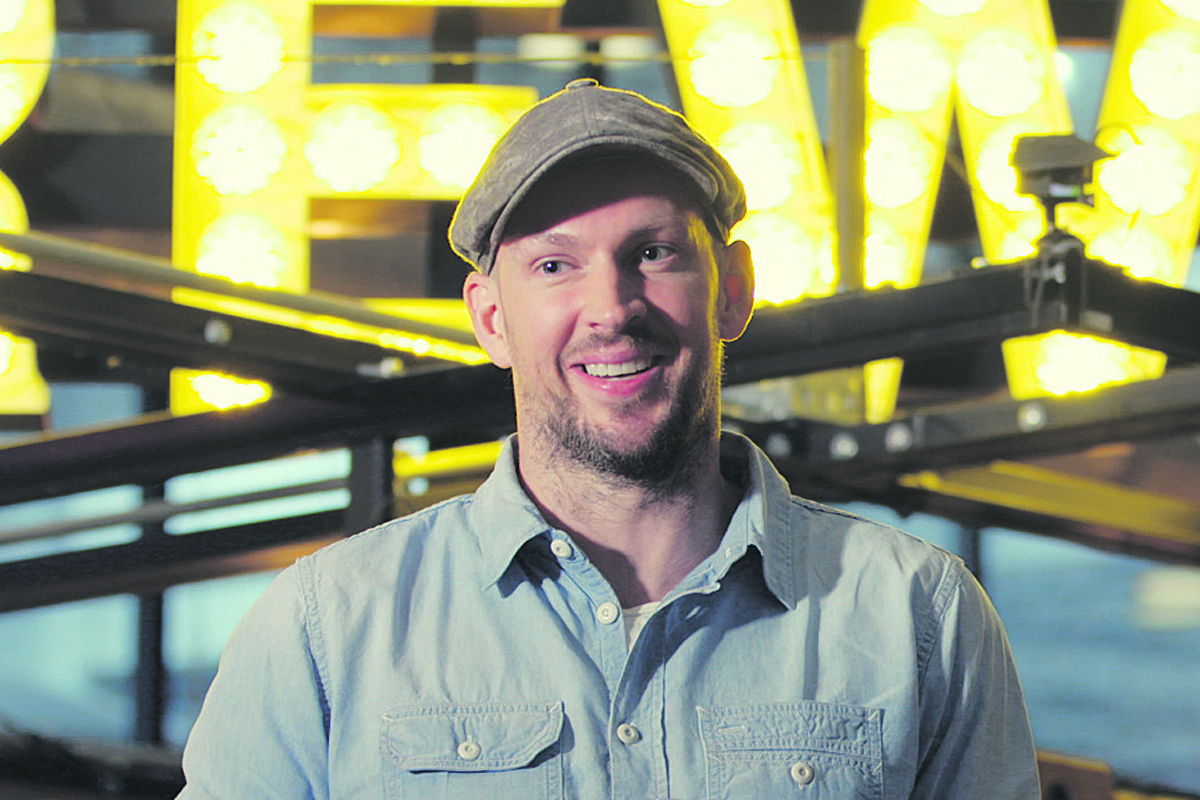
Brewdog founder James Watt has revealed he wants to buy back the craft beer firm he quit years ago, as he hit out at those who blame him for its collapse.
Watt recently launched a comeback designed to win over the “equity punks” who piled millions into his initial venture but saw no returns from its sale.
He said he hopes to use his Second Best project – which includes free stakes to those who invested in Brewdog’s investment scheme – to buy back the craft beer giant.
Watt wrote on LinkedIn on Monday: “If the opportunity ever does come around again in the future for me to buy Brewdog back, which I hope it does, then I would use the Second-Best company.”
Watt has also hit out at “ironic” claims that he was to blame for Brewdog’s collapse, insisting the business was growing “incredibly strongly” when he stepped away.
Brewdog’s stunning downfall from a £2bn beer giant was concluded earlier this year when the firm was snapped up for just £33m by US cannabis seller Tilray.
Recent sales figures – first published by The Grocer – have revealed that the beer firm has been in steady decline, with supermarket sales of its beers falling by more than £10m (22.5 per cent) year on year to May.
Brewdog’s share of total craft beer sales in the UK is now at 49 per cent, down from nearly 54 per cent a year ago.
Commenting on the sales data, Watt said: “It is ironic that I am often blamed for Brewdog’s subsequent decline in performance when, at the point I stepped down as [chief executive], the business was growing incredibly strongly, taking market share at record levels in grocery.
“Whatever criticisms can be levelled at me, the growth performance of the business during that period was outstanding.”
Watt – who stepped down at the start of 2024 – claimed that the beer firm outperformed its rivals by around 17 per cent every month in the two years up to his departure.
His departure from Brewdog came after allegations of a “culture of fear” and inappropriate behaviour at the business – claims he firmly denies.
The firm’s co-founder led the brand to its highest ever market share – 3.8 per cent – in the last year before he quit, he claimed on LinkedIn.
Brewdog’s sales figures suggest its decline has accelerated since it was bought in March, with value sales down nearly 12 per cent in the past year.
But the beer company, under new American ownership, claims it continues to be the “undisputed leader” of the craft beer industry.
Lauren Carrol, its chief commercial officer, said: “As a brand, we continue to have the highest customer loyalty base in our category by a wide margin, evidenced by the fact that both Punk IPA and Hazy Jane see significantly higher repeat rate purchases than our direct competitors.”
Carrol said the firm has launched one of its biggest-ever summer campaigns to coincide with the World Cup.
“Brewdog has still got its bark, make no mistake and the future is very bright,” she added.
Brewdog’s new owner declared last month it has plans to restore the beer brand to its former glory and notch a $1bn valuation.
The sale of the beer business saw it shut 38 locations in the UK and shed 484 workers.
Watt had reportedly been plotting a rescue bid for Brewdog before it was sold to Tilray, which would have included millions of his own money and backing from controversial private equity firm Modella Capital.
The co-founder said on Monday that he “narrowly” missed out on buying back Brewdog, claiming his offer would have “saved hundreds more jobs [and] kept more locations open”.