
Key California laws taking effect in July
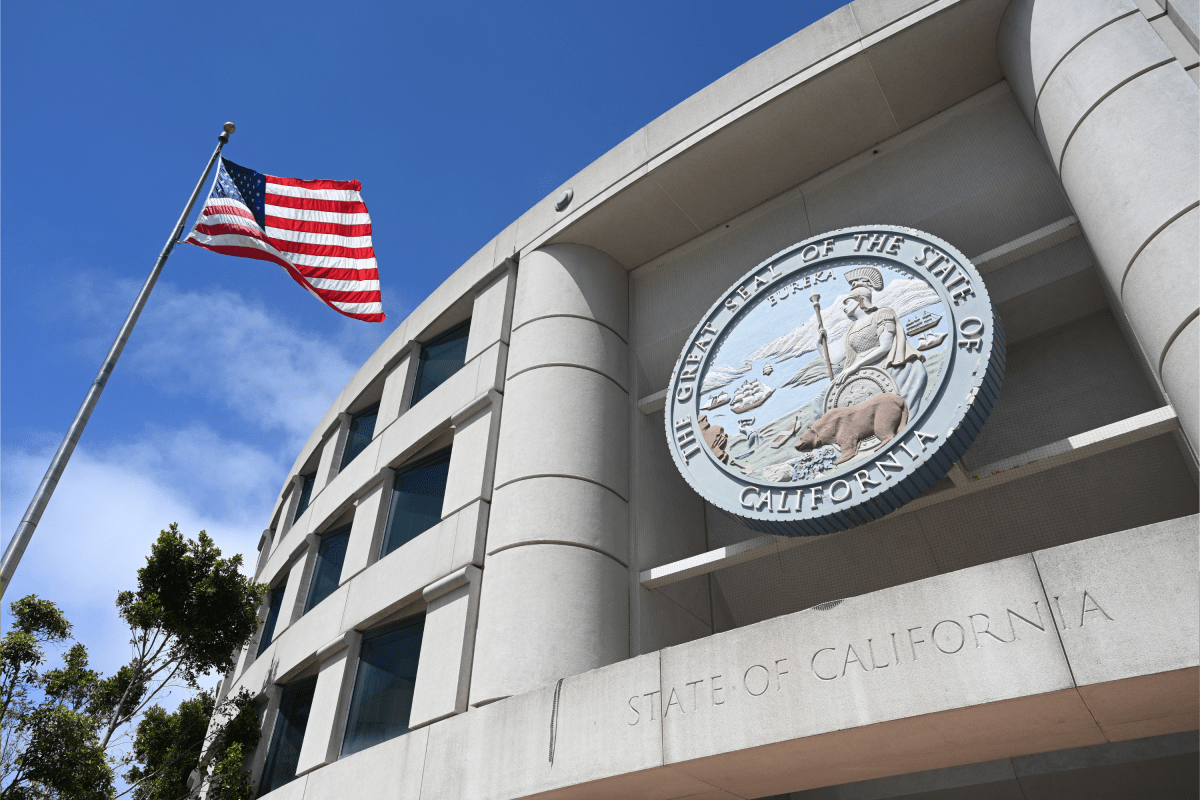
A sweeping package of new California laws taking effect July 1 will alter daily routines across the state, standardizing food labels, restricting classroom smartphone use, and tightening oversight on driverless cars.
The midyear legislative rollout serves as California’s second major annual implementation date following January 1. While the statutes apply statewide, many grant local school districts and municipal governments significant flexibility in how the mandates are introduced and enforced.
Food manufacturers will be forced to phase out a patchwork of confusing expiration dates under Assembly Bill 660. The law replaces "sell-by" language with just two standardized labels: "Best if Used By" to indicate peak quality, and "Use By" to signify food safety. The law was introduced to cut down on food waste caused by consumers misinterpreting labels that were originally intended for retailers. Signed into law by Governor Gavin Newsom, the measure is expected to save households money while reducing landfill waste.
Large chain restaurants must also provide greater transparency under Senate Bill 68, the Allergen Disclosure for Dining Experiences (ADDE) Act. The law requires major chains to clearly list prominent allergens, including sesame, on menus or digital ordering platforms. It was signed by Newsom in 2025 following advocacy from health groups and individuals with severe allergies.
Public schools serving grades 1 through 12 face an imminent deadline to curb digital distractions. The "Phone-Free Schools Act" (AB 3216) mandates that all school districts adopt policies limiting or outright banning smartphone use during the school day. Because local boards retain authority over enforcement, rules are expected to vary significantly by district. The law, signed by Newsom, is also set to address links between heavy phone use and student mental health issues.
Additionally, under SB 760, all California schools serving grades 1 through 12 must provide at least one gender-neutral restroom on campus, part of a legislative push to expand student inclusivity.
As driverless cars become increasingly common on streets, Senate Bill 1246 establishes stricter regulatory oversight for them. The law requires remote vehicle operators to be based within the United States and properly licensed. It also mandates that autonomous vehicle companies implement direct emergency communication capabilities and coordinate safety protocols with local first responders.
To address California’s chronic housing shortage, Senate Bill 79 will allow for denser residential development near public transit hubs. Introduced by Democrat state Senator Scott Wiener, the law eases the conversion of commercially zoned land into housing to promote sustainable urban density in high-demand areas.
Streaming viewers will receive relief from jarring audio spikes under Senate Bill 576. The law prohibits streaming services like Netflix and Hulu from airing commercials at a higher volume than the programs they accompany, extending long-standing federal television broadcast standards to digital platforms.
While the July 1 milestone brings a practical shift to California's regulatory landscape, the true impact of several measures will depend heavily on local execution, leaving residents to experience the rollout differently depending on their city or school district.
Contact Newsweek editors for this story: Tobias Meyjes and Anthony Murray.