
Map shows where Americans hold most housing wealth
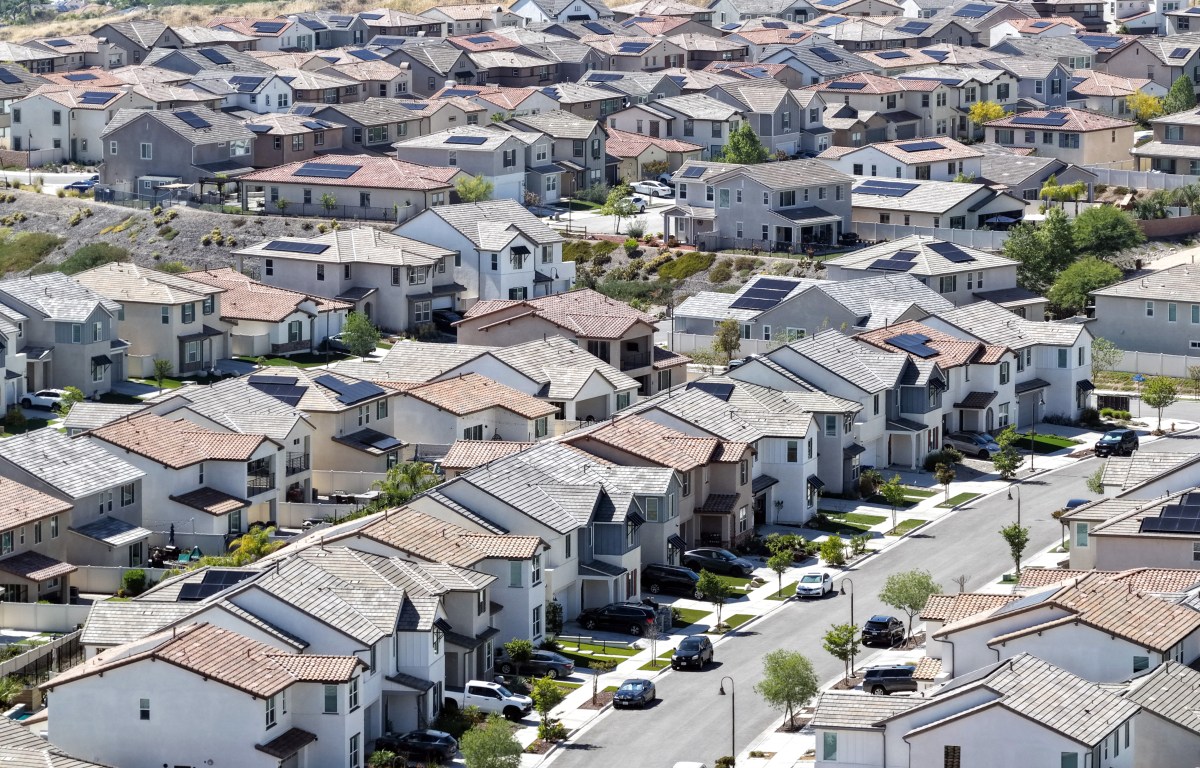
After years of skyrocketing home prices, U.S. homeowners are now sitting on a record $34.9 trillion in equity, according to a new study by LendingTree, with the biggest share of wealth concentrated in a handful of states.
Hawaii and California, historically among the most expensive housing markets in the nation, top the list of states with the highest reported home equity, based on an analysis of approximately 967,000 anonymized home equity inquiries made on the LendingTree platform between January 1. and March 31.
Researchers calculated the median reported home equity and the share of inquiries reporting at least $200,000 in home equity for each state.
Based on their estimates, home equity shoppers in Hawaii had the country’s highest median home equity at $425,000, with 80.5 percent reporting at least $200,000 in equity. California followed with median home equity of $350,000 and 76.8 percent of home shoppers reporting at least $200,000 in equity.
Massachusetts came third with a median home equity of $345,000, followed by Utah with $300,000 and New Jersey with $295,000.
The top five alone makes for an interesting combination of states in the coastal West, the Mountain West, and New England, but sees the South—a region where a flood of new home inventory has brought prices down since the pandemic—totally absent.
For many would-be buyers across the country, the spike in home prices that followed the pandemic homebuying frenzy, sparked by historically low borrowing costs, was disastrous.
As the national median single-family home prices rose by nearly one-half (48 percent) between 2019 and 2024, according to Harvard’s Joint Center for Housing Studies, at more than twice the rate twice the rate of median income, homeownership was pushed out of the reach of millions of homeowners.
But for those who already had a home, or managed to buy one early on in the pandemic, the recent rise in home values have been great to build equity, or the portion of their property’s value that they truly own outright, after any mortgage debt.
As of the first quarter of 2026, U.S. households owned $48.7 trillion in real estate assets and carried $13.8 trillion in mortgage debt, resulting in a total of $34.9 trillion in home equity, according to the Federal Reserve Board. But the levels of equity homeowners are holding right now varies significantly from state to state.
Home equity can be used by an owner to get a loan to fund major home improvements, consolidating high-interest debts, or paying for large planned expenses.
This would give homeowners who have seen their equity rise in recent years a massive advantage over non-homeowner households, but the amount available to tap through a home equity loan depends heavily on where you live, LendingTree found.
The average price per square foot for new homes has surged 74 percent over the past decade, from $97 in 2014 to $169 in 2024, but has not been uniform across the country.
In the West, prices per square foot more than doubled, rising 105 percent to reach $224 in 2024, compared to 63 percent growth in the Midwest, where prices reached $165.
“The enormous differences among states are a reminder that the home equity story can look very different depending on where you live,” LendingTree’s Chief Consumer Finance Analyst, Matt Schulz, said in a statement shared with Newsweek.
“For some homeowners, their house can provide a huge financial cushion. For others, there may be far less wiggle room,” he added.
“That’s why it’s important to look past the national headlines and focus on your own situation. Before borrowing against your home, make sure you know how much equity you have and what the loan will truly cost you. Most importantly, don’t borrow more than you need.”
Those who can are taking advantage of the equity they built over the past few years, according to the latest data.
U.S. homeowners tapped into an estimated $47 billion in equity during the first three months of 2026, according to the June 2026 ICE Mortgage Monitor from Intercontinental Exchange. It was the highest first-quarter withdrawal figure since 2021.
Contact Newsweek editor on this story: Edward Pearcey.