
Medicare and fall risk assessments: Coverage and procedure
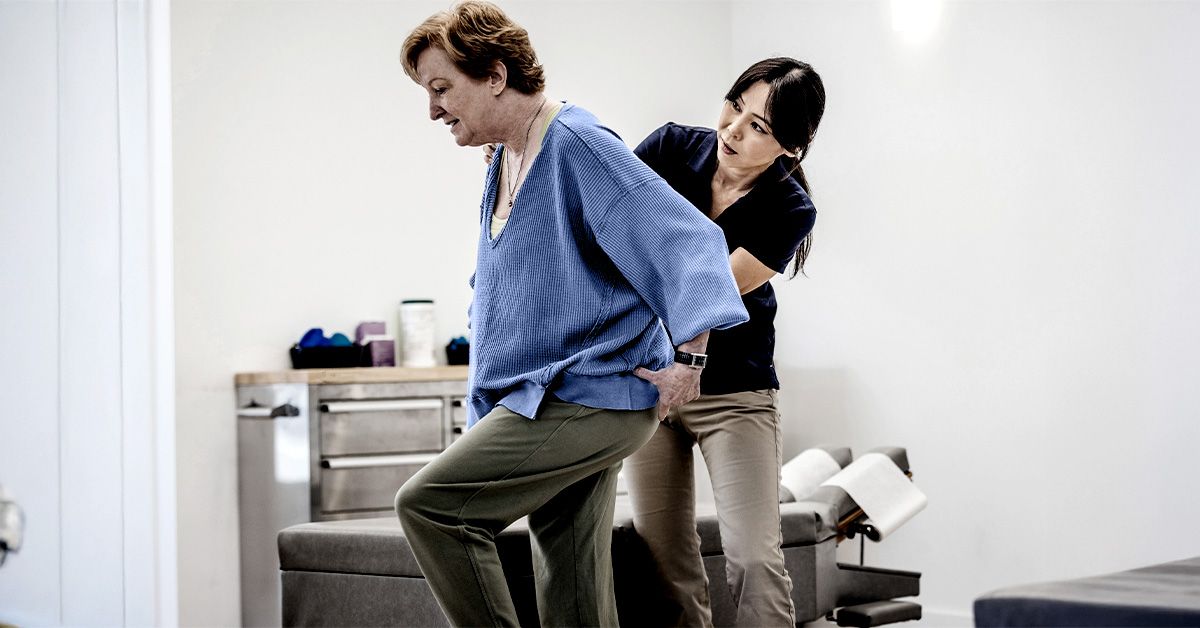
Individuals who have experienced a recent fall or are having difficulty with balance may receive a fall risk assessment from a healthcare professional. Medicare covers these assessments during preventive visits.
During a fall risk assessment, a healthcare professional evaluates a person’s health and environment to understand what factors may contribute to their fall risk.
According to the assessment results, healthcare professionals can create a care plan that attempts to minimize the most significant risk factors.
Why are fall assessments important? While a potentially benign event earlier in life, falls can have significant consequences for older adults.
The
Further, roughly 83% of deaths due to hip fractures and 88% of hospitalizations and ER visits for hip fractures resulted from falls.
Fall prevention is important for maintaining quality of life as an older adult. Medicare supports fall prevention by offering fall risk assessments as part of its free, routine wellness visits.
Falls can result from a range of
Certain factors related to aging can specifically increase fall risk for adults 65 years and older. These include:
However, not all potential causes relate to a person’s health. Environmental factors such as stairs, clutter in the home, and other obstacles may cause tripping.
When a person first enrolls in Medicare Part B, they are entitled to a free preventive health consultation called the Welcome to Medicare visit.
And each year under Part B, a person is entitled to a free annual wellness visit. These visits are not physical exams. Rather, they are opportunities for individuals to work with their healthcare professionals to create or modify their wellness plans based on changes to their health status.
A person may receive a fall risk assessment during either of these visits if a healthcare professional believes they are at risk. Possible indications include having experienced at least two falls during the previous year or one fall that resulted in injury.
If a doctor considers a fall risk assessment medically necessary, and a person receives it during a separate visit, Part B will cover it. However, standard costs will apply. After reaching the $257 deductible, a person will pay a coinsurance of 20% on the cost of the service.
If the assessment determines a person to have an elevated risk in one of these areas, a healthcare professional will work with them to create a care plan that addresses the issues.
Medicare includes fall risk assessment as part of its wellness visits free of charge for beneficiaries enrolled in Part B.
These assessments look at criteria such as a person’s health history, physical health, and environment to understand whether they have a higher risk of experiencing a fall. Healthcare professionals can act on the results of the assessment to reduce this likelihood.
This is important given the potentially significant consequences that injury from falling presents for older adults.