
Medicare's coverage of Taltz: What to know
Taltz is a brand-name prescription medication known as a biologic. Its active ingredient is ixekizumab.
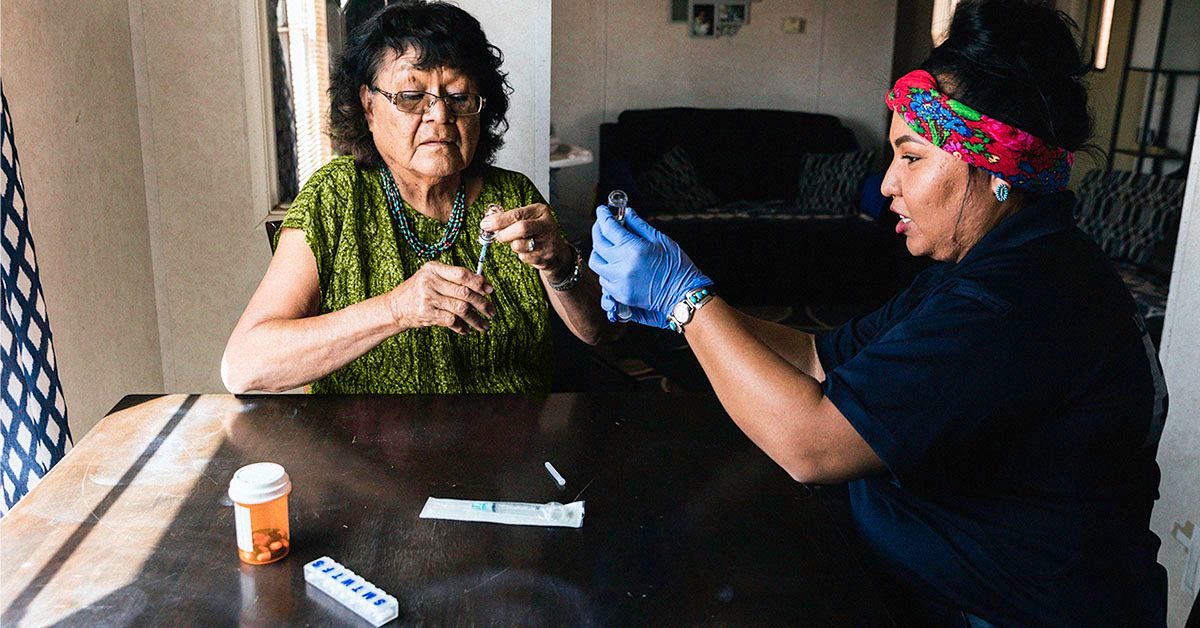
Taltz (ixekizumab) is a subcutaneous (below the skin) injection. A doctor or another healthcare professional may administer the first dose in their office and then teach a person how to inject it themselves at home.
Because of this, Medicare Part B may cover the first dose, but coverage for subsequent doses that individuals take at home will typically come from Part D prescription drug plans.
Private insurance companies administer Part D plans on Medicare’s behalf, so drug costs and availability can vary by plan type and plan provider.
The FDA has approved Taltz (ixekizumab) to treat moderate to severe plaque psoriasis, active psoriatic arthritis, ankylosing spondylitis, and spondyloarthritis.
If a person has any of these conditions, a doctor or another healthcare professional may prescribe Taltz (ixekizumab), and when medically necessary, Medicare may cover some or all of the costs.
If a person receives their first dose of Taltz (ixekizumab) in a doctor’s office and the doctor or another healthcare professional administers the medication, Part B may cover the cost.
This means that after they have paid their Part B deductible, they will be responsible for a 20% coinsurance toward the medication cost.
Not all Part D prescription drug plans have a deductible, but if a person’s plan does have one, they will join at this stage.
Once they have paid the plan’s deductible in full, it will begin paying its share of eligible costs.
During this stage, a person will pay a 25% coinsurance toward the cost of Taltz (ixekizumab).
In 2025, individuals will continue paying the 25% coinsurance until they have paid a total out-of-pocket maximum of $2,000. In 2026, this will increase to $2,100.
Once a person has paid the out-of-pocket maximum, they will pay nothing further for their prescription medications for the remaining calendar year.
Individuals will receive an explanation of benefits (EOB) the month after their pharmacy bills their plan provider. The EOB will detail the following:
Taltz (ixekizumab) treats psoriasis, psoriatic arthritis, ankylosing spondylitis, and spondyloarthritis. These are all autoimmune conditions that cause a person’s immune system to mistakenly attack healthy cells.
Taltz contains ixekizumab, a monoclonal antibody that works by attaching to an immune system protein called interleukin-17A.
This protein causes a person’s immune system to attack cells in the skin and joints. By attaching to this protein, Taltz (ixekizumab) blocks the protein’s action, stopping it from causing the immune system to attack skin and joint cells.
Biologics do not have the same generic versions as chemical medications.
Generic versions of biologic medications are called biosimilars. Due to complex manufacturing processes, biosimilar medications are very similar to the original biologic version, but they’re not identical.
There is currently no biosimilar version of this medication, so only the brand-name version is available.